

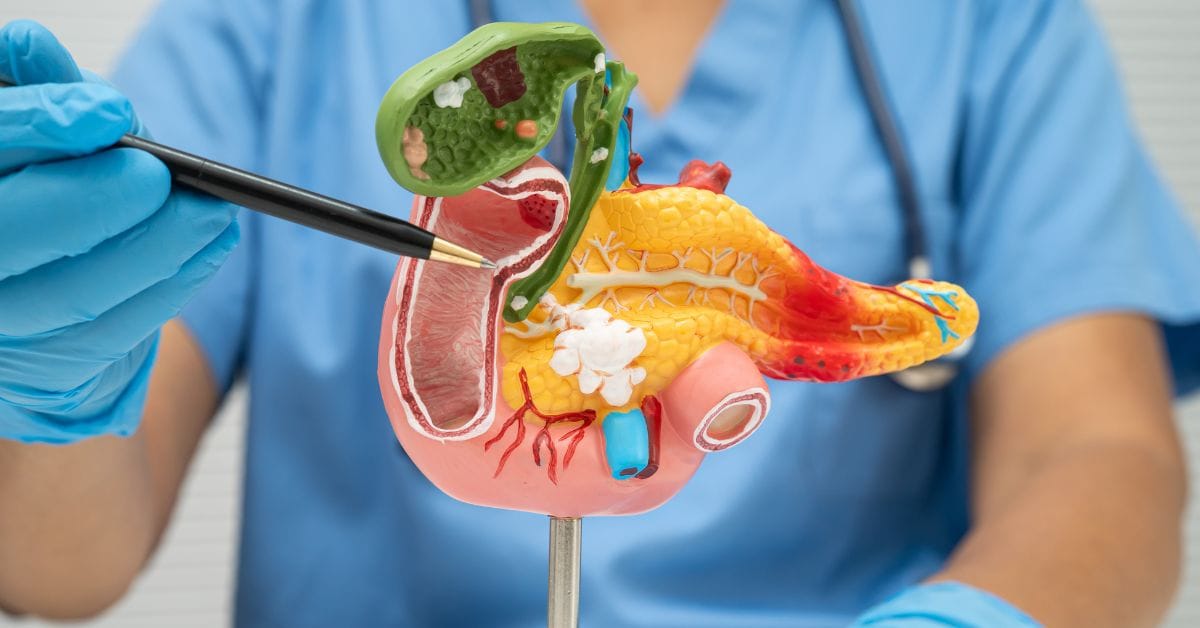
When a patient receives a diagnosis involving a pancreatic tumour, cyst, or chronic inflammation, the prospect of major surgery can be daunting. Traditionally, pancreatic operations required large abdominal incisions and lengthy recovery periods. However, advancements in surgical technology have made laparoscopic pancreatic surgery a viable and often preferred option for many patients in Singapore and the region.
This minimally invasive approach, often referred to as “keyhole surgery,” allows surgeons to perform complex manoeuvres through several small incisions. In this article, we explore the various types of pancreatic procedures, the associated costs and what patients should expect during the surgical journey.
Back to main channel: Pancreatic Surgery
Schedule a consultation with a specialist
What is Laparoscopic Pancreatic Surgery?
Laparoscopic pancreatic surgery is a modern surgical technique where the surgeon accesses the pancreas using a laparoscope—a thin tube equipped with a high-definition camera—and specialised surgical instruments.
Unlike open surgery, which requires a single large incision, this method uses four to five small incisions, each usually less than one centimetre in length. The camera provides a magnified, three-dimensional view of the internal organs, allowing for high precision when dissecting delicate tissues and blood vessels around the pancreas.
The Benefits of a Minimally Invasive Approach
- Reduced Post-Operative Pain: Smaller incisions result in significantly less trauma to the abdominal wall.
- Shorter Hospital Stay: Many patients are able to return home sooner than those undergoing open surgery.
- Faster Recovery: Patients generally resume their daily activities and work much quicker.
- Lower Risk of Wound Infection: Smaller wounds are less susceptible to complications.
- Minimal Scarring: The aesthetic outcome is improved as the small marks fade over time.
Common Types of Laparoscopic Pancreatic Procedures
The pancreas is a complex organ situated deep in the abdomen, responsible for digestion and blood sugar regulation. Depending on the location and nature of the condition, different surgical approaches are required.
1. Laparoscopic Distal Pancreatectomy
This procedure is performed when a tumour or cyst is located in the “body” or “tail” of the pancreas (the sections furthest from the small intestine). In many cases, the surgeon may also need to remove the spleen if the condition involves nearby blood vessels.
2. Laparoscopic Enucleation
For small, benign, or low-grade tumours that are near the surface of the pancreas, an enucleation may be possible. This involves “shelling out” the tumour while preserving the rest of the healthy pancreatic tissue.
3. Laparoscopic Pancreaticoduodenectomy (Whipple Procedure)
The Whipple procedure is one of the most complex abdominal surgeries. It is used to treat tumours in the “head” of the pancreas. While traditionally done as an open surgery, highly skilled specialists in Singapore now offer laparoscopic or robotic-assisted Whipple procedures for suitable candidates.
4. Laparoscopic Drainage of Pseudocysts
Pancreatic pseudocysts are fluid-filled sacs that can develop after a bout of pancreatitis. If these do not resolve on their own, a laparoscopic procedure is used to create an internal drainage path into the stomach or intestine.
When is this Surgery Recommended?
A specialist will recommend laparoscopic pancreatic surgery based on the diagnosis, the size of the lesion, and the overall health of the patient. Common indications include:
- Pancreatic Cysts: Specifically those with a high risk of becoming cancerous (e.g., Mucinous Cystic Neoplasms).
- Neuroendocrine Tumours: Slow-growing tumours that arise from hormone-producing cells.
- Early-stage Pancreatic Cancer: If the tumour is localised and has not spread to major blood vessels.
- Chronic Pancreatitis: To alleviate severe pain or manage complications like pseudocysts.
The Surgical Procedure and Recovery
Before the Procedure
Patients undergo a comprehensive evaluation, including blood tests and imaging such as Computed Tomography (CT) or Magnetic Resonance Imaging (MRI). In Singapore, patients are usually admitted on the day of surgery and must fast for at least six to eight hours.
During the Procedure
The surgery is performed under general anaesthesia. The abdomen is inflated with carbon dioxide gas to create space for the surgeon to work. Using the laparoscope, the surgeon identifies the pathology and performs the resection. Once complete, the small incisions are closed with sutures or surgical glue.
Recovery in Singapore
Most patients stay in the hospital for three to seven days, depending on the complexity of the operation. In the Singapore healthcare system, a multidisciplinary team—including physiotherapists and dietitians—works together to ensure the patient regains mobility and transitions back to a normal diet.
Cost of Laparoscopic Pancreatic Surgery in Singapore
The cost of surgery is a significant consideration for many families. In Singapore, the total bill depends on the complexity of the surgery, the choice of hospital (Public vs. Private), and the duration of the stay.
According to the Ministry of Health (MOH) fee benchmarks, the estimated surgeon’s professional fees (excluding GST and hospital charges) are as follows:
| Procedure Type | Estimated Surgeon’s Fees (SGD) |
| Laparoscopic Distal Pancreatectomy | $12,000 – $18,000 |
| Laparoscopic Enucleation | $5,500 – $11,200 |
| Laparoscopic Whipple Procedure | $22,400 – $33,600 |
| Laparoscopic Drainage of Pseudocysts | $7,300 – $11,200 |
Financial Planning and Insurance
It is important to note that these figures represent only the surgeon’s fees. Total hospital bills will include anaesthesia fees, operating theatre charges, diagnostic tests, and ward charges.
- Medisave: All these procedures are Medisave-claimable within the prevailing limits set by the CPF Board.
- Integrated Shield Plans: If you have a private Integrated Shield Plan and a “rider,” a large portion of the private hospital costs may be covered.
- Corporate Insurance: Patients should check with their Human Resources department regarding coverage for specialist consultations and inpatient surgery.
Specialists You May Consider
Selecting a surgeon with specific expertise in hepatobiliary (liver, pancreas, and bile duct) surgery is essential for the best outcomes. Below are specialists in Singapore you may consider:



Dr Thng Yongxian

Dr Ravishankar K. Diddapur
Clin Assoc Prof Kam Juinn Huar
Clin Asst Prof Yeung Po Man Baldwin
Dr Chua Weiquan Darren
Dr Alvin Tan Yong Hui
Datuk Dr Harjit Singh
Dr Winston Woon Wei Liang

[SG] Featured Doctor

Featured Story
For inquiries or for an introduction to a specialist, contact us below.
Frequently Asked Questions (FAQs)
Is laparoscopic pancreatic surgery as effective as open surgery for cancer?
Yes, clinical studies show that for suitable candidates, the oncological outcomes (cancer clearance) of laparoscopic surgery are comparable to open surgery, with the added benefit of a faster recovery.
How long does the operation take?
The duration varies greatly. A distal pancreatectomy may take three to four hours, while a complex laparoscopic Whipple procedure can take six to eight hours or more.
Are there risks specific to pancreatic surgery?
The primary risk is a “pancreatic leak,” where digestive enzymes leak from the surgical site. Surgeons manage this by placing temporary drains during the procedure to monitor the area.
When can I return to work after keyhole surgery?
Most patients can return to sedentary desk work within two to four weeks. Strenuous activity and heavy lifting should be avoided for at least six weeks to allow the internal tissues to heal.
Can I use my Integrated Shield Plan for this surgery?
Yes, as long as the surgery is medically necessary, it is covered by Integrated Shield Plans. It is recommended to obtain a “Letter of Guarantee” from your insurer prior to admission to simplify the billing process.