

Home Fertility – Learn About IVF, Egg Freezing, And More.
Fertility - Learn About IVF, Egg Freezing, And More.
Fertility refers to the natural capability to conceive a child. Infertility is clinically defined as the inability to achieve a pregnancy after 12 months or more of regular, unprotected sexual intercourse. Across various healthcare settings, reproductive medicine encompasses a broad range of diagnostic procedures, lifestyle modifications, and assisted reproductive technologies (ART) designed to address both female and male factor subfertility. Early consultation with a specialist can help identify underlying causes—such as ovulatory disorders, tubal occlusion, endometriosis, or sperm abnormalities—and guide couples towards appropriate management plans.
Editor's Picks
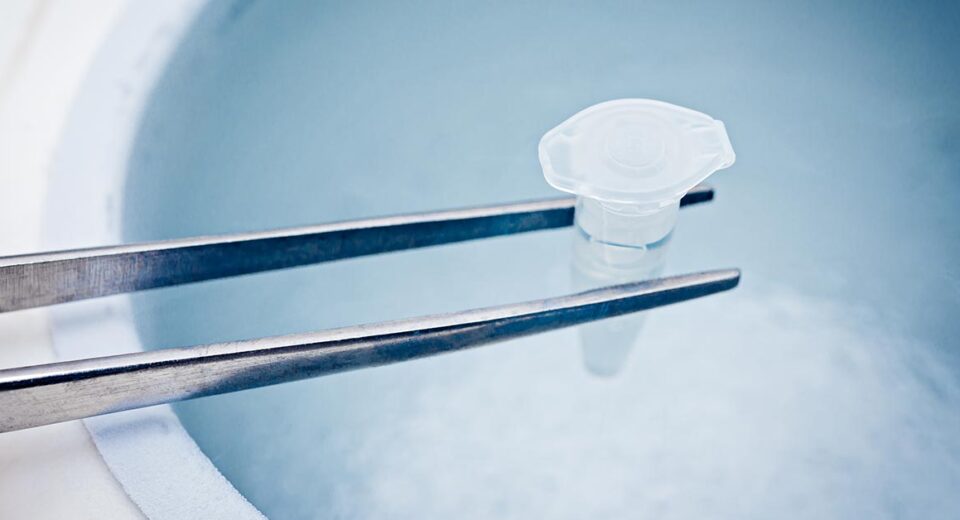

Your Complete Guide to Egg Freezing And Fertility Preservation
- August 18, 2025
- 1125 Views
- Reading Time: 4 minutes

IVF Treatment: Should You Do It In Singapore Or Malaysia?
- July 9, 2025
- 1754 Views
- Reading Time: 3 minutes
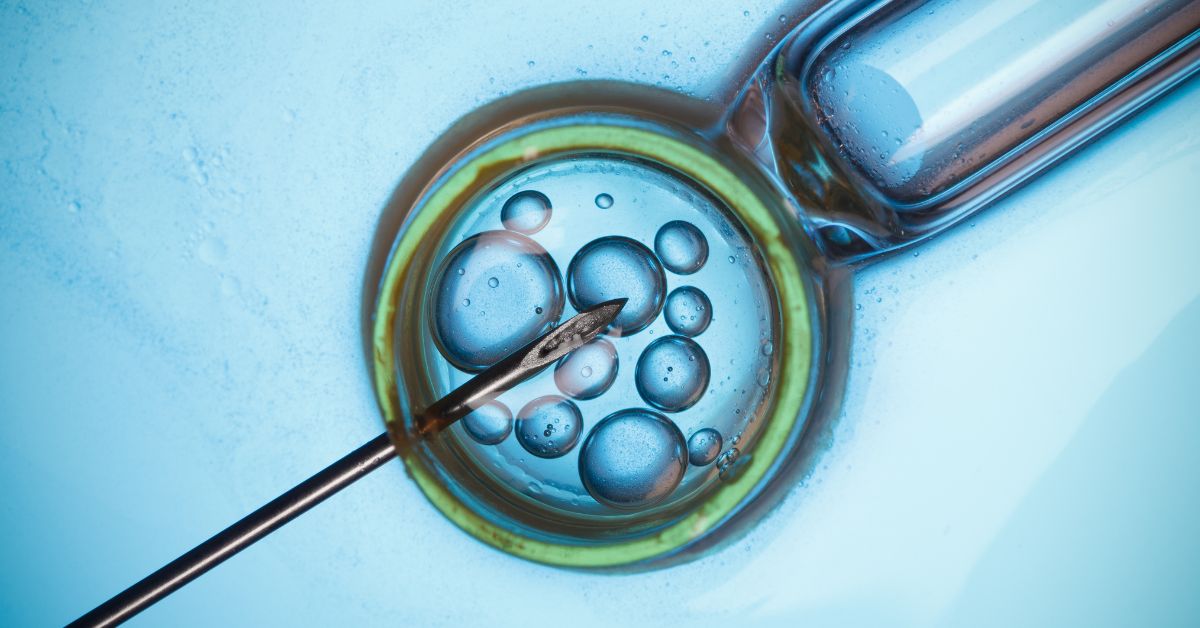
IVF Cost Comparison: Singapore Vs. Malaysia
- July 3, 2025
- 1551 Views
- Reading Time: 3 minutes
Find by 365Asia
Find A Doctor
If you are looking for a doctor for fertility assessment and reproductive care, here are Preferred Doctors you can consider:
- Dr Chun-Kai Chen is a Taiwanese fertility and reproductive medicine specialist and Chief Director of Hope Fertility & PGT Center in Taipei, Taiwan. He specialises in IVF, infertility treatment, fertility preservation, and Preimplantation Genetic Testing (PGT). He also serves as an adjunct attending physician at National Taiwan University Hospital.

Powered by Find by 365Asia



[SG] Featured Doctor
Dr Bryan Wang - Orthopaedic Specialist In Singapore

Featured Story
Treatments For Elbow Pain
Find A Hospital or Medical Centre
Financials
Subsidies, Insurance & Financial Planning for Fertility Treatments
Financial options and government subsidies for assisted conception vary according to local healthcare frameworks and national health policies across different territories.
- National Schemes & Co-Funding: Selected healthcare jurisdictions offer co-funding schemes or allow specific medical savings withdrawals (such as approved healthcare accounts) to offset out-of-pocket expenses for ART procedures like IVF and IUI.
- Outpatient Coverage & Diagnostic Testing: Initial fertility assessments—including hormonal blood panels, pelvic ultrasound scans, and semen analyses—may be eligible for partial coverage through corporate insurance plans or local public polyclinic referrals.
- Out-of-Pocket Considerations: Elective procedures, such as non-medical egg freezing or specialised genetic testing, are generally self-funded. Patients are advised to consult clinic financial counsellors to understand transparent fee structures, medication costs, and lab fees.
Check with local health authorities or your insurance provider regarding the latest reimbursement policies and scheme limits for fertility services.
Screen & Protect Your Reproductive Health – Evaluate Factors Early
Reproductive health conditions often develop without obvious symptoms. Whether you require a routine fertility screening or wish to consult a specialist regarding your family planning options, taking a proactive approach allows for informed decision-making.
FAQs
What are the common causes of infertility?
Infertility can result from female factor causes, male factor causes, or a combination of both. In approximately 15% to 20% of cases, the underlying cause remains unexplained.
Common female factors include ovulatory disorders (such as polycystic ovary syndrome), structural blockages in the fallopian tubes, endometriosis, and age-related declines in egg quantity and quality. Male factors frequently involve reduced sperm count, impaired sperm motility, abnormal sperm morphology, or structural obstructions preventing normal sperm delivery.
What is In Vitro Fertilisation (IVF) and how does the process work?
In Vitro Fertilisation (IVF) is an assisted reproductive procedure where eggs are retrieved from the ovaries and fertilised by sperm in a laboratory set-up. The key stages typically include:
- Ovarian Stimulation: Hormonal medications are administered to stimulate the ovaries to produce multiple mature eggs.
- Egg Retrieval: Eggs are collected via a minor, ultrasound-guided transvaginal procedure under sedation.
- Fertilisation & Culture: Eggs are combined with prepared sperm in the laboratory and monitored as they develop into embryos.
- Embryo Transfer: One or more selected embryos are gently placed into the uterus to establish a pregnancy. Remaining viable embryos may be cryopreserved.
What is Egg Freezing (Oocyte Cryopreservation), and who should consider it?
Egg Freezing, or oocyte cryopreservation, is a technique used to preserve a woman’s reproductive potential. The process involves ovarian stimulation and egg retrieval, followed by flash-freezing (vitrification) of unfertilised eggs for storage.
It may be considered for medical reasons (such as prior to undergoing chemotherapy or radiotherapy that could impact fertility) or for social/elective reasons to preserve eggs at a younger age when egg quality and quantity are statistically higher. Regulatory frameworks and age limits for social egg freezing vary depending on the jurisdiction.
What lifestyle changes can help support fertility in men and women?
Adopting general health-promoting habits can support overall reproductive wellness:
- Maintain a balanced diet: Consume whole grains, lean proteins, vegetables, and healthy fats while limiting processed foods and refined sugars.
- Manage body weight: Maintaining a healthy body mass index (BMI) supports hormonal balance and regular ovulatory cycles.
- Limit alcohol and avoid smoking: Tobacco use and excess alcohol consumption negatively affect both egg quality and sperm parameters.
- Manage stress levels: Chronic stress can disrupt endocrine function; moderate exercise, adequate sleep, and mindfulness practices can support general well-being.
What initial diagnostic tests are performed during a fertility assessment?
A standard fertility evaluation for a couple typically involves tests for both partners:
- For Women: Pelvic ultrasound scan (to assess the uterus and ovarian reserve), hormonal blood tests (including Anti-Müllerian Hormone or AMH, FSH, LH, and thyroid function), and tubal patency tests (such as a hysterosalpingogram or HSG).
- For Men: Semen analysis to evaluate sperm volume, count, motility (movement), and morphology (structure).
Additional Resources
- Marriage and Parenthood Schemes | Ministry of Health Singapore. Available from: https://www.moh.gov.sg/managing-expenses/schemes-and-subsidies/marriage-and-parenthood-schemes/
- Medically Asissted Reproduction
Malaysian Medical Council. Available from: https://mmc.gov.my/wp-content/uploads/2025/09/Medically-Assisted-Reproduction.pdf