








Anal Fistula Treatment

Regain Comfort with Effective Treatment Options

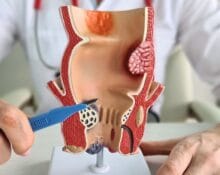
An anal fistula is a small tunnel that develops between the end of the bowel and the skin near the anus. It is usually the result of a previous infection or an abscess that has not healed properly. This condition can cause persistent discomfort, discharge, and recurrent infections, making everyday activities difficult. Because anal fistulas rarely heal on their own, professional medical intervention is necessary to resolve the issue and prevent complications.

Why You Should Consider Anal Fistula Treatment

If left untreated, an anal fistula can lead to recurrent abscesses, chronic pain, and a higher risk of systemic infection. Timely treatment is essential to close the tract and protect the function of the anal sphincter muscles. Modern surgical techniques aim to treat the fistula effectively while minimising the risk of bowel incontinence. Addressing the condition early ensures a smoother recovery and reduces the likelihood of developing more complex, multi-branched fistula tracts.

Treatment Options for Anal Fistula

The choice of treatment depends on the complexity and location of the fistula, as well as the need to preserve anal sphincter function. Your specialist will recommend the most suitable approach.

  • Surgical Treatment (Fistulotomy / Seton Placement) – Standard treatment to open or drain the fistula tract, allowing it to heal safely.
  • LIFT Procedure (Ligation of Intersphincteric Fistula Tract)  A sphincter-preserving technique that closes the internal opening and removes the infected tract.
  • Laser Treatment (FiLaC – Fistula Laser Closure)  A minimally invasive method using laser energy to seal the fistula tract from within.
  • VAAFT (Video-Assisted Anal Fistula Treatment)  An endoscopic technique that allows precise identification and treatment of the fistula tract.

Hospitals & Medical Centres

365Find

Find A Doctor

Are you experiencing persistent pain, swelling, or unusual discharge? Speak to a General Surgeon or a Colorectal Specialist today. A specialist can perform a thorough clinical examination and, if required, imaging tests such as ultrasound or MRI scans to map the fistula tract.

Loading...
Powered by Find by 365Asia

Dr Daniel Lee

Singapore, Singapore
General Surgery, General Surgery (Colorectal)

[SG] Featured Doctor

Dr Bryan Wang - Orthopaedic Specialist In Singapore

Featured Story

Treatments For Elbow Pain

Book an appointment for anal fistula treatment or to consult a Specialist.

Featured Financial Advisers

Loading...
Powered by Find by 365Asia

Koh Hui Ling

Singapore, Singapore

Melissa Mok

Singapore, Singapore

[SG] Featured Doctor

Dr Bryan Wang - Orthopaedic Specialist In Singapore

Featured Story

Treatments For Elbow Pain

FAQs

Common symptoms include recurrent skin irritation around the anus, a throbbing pain that may worsen when sitting or moving, and the discharge of pus or blood. Some individuals may also experience swelling and fever if an abscess is present.

In most cases, a procedure is required to treat an anal fistula effectively, as it does not typically heal on its own. While conventional surgery is the standard approach, there are also minimally invasive options such as laser therapy (FiLaC) and VAAFT. Your specialist will recommend the most appropriate treatment based on the complexity of the fistula, with the goal of achieving complete healing while preserving sphincter function.

Recovery time varies depending on the complexity of the fistula and the surgical technique used. Most patients can return to light activities within one to two weeks. Complete healing of the wound may take several weeks, during which your surgeon will provide specific instructions on hygiene and wound care.

While modern surgical techniques have high success rates, there is a small possibility of recurrence. Following all post-operative care instructions and attending follow-up appointments are crucial to monitor the healing process and reduce this risk.

Anal fistula surgery is considered a medical necessity rather than a cosmetic procedure. Most Integrated Shield Plans, along with MediSave, can be used to cover a portion of the surgical costs in Singapore. It is advisable to check with your insurance provider or the hospital’s financial counselling department for specific coverage details.