



Piles Treatment
Regain Comfort and Confidence
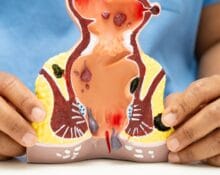
Piles treatment, also known as haemorrhoid treatment, addresses swollen veins in the lower rectum and anus that can cause pain, bleeding, and discomfort. Treatment options range from lifestyle modifications and medications to minimally invasive procedures and surgery, depending on the severity of the condition. Early intervention can relieve symptoms and prevent complications, ensuring a better quality of life.
Laser Treatment for Piles: Modern Solutions for Fast Relief in Singapore
- December 23, 2025
- 4964 Views
- Reading Time: 4 minutes
Piles Treatment Singapore: Effective Solutions from Laser to Surgery
- December 23, 2025
- 4911 Views
- Reading Time: 5 minutes
Piles Treatment Without Surgery: Non‑Surgical Options in Singapore
- December 23, 2025
- 5045 Views
- Reading Time: 5 minutes
Why You Should Consider Piles Treatment?
Piles can significantly affect daily activities, causing discomfort while sitting, pain during bowel movements, and occasional bleeding. While mild cases may improve with dietary and lifestyle changes, persistent or severe piles require medical intervention. Seeking timely treatment can reduce pain, prevent complications such as thrombosis or prolapse, and restore comfort and confidence.
Hospitals & Medical Centres
Find A Doctor
Thinking about piles treatment? Speak to a Colorectal Surgeon, Gastroenterologist, or General Surgeon today. They can assess the severity of your condition, recommend suitable treatments, and guide you on the most effective options – whether conservative management, minimally invasive procedures, or surgical intervention. Expert advice ensures you make informed decisions and achieve the best outcomes.

[SG] Featured Doctor
Featured Story
View more colorectal surgeons and gastroenterologists on 365Find.
Book an appointment for Piles Treatment or to consult a Specialist. Contact us via the button below.
Featured Financial Advisers

[SG] Featured Doctor
Featured Story
FAQs
Common symptoms include pain, itching, swelling around the anus, bleeding during bowel movements, and feeling a lump near the anus.
Mild piles may improve with lifestyle changes, including increased fibre intake, hydration, and avoiding prolonged sitting. Persistent or severe piles usually require medical treatment.
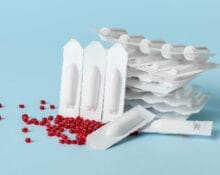
Treatment ranges from dietary and lifestyle modifications, topical medications, rubber band ligation, sclerotherapy, and laser therapy, to surgical procedures such as haemorrhoidectomy for severe cases.
Modern surgical techniques aim to minimise pain and discomfort. Post-procedure pain can be managed with medication and proper care. Your specialist will guide you on the best approach.
Maintaining a high-fibre diet, drinking plenty of water, exercising regularly, and avoiding straining during bowel movements are effective preventive measures.