Elbow Pain Treatment
Restore Strength, Reduce Stiffness, Improve Daily Function
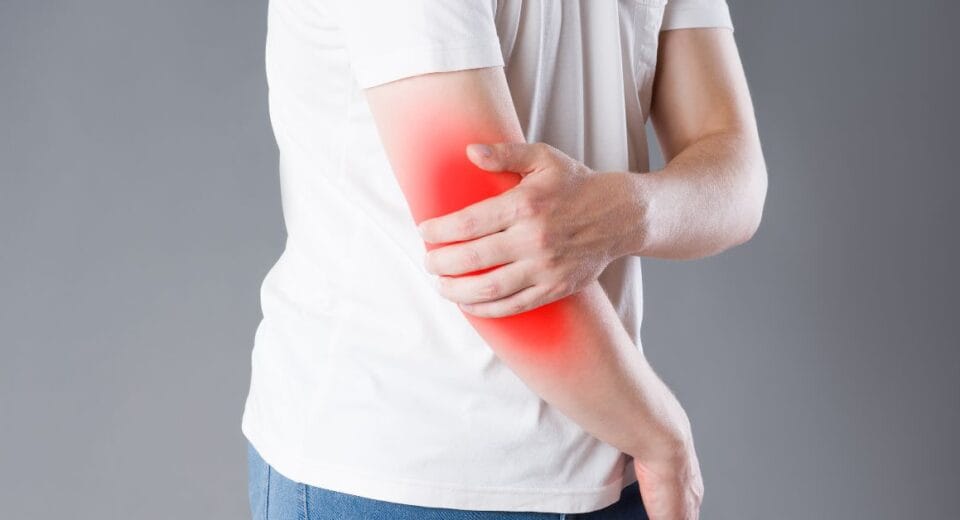
Elbow pain is a common condition that can significantly affect daily activities, work performance, and overall quality of life. It can develop gradually due to repetitive strain from desk work or gym routines, or appear suddenly after a sports injury. Elbow pain treatment focuses on identifying the underlying cause of discomfort and providing targeted care to relieve pain, restore mobility, and prevent long-term complications.
The elbow is a complex joint made up of bones, cartilage, ligaments, and tendons that control intricate forearm and hand movements. Conditions such as tennis elbow, golfer’s elbow, cubital tunnel syndrome, bursitis, arthritis, and nerve-related issues can all lead to persistent elbow pain. Early assessment and appropriate treatment play a crucial role in achieving better recovery outcomes.
Elbow Arthroscopy Cost: Singapore Vs Malaysia
- July 10, 2026
- 5120 Views
- Reading Time: 4 minutes
Top 10 Orthopaedic Specialists In Singapore For Elbow And Shoulder Arthroscopy: 365Asia List
- July 10, 2026
- 1180 Views
- Reading Time: 5 minutes
Elbow Arthroscopy Singapore: What It Is and When You Need It
- July 10, 2026
- 51 Views
- Reading Time: 5 minutes
Why You Should Consider Elbow Pain Treatment
Ignoring elbow pain can lead to worsening symptoms, reduced grip strength, and long-term joint damage. Many people delay treatment, hoping the pain will resolve on its own, but untreated elbow conditions may become chronic and more difficult to manage.
Seeking professional elbow pain treatment can help identify the root cause of the pain, whether it is due to overuse, sports injury, repetitive strain, or degenerative changes. Timely treatment may reduce inflammation, improve forearm strength and flexibility, and lower the risk of permanent stiffness or weakness. It also supports a faster return to normal activities, including work, exercise, and daily tasks.
Hospitals & Medical Centres
Find A Doctor
If you are experiencing ongoing shoulder pain, it is advisable to consult an Orthopaedic Specialist. These specialists are trained to diagnose elbow conditions through clinical assessment and imaging where necessary, and to recommend personalised treatment plans.

[SG] Featured Doctor
Featured Story
View more orthopaedic surgeons or sports medicine specialists on 365Find.
Book an appointment for shoulder pain treatment or to consult a specialist. Contact us via the button below.
Featured Financial Advisers

[SG] Featured Doctor
Featured Story
FAQs
What are the common causes of elbow pain?
Elbow pain can be caused by tennis elbow (lateral epicondylitis), golfer’s elbow (medial epicondylitis), cubital tunnel syndrome (nerve compression), bursitis, arthritis, or acute trauma such as fractures and dislocations. Repetitive forearm movements and heavy lifting are also major contributors.
When should I see a doctor for elbow pain?
You should seek medical attention if elbow pain persists for more than a few days, worsens over time, limits your ability to grip or lift objects, affects sleep, or is accompanied by visible swelling, numbness, or tingling in the fingers.
Can elbow pain be treated without surgery?
Yes, many elbow conditions can be successfully managed with non-surgical treatments such as targeted physiotherapy, pain relief medication, activity modification, shockwave therapy, and ultrasound-guided injections. Surgery is usually considered only when conservative treatment does not provide relief.
What is elbow arthroscopy and when is it used?
Elbow arthroscopy is a minimally invasive “keyhole” procedure. Through tiny incisions, an upper limb specialist inserts a miniature camera to inspect, diagnose, and treat joint issues, such as removing loose bone fragments, clearing inflamed tissue, or treating severe, stubborn tennis elbow.
How long does it take to recover from elbow pain?
Recovery time varies depending on the cause and severity of the condition. Mild elbow strain or overuse injuries may improve within weeks through rest and physiotherapy, while chronic tendon issues or recovery from arthroscopic surgery may take several months of structured rehabilitation.