













Pancreatic Surgery

Expert Care for Complex Pancreatic Conditions

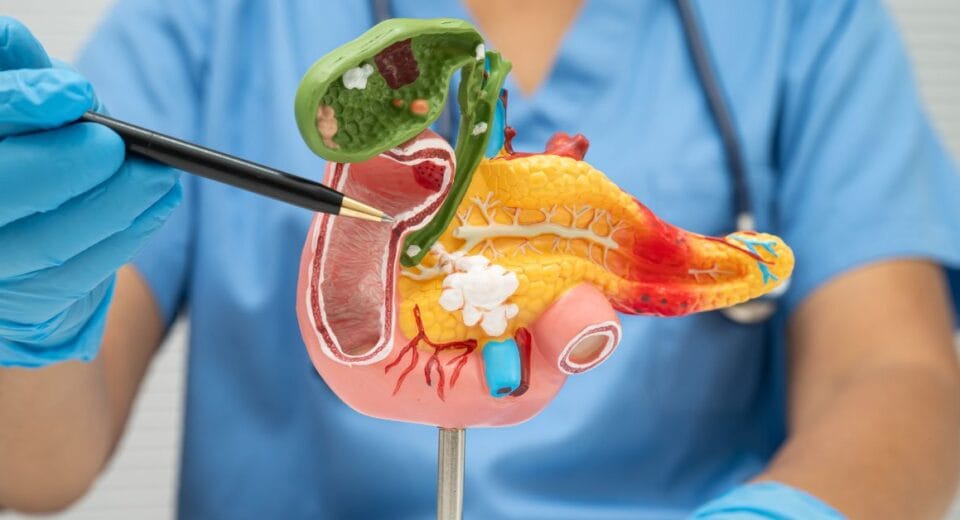
Pancreatic surgery involves a range of procedures to treat various conditions affecting the pancreas, a vital organ responsible for digestion and blood sugar regulation. These surgical interventions are often necessary to manage benign tumours, chronic inflammation, or malignant growths. Given the anatomical complexity of the pancreas and its proximity to major blood vessels, such procedures require a high level of surgical precision and a multidisciplinary approach to ensure the best possible patient outcomes.

Laparoscopic Pancreatic Surgery in Singapore: Costs and Procedures

Pancreatic Cancer Surgery Cost: Singapore vs Malaysia Price Comparison

Whipple Surgery in Singapore: Procedure, Costs, and Specialists

Whipple Surgery Cost: Singapore vs Malaysia Price Comparison

Why Is Pancreatic Surgery Necessary?

The pancreas plays a critical role in the body, and any disruption to its function can lead to significant health issues. Surgery may be recommended if you are diagnosed with pancreatic cancer, cysts, or severe chronic pancreatitis that has not responded to conservative treatments. Early surgical intervention can be life-saving in the case of malignancies and can significantly improve the quality of life for those suffering from debilitating pain or biliary obstruction. Modern techniques, including minimally invasive and robotic-assisted surgery, are often employed to reduce recovery times and post-operative discomfort.

Hospitals & Medical Centres

365Find

Find A Doctor

Are you seeking a consultation regarding pancreatic surgery? Speak to a General Surgeon specialising in Hepatopancreatobiliary (HPB) surgery today. They can perform a thorough assessment of your condition through diagnostic tests to determine if surgery is the appropriate course of action. Every patient is unique; therefore, a tailored treatment plan considering your medical history and specific diagnosis is essential for an informed decision.

Loading...
Powered by Find by 365Asia

Dr Thng Yongxian

Singapore, Singapore
General Surgery, General Surgery (Liver, Pancreas, Gallbladder), General Surgery (Hernia)

[SG] Featured Doctor

Dr Bryan Wang - Orthopaedic Specialist In Singapore

Featured Story

Treatments For Elbow Pain

Book an appointment for Piles Surgery or to consult a Specialist. Contact us via the button below.

Featured Financial Advisers

Loading...
Powered by Find by 365Asia

Koh Hui Ling

Singapore, Singapore

Melissa Mok

Singapore, Singapore

[SG] Featured Doctor

Dr Bryan Wang - Orthopaedic Specialist In Singapore

Featured Story

Treatments For Elbow Pain

FAQs

The most frequent procedure is the Whipple procedure (pancreaticoduodenectomy), typically used for tumours in the head of the pancreas. Other common surgeries include a distal pancreatectomy, where the tail and body of the pancreas are removed, and a total pancreatectomy if the entire organ is affected.

Recovery varies depending on the complexity of the surgery and the individual health of the patient. Generally, patients remain in the hospital for one to two weeks. A full return to regular daily activities usually takes between six to twelve weeks, during which the medical team will monitor your progress closely.

As with any major abdominal surgery, there are risks such as infection, bleeding, or reactions to anaesthesia. Specific to the pancreas, there is a risk of a pancreatic leak (fistula) or the development of temporary digestive issues. Your surgeon will discuss these risks in detail during your pre-operative consultation.

Since the pancreas is essential for digestion, some patients may require pancreatic enzyme replacement therapy (PERT) to help digest fats and proteins. You may also need to eat smaller, more frequent meals. A dietitian often works alongside the surgical team to help you manage your nutritional needs.

No, many pancreatic procedures can now be performed using minimally invasive techniques, such as laparoscopy or robotic-assisted surgery. These methods involve smaller incisions, which can lead to less pain, a shorter hospital stay, and a faster overall recovery, provided the patient is a suitable candidate for these approaches.