














Low and High Blood Pressure Treatments & Tests
Take Control of Your Cardiovascular Health
Blood pressure management is an essential part of protecting your long-term heart and vascular health. Whether you are managing hypertension (high blood pressure) or hypotension (low blood pressure), early detection and appropriate medical care can help reduce the risk of serious complications such as stroke, heart disease, kidney damage, or fainting episodes. In Singapore, cardiovascular disease remains a significant health concern, making regular blood pressure screening and personalised treatment plans an important part of preventive healthcare.
Pacemaker in Singapore: Procedure, Costs, and Specialists
- April 28, 2026
- 1633 Views
- Reading Time: 3 minutes
Coronary Calcium Score: Detecting Silent Heart Risks Before They Escalate
- April 28, 2026
- 1583 Views
- Reading Time: 4 minutes
CT Coronary Angiogram Cost: Singapore Vs Malaysia
- August 19, 2025
- 3090 Views
- Reading Time: 3 minutes
Why You Should Prioritise Blood Pressure Management
High blood pressure often develops silently without obvious symptoms, yet it can gradually damage blood vessels and vital organs over time. Poorly controlled hypertension may increase the risk of coronary artery disease, heart attack, and stroke due to plaque build-up and arterial damage.
Low blood pressure, while sometimes overlooked, can also affect daily function and safety. Persistent hypotension may lead to dizziness, fainting, fatigue, or reduced blood flow to essential organs. In some cases, it may be linked to heart rhythm disorders or underlying cardiovascular conditions.
Regular screening and specialist assessment can help identify potential causes early and guide suitable lifestyle, medical, or procedural interventions.
Tests & Treatments for High Blood Pressure (Hypertension)
- Ambulatory Blood Pressure Monitoring (ABPM) – A 24-hour monitoring test that measures blood pressure throughout daily activities and sleep to confirm hypertension and assess control.
- Coronary Calcium Scoring – A non-invasive CT scan that detects calcium deposits in the coronary arteries, helping assess plaque build-up and long-term cardiovascular risk.
- CT Coronary Angiogram (CTCA) – A non-invasive CT scan using contrast dye to evaluate coronary artery narrowing or blockage, often used to assess cardiovascular risk in patients with hypertension or chest pain.
- Coronary Angiography – An imaging procedure that uses contrast dye and X-ray technology to identify narrowed or blocked coronary arteries.
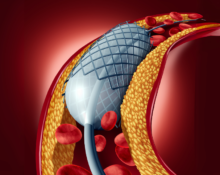
- Coronary Stenting – A minimally invasive procedure used to open significantly narrowed or blocked coronary arteries and restore healthy blood flow when necessary.
Tests & Treatments for Low Blood Pressure (Hypotension)
- Tilt Table Testing – A diagnostic procedure used to assess unexplained fainting, dizziness, or suspected autonomic nervous system dysfunction related to blood pressure regulation.
- Pacemaker Implantation – A procedure used when low blood pressure is linked to bradycardia or heart block, helping regulate heart rhythm and maintain adequate blood circulation.
Find Diagnostic Services

Featured Story
[MY] Featured Financial Advisor
Find A Treatment

Featured Story
[MY] Featured Financial Advisor
Hospitals & Medical Centres
Find A Doctor
Concerned about your blood pressure readings or cardiovascular risk? Speak to a Cardiologist today. They can assess your blood pressure profile, identify possible contributing factors such as heart disease, arterial plaque, or rhythm abnormalities, and recommend evidence-based diagnostic tests or treatment options suited to your condition.

[SG] Featured Doctor
Featured Story
View more Cardiologists on Find A Doctor.
Book an appointment for low or high blood pressure treatment and tests or to consult a Specialist.
Featured Financial Advisers

[SG] Featured Doctor
Featured Story
FAQs
A normal blood pressure reading is generally around 120/80 mmHg. Persistent readings of 140/90 mmHg or higher may indicate hypertension, while readings below 90/60 mmHg may suggest hypotension depending on symptoms, age, and overall health.
Yes. Over time, uncontrolled high blood pressure can damage artery walls, increasing the risk of plaque accumulation (atherosclerosis), which may narrow or block arteries and raise the likelihood of heart attack or stroke.
Coronary stenting may be recommended if coronary angiography identifies significant narrowing or blockage in the coronary arteries that restricts blood flow to the heart.
A pacemaker may be advised when low blood pressure is caused by an abnormally slow heart rate (bradycardia) or heart block, where the heart cannot pump blood effectively.
Yes. A balanced diet, reduced salt intake, regular physical activity, weight management, and stress reduction can significantly improve blood pressure control. However, some individuals may still require medication, monitoring, or medical procedures depending on the underlying cause.