

Heart disease remains one of the leading health concerns in Singapore and Malaysia. Many people may not realise they have blocked or narrowed arteries until they develop chest pain, shortness of breath, or in some cases, suffer a heart attack. One of the most common treatments to restore healthy blood flow to the heart is coronary angioplasty.
This guide explains what coronary angioplasty is, how a CT Angiogram plays a vital role in diagnosis, and how you can take the right steps towards heart health by connecting with the right cardiologists in Singapore and Malaysia.
Back to Main Channel: Angiography and Stent Placement for the Heart
Explore CT Angiogram Packages at our Mall
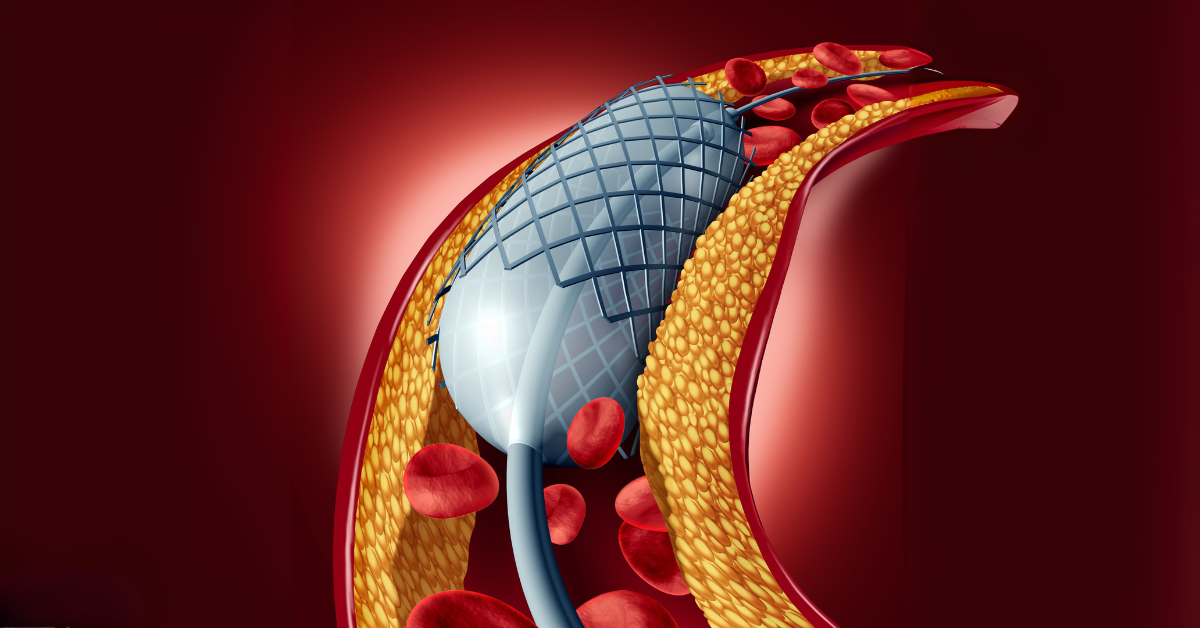
Coronary angioplasty, also known as percutaneous coronary intervention (PCI), is a minimally invasive procedure to open blocked or narrowed coronary arteries. The procedure typically involves:
- Inserting a thin catheter through a blood vessel in the wrist or groin.
- Guiding the catheter to the narrowed section of the coronary artery.
- Inflating a small balloon at the catheter tip to widen the artery.
- Placing a stent (a mesh-like tube) in the artery to keep it open.
Stents play a crucial role in angioplasty. They act as scaffolding to support the artery walls and maintain long-term blood flow. There are two main types of stents:
- Bare-metal stents: simple mesh tubes that provide structural support.
- Drug-eluting stents: coated with medication that is slowly released to reduce the risk of restenosis (re-narrowing of the artery).
By using stents, cardiologists significantly lower the chances of blockages recurring compared to balloon angioplasty alone.
When Is Coronary Angioplasty Necessary?
Coronary angioplasty may be recommended if:
- CT Angiogram results show significant artery narrowing or blockage.
- You have frequent angina not relieved by medication.
- You have suffered a heart attack and urgent treatment is required to restore blood flow.
- You are at high risk of complications due to coronary artery disease.
CT Angiogram: A Key Diagnostic Tool Before Angioplasty
Before angioplasty can be considered, cardiologists need detailed information about the condition of your coronary arteries. A CT Angiogram is a non-invasive test to consider for this purpose.
A CT Angiogram provides:
- High-resolution images of the coronary arteries.
- Information about the presence, location, and severity of plaque or blockages.
- Guidance for cardiologists on whether angioplasty or other treatments are necessary.
What To Expect During Coronary Angioplasty
- Procedure duration: 30 minutes to 2 hours, depending on complexity.
- Anaesthesia: Local anaesthesia with mild sedation.
- Hospital stay: Usually 1–2 days for observation.
- Recovery time: Many patients return to normal activities within a week.
Choosing The Right Cardiologist
Not all patients with blocked arteries require angioplasty. The decision depends on CT Angiogram or other diagnostic tool findings and consultation with an experienced cardiologist. Choosing the right doctor ensures you receive treatment tailored to your condition.


ThS.BS. Nguyễn Minh Trí Viên

[SG] Featured Doctor

Featured Story
For inquiries about CT angiogram, angioplasty, cardiologists, costs and other information, contact us below.
Frequently Asked Questions (FAQs)
1. What is a stent in cardiology?
A stent is a small mesh tube placed inside a coronary artery during angioplasty. It helps keep the artery open and prevents it from narrowing again.
2. How long do cardiac stents last?
Cardiac stents are designed to last for many years. With good medical care and lifestyle adjustments, most stents function effectively for a lifetime.
3. Is coronary angioplasty painful?
Patients do not feel pain during the procedure due to local anaesthesia and sedation. Some may feel mild pressure when the balloon is inflated.
4. How long do patients stay in hospital after angioplasty?
Most patients are observed overnight and discharged the next day if stable. Complex cases may require a longer stay.
5. Can blockages recur after angioplasty?
Yes, arteries can narrow again. This is why cardiologists often prescribe medication and recommend lifestyle changes to reduce the risk of recurrence.
Useful Links
Related Content
- Angiography and Stent Placement for the Heart
- Medical Imaging – See Clearly, Diagnose Early
- CT Angiogram