

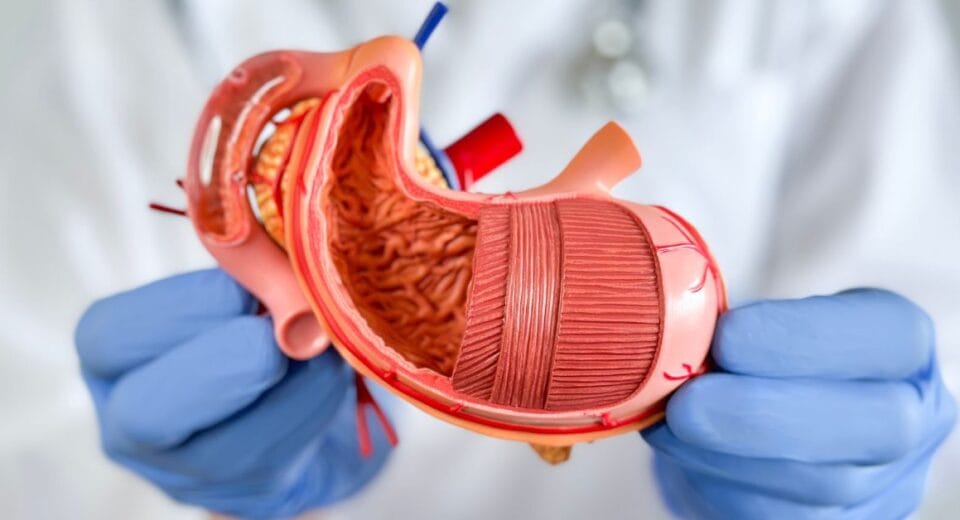




Weight Management - Learn About GLP-1 Weight-Loss Injections, Sleeve Gastrectomy, And More.
Weight management refers to a comprehensive range of clinical and lifestyle strategies designed to achieve and maintain a healthy body mass index (BMI). It encompasses medical interventions, lifestyle adjustments, and surgical options to address obesity and metabolic conditions. Across the region, rising rates of obesity and metabolic syndrome make early intervention and structured management vital for long-term health outcomes.
Editor's Picks
Bariatric Surgery Singapore: Achieving Long-Term Health and Weight Transformation
- January 13, 2026
- 5183 Views
- Reading Time: 5 minutes
Weight Management: How to Achieve Sustainable Health and Wellness
- November 14, 2025
- 1590 Views
- Reading Time: 3 minutes
Diabetes Weight Loss: How You Can Manage Weight Safely
- November 14, 2025
- 1567 Views
- Reading Time: 4 minutes
Find A Doctor
If you are looking for a specialist for clinical weight management, you may choose to consult an endocrinologist. Here are some doctors you may consider:

Dr Cho Bi Ryong
Dr Ahn Chul Woo
Dr Kim Jong Min
Dr Song Kyo Young
Dr Son Sang Yong
Dr Lee Sang Wook
Dr Kwon Young Chul
Dr Jeon Seong Woo
Dr Park Sung Soo
Dr Park Do Joong
Dr Lee Jun Haeng
[SG] Featured Doctor
Featured Story
Find A Hospital or Medical Centre
Financials
Financial Subsidies & Support Schemes
National health schemes and subsidies help offset the cost of chronic disease management and metabolic treatments at accredited public and private clinics.
- Outpatient Subsidies: Applicable for chronic metabolic conditions, diagnostic blood panels, and specialist consultations at polyclinics and Specialist Outpatient Clinics (SOCs).
- Chronic Disease Schemes:
- Covers chronic metabolic risk factors, including Type 2 diabetes, hypertension, and hyperlipidaemia.
- Co-Payment: Standard co-payment policies apply depending on your residency status and scheme enrolment.
- Exception: Outpatient co-payments may be reduced or waived at designated primary healthcare network clinics.
Check with local healthcare authorities or your insurer regarding the latest subsidy and withdrawal policies for metabolic and outpatient treatments.
Manage Your Health – Consult A Specialist Early
Metabolic risk factors often develop gradually without obvious symptoms. Whether you require a medical evaluation, prescription therapies, or surgical guidance, taking proactive steps is key to achieving sustained weight management.
FAQs
What are the common statistics for obesity and overweight conditions in the region?
According to the OECD and WHO Health at a Glance: Asia/Pacific report, over 30% of adults in the region are classified as overweight or living with obesity when evaluated using Asian-specific BMI criteria. Unmanaged weight issues contribute significantly to chronic health problems, including Type 2 diabetes, cardiovascular disease, and joint disorders.
What are GLP-1 weight-loss injections, and how do they work?
GLP-1 (Glucagon-Like Peptide-1) receptor agonists are injectable medications prescribed under medical supervision. They mimic a naturally occurring hormone that regulates appetite and insulin secretion. By slowing gastric emptying and signaling fullness to the brain, GLP-1 injections help reduce calorie intake and support sustained weight reduction.
What is a sleeve gastrectomy, and who is suitable for it?
Sleeve gastrectomy is a bariatric surgical procedure where a physician removes approximately 75% to 80% of the stomach, leaving a narrow tube or “sleeve.” This reduces the volume of food the stomach can hold and decreases the production of ghrelin, the hormone responsible for hunger. It is typically recommended for individuals with severe obesity or those with metabolic complications who have not achieved results through non-surgical methods alone.
How can I reduce my risk of weight-related health complications?
Adopting structured lifestyle habits is the foundation of long-term weight management. Key measures include:
- Consuming a diet rich in whole grains, vegetables, and lean protein.
- Limiting intake of refined carbohydrates, saturated fats, and added sugars.
- Engaging in at least 150 minutes of moderate-intensity aerobic physical activity per week.
- Maintaining consistent sleep hygiene and managing chronic stress levels.
- Consulting a general practitioner or dietitian for a structured, evidence-based weight management plan.
What diagnostic tests are commonly used to assess metabolic health?
Specialists typically evaluate body composition and metabolic risk factors using tests such as:
- Body Mass Index (BMI) and waist circumference measurements
- Fasting blood glucose and HbA1c tests
- Lipid profile (cholesterol and triglycerides)
- Liver function tests (to check for fatty liver disease)
- Blood pressure monitoring
Should I see a doctor before starting a weight-loss programme?
Yes. It is recommended to consult a doctor or specialist before initiating any significant weight-loss regimen, especially if you have existing health conditions. A doctor can screen for underlying hormonal or metabolic issues and recommend safe, clinical options tailored to your needs.
Additional Resources
- Weight Management | HealthHub Singapore. Available from: https://www.healthhub.sg/well-being-and-lifestyle/food-diet-and-nutrition/weight_management_nuhs
- CPG ‘Management of Obesity’ | Malaysian Endocrine and Metabolic Society (MEMS). Available from: https://mems.my/cpg-management-of-obesity/
- Korean Society for the Study of Obesity (KSSO) Portal | KSSO. Available from: https://www.kosso.or.kr/eng/content/about/general.php
- Chinese Guidelines for the Clinical Management of Obesity | Medical Journal of Peking Union Medical College Hospital. Available from: https://xhyxzz.pumch.cn/en/article/doi/10.12290/xhyxzz.2024-0918