





Colorectal Surgery
Comprehensive Care for Your Digestive Health
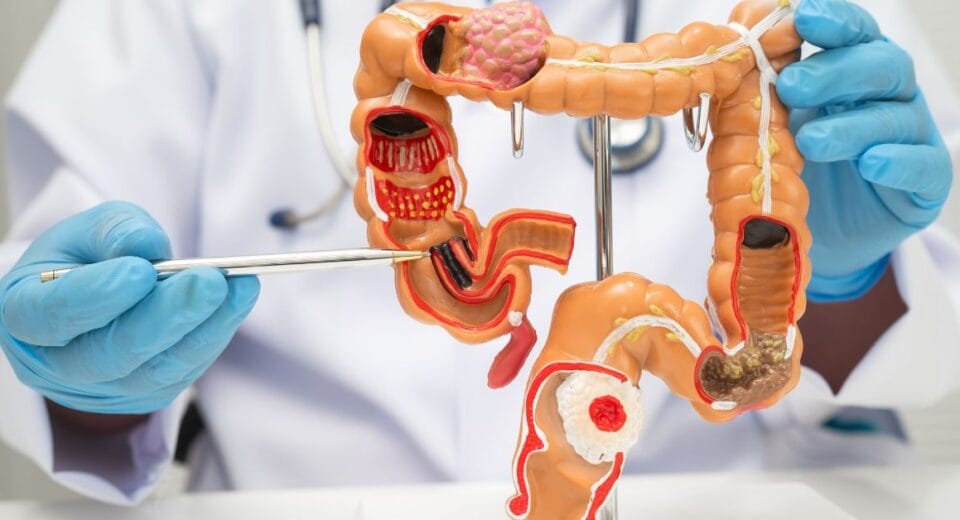
Colorectal surgery encompasses a range of procedures used to treat conditions affecting the lower digestive tract, specifically the colon, rectum, and anus. These procedures are essential for managing both benign and malignant conditions, such as colorectal cancer, inflammatory bowel disease (IBD), and diverticulitis. Modern advancements in surgical techniques focus on preserving bowel function and improving patient outcomes through precision and expertise.
Robotic Colorectal Surgery in Singapore: Benefits, Costs, and Expert Care
- February 3, 2026
- 4969 Views
- Reading Time: 4 minutes
Colorectal Surgery in Singapore: Costs and Insurance Coverage
- June 4, 2025
- 1481 Views
- Reading Time: 3 minutes
Robotic Colorectal Surgery Cost Singapore: What Patients Should Know
- February 3, 2026
- 5119 Views
- Reading Time: 4 minutes
Why You Should Consider Colorectal Surgery?
Surgery is often the most effective treatment for serious colorectal issues that do not respond to medication or lifestyle changes. In the case of colorectal cancer, early surgical intervention is critical for successful treatment and long-term recovery.
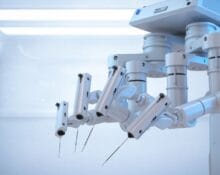
Today, many procedures are performed using robotic colorectal surgery. This minimally invasive approach utilises modern robotic systems that provide surgeons with high-definition, 3D visualisation and greater dexterity. For the patient, this often results in:
- Smaller incisions and reduced scarring.
- Lower risk of post-operative complications.
- Less pain and a faster return to daily activities.
- Greater precision in delicate areas, such as the rectum.
Hospitals & Medical Centres
Find A Doctor
Are you experiencing persistent changes in bowel habits or have you been diagnosed with a colorectal condition? Speak to a General Surgeon or a Colorectal Specialist today. They can perform necessary screenings, such as a colonoscopy, and discuss whether robotic or laparoscopic surgery is the right path for your specific health needs.

[SG] Featured Doctor
Featured Story
View more Colorectal Surgeons on 365Find.
Book an appointment for Colorectal Surgery or to consult a Specialist. Contact us via the button below.
Featured Financial Advisers

[SG] Featured Doctor
Featured Story
FAQs
Laparoscopic surgery uses small incisions and a camera to guide manual instruments. Robotic surgery is a further evolution where the surgeon controls robotic arms from a console. The robotic system offers a wider range of motion and enhanced 3D visibility, which is particularly beneficial for complex surgeries in narrow anatomical spaces.
While any surgery involving the digestive tract is significant, the transition toward minimally invasive techniques has made the process much safer and more manageable. The complexity of the procedure depends on the underlying condition and the specific part of the bowel being treated.
Recovery times vary between individuals, but many patients who undergo robotic surgery find they can leave the hospital within three to five days. Most people return to their normal routine within two to four weeks, which is significantly faster than traditional open surgery.
As with any surgical procedure, there are risks such as infection, bleeding, or reactions to anaesthesia. Specific to colorectal surgery, there is a small risk of an anastomotic leak (where the bowel connection does not heal properly). Your surgeon will discuss these risks with you in detail during your consultation.
No, a stoma (where the bowel is redirected to an opening in the abdomen) is not always necessary. Many modern surgeries aim for “primary anastomosis,” which means reconnecting the healthy ends of the bowel. If a stoma is required, it is often temporary to allow the bowel to heal before a second, smaller procedure is performed to reverse it.