

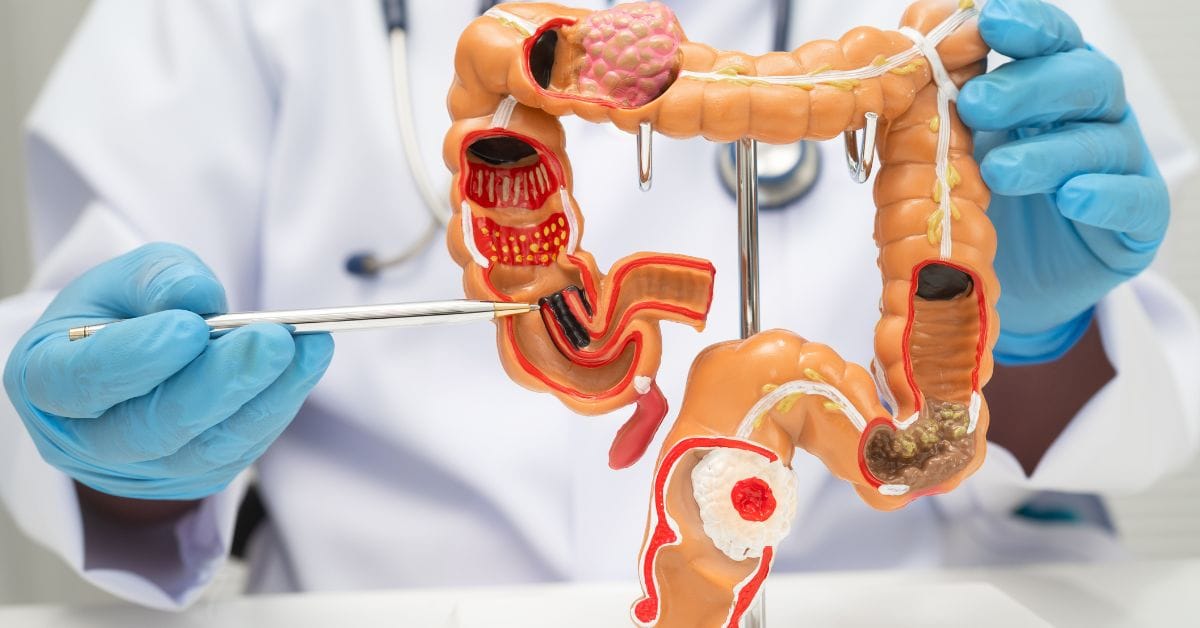
Colorectal health is a significant pillar of well-being for many Singaporeans. With colorectal cancer being one of the most commonly diagnosed cancers in the country, the medical landscape has evolved rapidly to offer highly precise and effective surgical solutions. Whether you are addressing a benign condition like diverticulitis or navigating a cancer diagnosis, understanding your surgical options is the first step toward recovery.
Back to main channel: Colorectal Surgery
Schedule a consultation with a specialist
Understanding Your Options for Colorectal Surgery in Singapore
Modern surgical techniques in Singapore have shifted from traditional open methods towards minimally invasive approaches. These advancements focus on reducing recovery time, minimising pain, and improving clinical outcomes.
1. Traditional Open Surgery
While less common today, open surgery remains necessary for complex cases where a larger incision is required to provide the surgeon with direct access to the abdominal cavity.
2. Laparoscopic (Keyhole) Surgery
This is a minimally invasive technique where several small incisions (usually 5–10 mm) are made. A laparoscope—a thin tube with a camera—is used to guide the surgeon. This method typically results in less scarring and a quicker return to daily activities compared to open surgery.
3. Robotic-Assisted Surgery
Robotic colorectal surgery represents the latest frontier in surgical technology. In Singapore, many leading specialists now utilise robotic systems to enhance precision.
- Enhanced Precision: The robotic system translates a surgeon’s hand movements into micro-movements, which is particularly beneficial when operating in the narrow confines of the pelvis.
- 3D Visualisation: Surgeons operate via a high-definition 3D console that provides a magnified view of the surgical site.
- Better Functional Preservation: Because of the high level of accuracy, there is a better chance of preserving surrounding nerves, which is vital for maintaining bowel and sexual function after rectal surgery.
Estimated Costs of Colorectal Surgery in Singapore
The cost of surgery is a primary concern for many patients. In Singapore, the final bill depends on the complexity of the case, the choice of hospital (Public vs. Private), and the surgical approach used.
MOH’s listing of the average costs of colorectal surgery in Singapore are:
| Type of Hospital | Average Cost (Data accessed in Feb 25) |
| Private | S$55,865 (Inpatient) |
| Public (Unsubsidised) | S$23,887 (Ward A) |
| Public (Subsidised) | S$6,288 (Ward C) |
Financing and Insurance Coverage
Singaporeans can leverage several schemes to manage the costs of colorectal surgery:
- MediShield Life: Covers a portion of the bill in public hospitals and is applicable for certain treatments in private institutions.
- Integrated Shield Plans (IPs): Most Singaporeans with an IP may claim a significantly higher portion of their surgery costs, especially in private hospitals.
- MediSave: Can be used to offset surgical fees and daily hospital charges, subject to withdrawal limits set by the Ministry of Health (MOH).
Specialists You May Consider
Finding a surgeon who is experienced in your specific condition—whether it is colorectal cancer, piles, or inflammatory bowel disease—is crucial. Some colorectal specialists you may consider:




Dr Chong Choon Seng 张峻诚医生



[SG] Featured Doctor

Featured Story
For inquiries or for an introduction to a specialist, contact us below.
Frequently Asked Questions (FAQs)
How long is the recovery period after robotic colorectal surgery?
Most patients who undergo robotic or laparoscopic surgery stay in the hospital for 3 to 5 days. You can usually return to light activities within 2 weeks, though full recovery may take 4 to 6 weeks.
Is robotic surgery always better than laparoscopic surgery?
Not necessarily. While robotic surgery offers superior precision in tight spaces (like the deep pelvis for rectal cancer), laparoscopic surgery is still an excellent and effective option for many colon procedures. Your surgeon will recommend the best approach based on your specific case.
Can I use my MediSave for robotic colorectal surgery?
Yes, you can use MediSave to pay for surgical procedures, provided they are performed in MOH-approved institutions. However, there are specific withdrawal limits (Table of Surgical Procedures) that apply regardless of whether the surgery is robotic or laparoscopic.
Will I need a stoma bag after colorectal surgery?
This depends on the location of the tumour or disease. In many modern surgeries, surgeons can perform a “primary anastomosis” (reconnecting the bowel). A temporary stoma may be needed to allow the area to heal, but permanent stomas are less common today due to advanced surgical techniques.
Are there any risks specific to robotic surgery?
The risks are generally similar to any major surgery, including infection or bleeding. However, robotic surgery is considered safe when performed by a trained specialist. The primary difference is the use of the robotic interface, which is controlled entirely by the surgeon.