

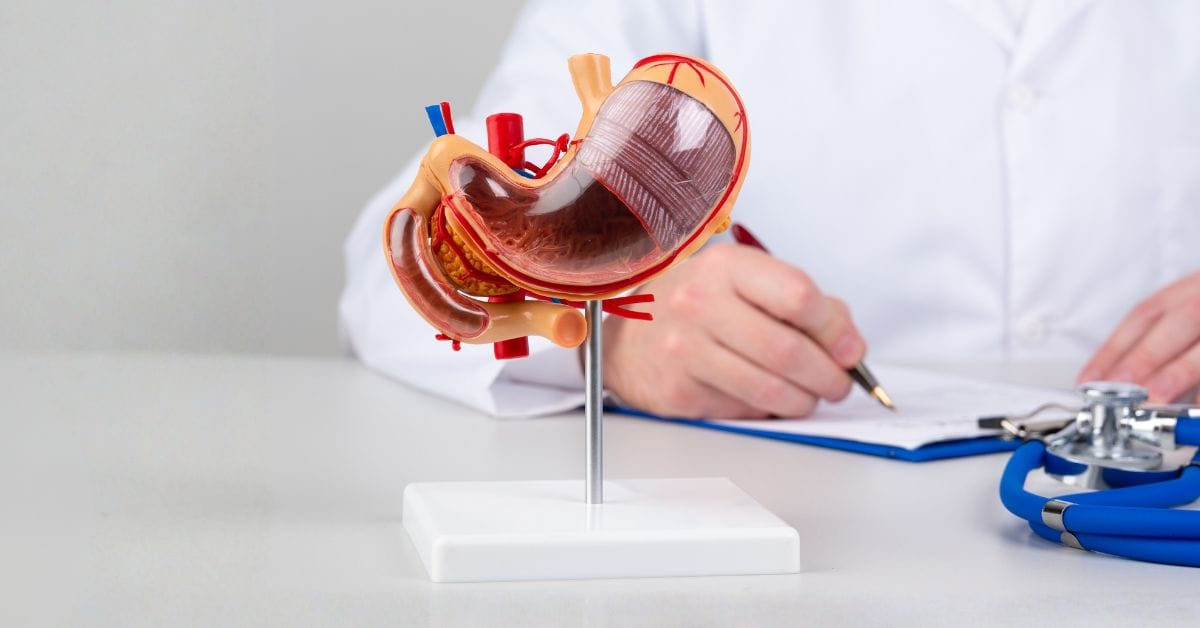
Maintaining a healthy weight is a significant challenge for many Singaporeans. Despite our vibrant food culture, the prevalence of obesity and related conditions such as Type 2 diabetes and hypertension continues to rise. When traditional approaches — like diet, exercise and medical therapy — do not achieve sustainable results for people with severe obesity, bariatric surgery in Singapore offers a medically proven option for significant long-term weight loss and improvement in metabolic health.
Back to main channel: Bariatric Surgery
Schedule a consultation with a specialist
Understanding Bariatric Surgery in Singapore
Bariatric surgery, often referred to as weight loss surgery, involves surgical procedures performed on the stomach or intestines to induce weight loss. In Singapore, these procedures are predominantly performed using minimally invasive laparoscopic (keyhole) techniques, which typically result in faster recovery times and less postoperative discomfort.
The primary objective is not merely aesthetic. For many patients, the goal is to “reset” the metabolic system and reduce the risk of life-threatening comorbidities.
Common Types of Weight Loss Procedures
- Sleeve Gastrectomy: This is currently the most common procedure in Singapore. It involves removing approximately 60% to 80% of the stomach, leaving a narrow tube or “sleeve.” This limits food intake and significantly reduces the production of hunger hormones.
- Roux-en-Y Gastric Bypass: This procedure involves creating a small pouch from the stomach and connecting it directly to the small intestine. It works by both restricting food intake and reducing the absorption of calories.
- Gastric Banding: An adjustable silicone band is placed around the upper part of the stomach. While less common today, it remains an option for specific patient profiles.
Eligibility Criteria: Are You a Candidate?
In Singapore, clinical guidelines for bariatric surgery differ from those in Western countries, as Asians tend to have a higher percentage of body fat and greater metabolic risk at lower Body Mass Index (BMI) levels. As a result, bariatric surgery may be considered at lower BMI thresholds compared to Western populations. You may be a candidate if:
- Your BMI is 37.5 or higher, regardless of other health conditions.
- Your BMI is 32.5 or higher, and you suffer from obesity-related complications such as Type 2 diabetes, high blood pressure, or obstructive sleep apnoea.
The Cost of Bariatric Surgery in Singapore
The financial commitment for bariatric surgery varies widely and depends on several factors, including the type of procedure, hospital setting, and level of post-operative care required.
Surgeon Fee Benchmarks
According to data from the Ministry of Health (MOH), the surgeon fee benchmarks are as follows:
| Procedure Type | Table of Surgical Procedures (TOSP) | Recommended Surgeon Fee Range |
| Sleeve Gastrectomy | SF703S | $9,265 – $13,843 |
| Gastric Bypass | SF804S | $13,080 – $19,620 |
Note: These figures represent the surgeon’s fee only and do not include anaesthetist fees, hospital charges, and consumables.
Financial Schemes and Insurance
In Singapore, bariatric surgery is often classified as a medical necessity rather than a cosmetic procedure if the patient meets specific clinical criteria.
- MediSave: Singaporeans and Permanent Residents may be able to use a portion of their MediSave to offset surgical costs.
- MediShield Life / Integrated Shield Plans: Depending on your specific policy and the severity of your comorbidities, a portion of the hospitalisation and surgical fees may be claimable.
Specialists You May Consider
Choosing the right surgeon is a critical step in your weight-loss journey. Bariatric surgery should be performed by a general surgeon with specialised training and experience in bariatric (metabolic) surgery. Some surgeons you may consider include:

Dr Kim Guowei

Clin Asst Prof Yeung Po Man Baldwin

[SG] Featured Doctor

Featured Story
For enquiries or for an introduction to a specialist, contact us below.
Frequently Asked Questions (FAQs)
Is bariatric surgery a permanent solution for weight loss?
While the surgery provides a powerful tool for weight reduction, it requires a lifelong commitment to lifestyle and dietary changes. Without proper nutritional discipline, it is possible to regain weight over time.
What is the typical recovery period after the procedure?
Most patients who undergo laparoscopic surgery are discharged within two to three days. You can generally return to desk-based work within one to two weeks, although strenuous physical activity should be avoided for at least a month.
Will I need to take supplements for the rest of my life?
Yes. Because certain procedures alter how your body absorbs nutrients, daily multivitamins and specific supplements (such as Iron, Vitamin B12, and Calcium) are essential to prevent nutritional deficiencies.
Can bariatric surgery cure Type 2 diabetes?
Bariatric surgery does not cure Type 2 diabetes, but many patients experience diabetes remission, where blood sugar levels return to normal without the need for medication. This is particularly common following procedures such as gastric bypass and sleeve gastrectomy, due to significant weight loss and favourable metabolic changes.
Are there risks involved with the surgery?
As with any major surgery, bariatric procedures carry risks, including bleeding, infection, and reactions to anaesthesia. Specific risks related to bariatric surgery may include gastrointestinal leaks, blood clots such as deep vein thrombosis, or nutritional deficiencies. A comprehensive pre-operative assessment is conducted to evaluate individual risk and suitability before surgery.