

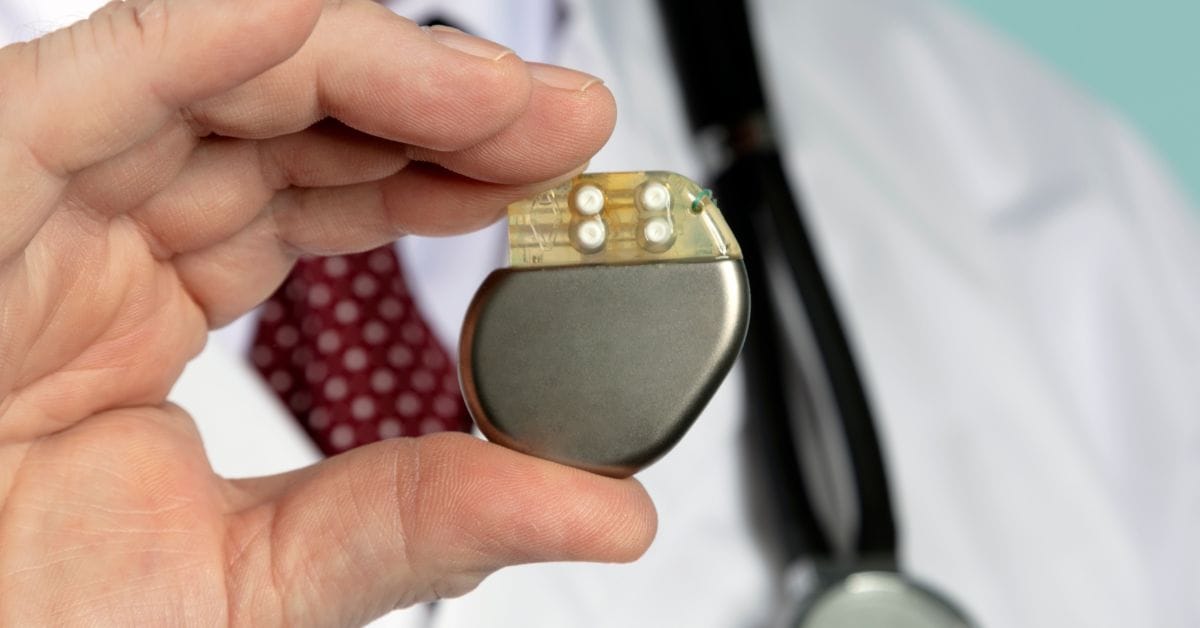
Maintaining heart health is essential for many Singaporeans, particularly as cardiovascular conditions become more common with age. When the heart’s electrical system becomes disrupted, a pacemaker may be recommended to help regulate heart rhythm and maintain adequate blood circulation.
In this article, we explain how pacemakers work, their relationship with blood pressure, and the estimated doctor fees in Singapore based on Ministry of Health (MOH) benchmarks.
Back to main channel: Low and High Blood Pressure Treatments & Tests
Schedule a consultation with a specialist
What is a Pacemaker?
A pacemaker is a small, battery-powered medical device implanted under the skin, usually just below the collarbone. It monitors the heart’s rhythm and delivers electrical impulses when the heart beats too slowly or irregularly.
In Singapore, pacemakers are most commonly used to treat bradycardia, a condition where the heart rate is abnormally slow. When the heart does not pump enough blood to meet the body’s needs, symptoms may include dizziness, fatigue, shortness of breath, and fainting.
A pacemaker helps ensure the heart maintains an adequate and stable rhythm to support normal daily activities.
How Heart Rhythm Relates to Blood Pressure
Heart rate and blood pressure are closely related but are not the same measurement. Both work together to maintain stable blood circulation throughout the body.
Low Heart Rate and Blood Pressure
When the heart beats too slowly due to an electrical conduction problem, cardiac output may fall. This can result in low blood pressure (hypotension) and symptoms such as dizziness or fainting (syncope).
Role of Pacemakers in Treatment
A pacemaker is not a treatment for hypertension (high blood pressure). However, in some cases, medications used to control blood pressure may slow the heart rate excessively. A pacemaker can help prevent dangerously slow heart rhythms, allowing doctors to safely manage blood pressure with medication.
Pacemaker Procedure in Singapore
Pacemaker implantation is a commonly performed cardiac procedure in Singapore and is generally considered safe and routine in specialist centres.
The procedure is typically done under local anaesthesia with sedation. A small device is implanted under the skin, with leads placed into the heart to help regulate rhythm.
Most patients are discharged within one to two days, depending on recovery.
After the Procedure
Patients are usually advised to:
- Avoid heavy lifting or strenuous arm movement on the implant side for several weeks
- Keep mobile phones at least 15 cm away from the device
- Inform airport security staff (e.g. at Changi Airport) before screening
- Attend regular follow-ups for device monitoring
Modern pacemakers are well-protected against most everyday electronic interference.
Estimated Costs of Pacemaker Insertion in Singapore
The following doctor fee benchmarks are based on Ministry of Health (MOH) Private Sector Fee Benchmarks (TOSP Code: SD716H):
Doctor Fees (Single or Dual Chamber Pacemaker Insertion)
| Type of Fees | Fee Range (Inclusive of 9% GST) |
|---|---|
| Surgeon Fee | S$5,014 – S$7,957 |
| Anaesthetist Fee | S$1,635 – S$2,616 |
| Inpatient Doctors’ Attendance Fees | S$230 – S$450 per day |
Important Notes
- Higher surgeon fees may apply for more complex cases
- Inpatient attendance fees apply during office hours only
- Fees do not include hospital charges, medications, imaging, laboratory tests, or surgical consumables
- Total bill sizes may vary depending on condition and hospital choice
Disclaimer:
The above figures are based on MOH fee benchmarks and are intended for general reference only. Actual costs may vary depending on medical condition, hospital type, and treatment complexity. Patients should consult their healthcare provider and insurer for personalised estimates.
Recovery and Lifestyle Considerations
Recovery after pacemaker implantation is usually straightforward. Most patients can return to normal daily activities within a few days, although full recovery may take a few weeks.
Patients are encouraged to adopt heart-healthy habits such as:
- A balanced diet low in salt and saturated fats
- Regular physical activity as advised by a doctor
- Proper management of blood pressure and cholesterol
Specialists You May Consider
If you are experiencing symptoms such as unexplained fainting, dizziness, or irregular heartbeats, you may wish to consult a cardiologist. They may diagnose and treat heart rhythm disorders and can assess whether a pacemaker is appropriate.





[SG] Featured Doctor

Featured Story
For inquiries or for an introduction to a specialist, contact us below.
Frequently Asked Questions (FAQs)
1. How long does a pacemaker last?
A pacemaker battery typically lasts between seven and fifteen years, depending on usage and device type. Regular follow-ups are required.
2. Can I live normally with a pacemaker?
Yes. Most patients return to normal daily life after recovery. The device continuously supports heart rhythm as needed.
3. Does a pacemaker cure high blood pressure?
No. A pacemaker does not treat hypertension. It is used to manage slow or irregular heart rhythms.
4. Is pacemaker surgery covered by Medisave or insurance?
Yes. Pacemaker implantation is Medisave-claimable in Singapore. Integrated Shield Plans may also cover a portion of private hospital costs depending on policy coverage.
5. Are there any restrictions after implantation?
Patients should avoid strong magnetic exposure and heavy strain on the implant site during early recovery. Most everyday activities, including travel and electronics use, are safe.