

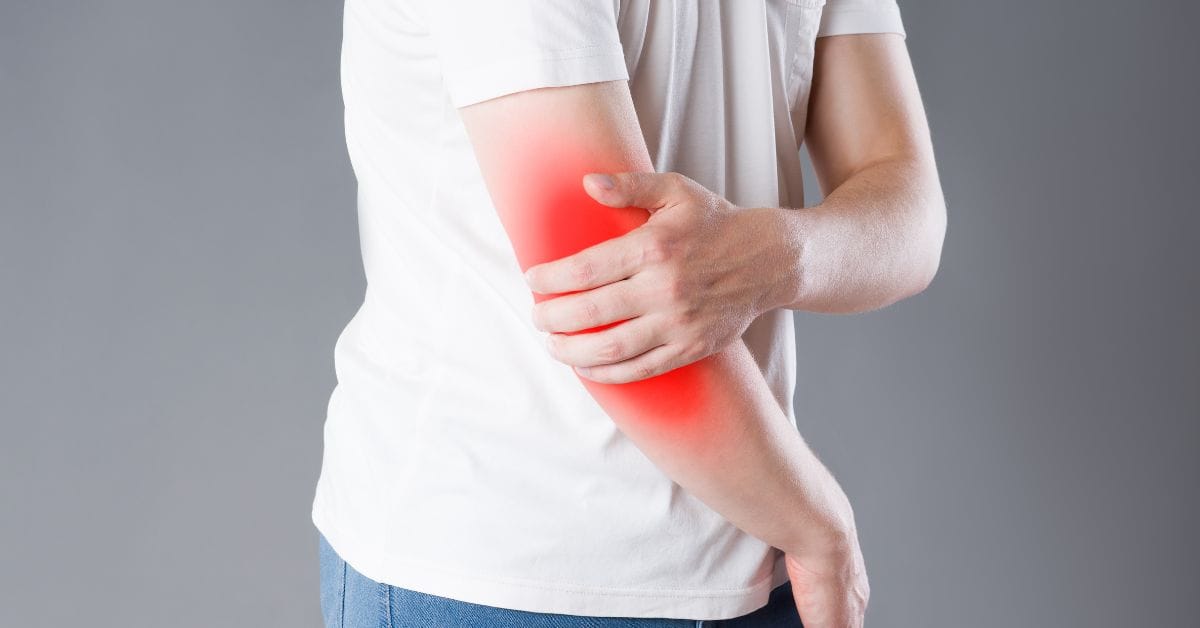
Elbow discomfort can significantly impair daily activities, ranging from basic gripping tasks to typing. Seeking timely elbow pain treatment is essential to halt the progression of tissue degeneration and restore long-term joint function. An orthopaedic specialist can provide a tiered management approach tailored to specific conditions such as lateral epicondylitis or cubital tunnel syndrome. This structured pathway ensures patients progress from non-invasive therapeutic techniques to advanced surgical alternatives only when clinically indicated. By managing symptoms early, individuals can prevent permanent functional loss and return to their regular lifestyle or work commitments.
Back to main channel: Elbow Pain Treatment
Schedule a consultation with an Orthopaedic Surgeon
The Clinical Reality Of Musculoskeletal Strain In Singapore
Musculoskeletal disorders represent a significant healthcare burden in Singapore’s rapidly ageing population and remain a leading cause of pain, functional impairment, and non-fatal disability. Official Ministry of Manpower statistics consistently identify work-related musculoskeletal disorders as one of the most common occupational diseases in Singapore, accounting for approximately 31% of confirmed cases in 2025. Repetitive strain injuries affecting the upper limbs are frequently encountered among office workers, manual labourers, and athletes due to repetitive movements, sustained postures, or forceful activities. Conditions such as tennis elbow (lateral epicondylitis) affect an estimated 1% to 3% of the general population worldwide. When repetitive tendon overload leads to tendinopathy, early clinical assessment and appropriate management can help relieve symptoms, restore function, and reduce the risk of prolonged disability or disruption to work and daily activities.
What Causes Chronic Elbow Discomfort?
Chronic elbow discomfort typically arises from repetitive mechanical strain that leads to tendon degeneration, joint inflammation, or nerve compression. Structural damage often manifests as micro-tearing within the common extensor tendon or compression of the ulnar nerve. An orthopaedic evaluation determines the precise anatomical structure requiring targeted elbow pain treatment.
Physiologically, conditions such as lateral epicondylitis involve an altered healing response rather than an active inflammatory process. Continuous mechanical loading causes the regular parallel collagen fibers within the tendon to break down, replacing them with disorganised, weak vascular tissue. Similarly, structural issues like cubital tunnel syndrome involve physical pressure on the ulnar nerve behind the joint, restricting blood supply and causing progressive nerve ischemia. Understanding these cellular and mechanical changes allows specialists to design specific therapeutic regimens aimed at tissue recovery and restoring full mobility.
When Is Conservative Elbow Pain Treatment Recommended?
Conservative treatment is recommended as the initial management phase for acute or mild symptoms that have persisted for less than three months. This non-invasive approach focuses on reducing mechanical loading, managing pain, and initiating structural rehabilitation. Physiotherapy, activity modification, and structured orthotic bracing form the cornerstone of this first-line management protocol.
Dedicated rehabilitation programmes focus on eccentric strengthening exercises for the forearm extensor and flexor muscles to encourage healthy tissue remodelling. Orthopaedic specialists often prescribe counterforce braces to alter the load distribution away from the damaged tendinous attachment during daily activities. Modifying workplace ergonomics, particularly keyboard and mouse positioning, helps eliminate repetitive straining behaviours that exacerbate the underlying tendon deterioration.
What To Watch For
| Symptom Severity | Recommended Actions |
| Mild discomfort during specific gripping actions | Initiate temporary rest and evaluate ergonomic alignment at work |
| Persistent ache after performing repetitive wrist movements | Consult a professional for structured physiotherapy and custom bracing |
When Should Patients Consider Interventional Elbow Pain Treatment?
Patients should consider interventional treatment when conservative measures fail to relieve symptoms after six to twelve weeks of consistent application. Interventional therapies offer a minimally invasive bridge between physical rehabilitation and formal surgery to stimulate a local healing response. These options typically include focused shockwave therapy and targeted autologous blood or corticosteroid injections.
Extracorporeal shockwave therapy delivers acoustic waves to localise energy on the damaged tissue, promoting neo-vascularisation and cellular repair. When structural degradation persists, an orthopaedic specialist may recommend platelet-rich plasma injections, which carry moderate clinical evidence for long-term tendon regeneration. These interventional modalities aim to chronicised tissues into an active healing phase, enhancing overall quality of life without requiring prolonged hospitalisation.
When Is Surgical Elbow Pain Treatment Necessary?
Surgical treatment becomes necessary when structural damage is severe or when comprehensive non-surgical management fails to restore joint function after six months. Surgical intervention aims to remove degenerative tissue or decompress trapped nerves to permanently alleviate mechanical symptoms. Modern techniques allow orthopaedic surgeons to execute these procedures through minimally invasive methods.
Surgeons frequently utilise arthroscopic surgery to clear loose bodies, treat joint arthritis, or decompress the ulnar nerve through small incisions. For advanced tendon pathology, an open tendon debridement may be performed to excise necrotic areas and reattach healthy tissue to the bone. Post-operative rehabilitation is vital to prevent joint stiffness, restore full operational strength, and safely guide the patient back to daily physical responsibilities.
| Surgical Red Flags | Recommended Consultation |
| Persistent numbness or tingling in the ring and little fingers | Arrange an urgent orthopaedic evaluation for nerve decompression |
| Total loss of grip strength preventing daily tool usage | Schedule a surgical review to discuss tendon repair options |
Specialists You May Consider
Elbow pain should be treated by an orthopaedic specialist with experience in upper limb and sports injuries. Such specialists can assess whether surgery is necessary, explain alternative treatments, and provide a personalised cost estimate based on imaging and clinical findings.

[SG] Featured Doctor
Featured Story
Contact Us For An Appointment
If you require professional advice regarding persistent joint discomfort, please click the WhatsApp link below. We can assist you in coordinating an informative consultation with a qualified orthopaedic specialist to explore your options for structured elbow pain treatment in Singapore.
Frequently Asked Questions
What is the typical duration of non-surgical elbow pain treatment?
Non-surgical recovery timelines vary, but most patients observe a gradual restoration of function within three to six months. Adherence to prescribed physiotherapy programmes and strict modification of repetitive activities remain the primary factors influencing healing speed.
Can a workplace setting worsen tendon degeneration in the arm?
Yes, improper workstation ergonomics and repetitive typing behaviours frequently accelerate tendon degradation. Maintaining fixed, awkward postures can result in tissues becoming sensitised, requiring professional intervention to localise and correct the mechanical stressors.
What are the main benefits of undergoing surgical intervention?
Surgical intervention targets the underlying structural cause of discomfort to improve overall quality of life. The main objectives include restoring normal joint mechanics, removing damaged tissue fragments, and ensuring long-term functional recovery.