

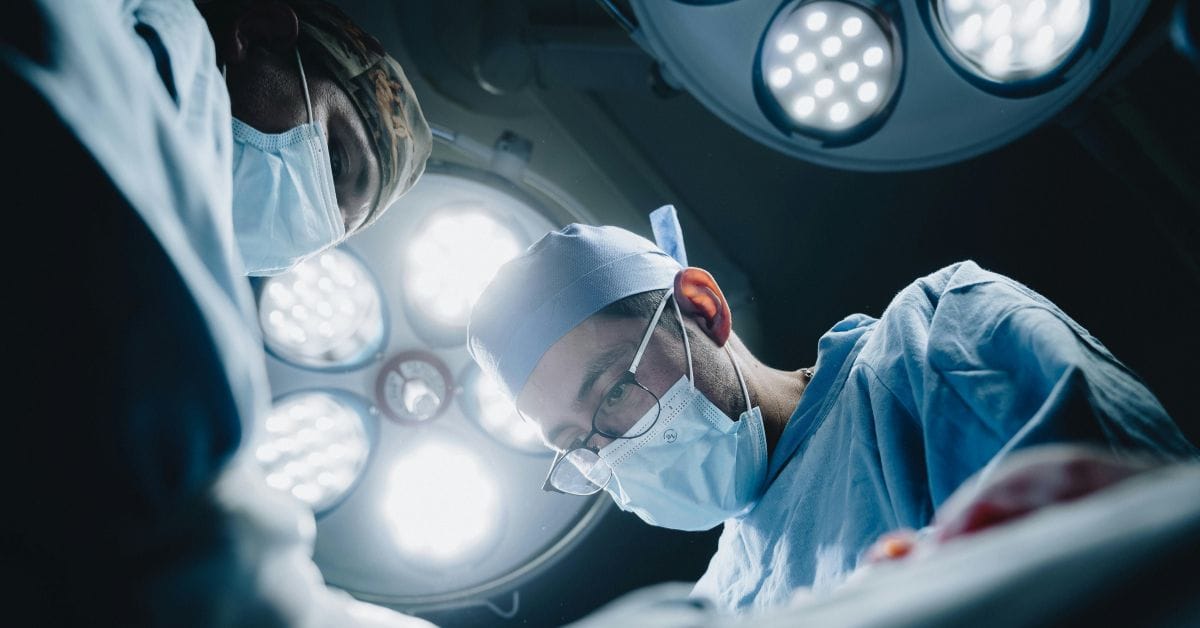
Elbow Arthroscopy is a minimally invasive surgical procedure utilised to diagnose and treat various joint disorders within the elbow. By using a small camera called an arthroscope, orthopaedic specialists can inspect the internal structures of the joint without requiring large incisions. This surgical approach is commonly recommended for individuals experiencing persistent elbow pain, stiffness, or mechanical symptoms that fail to respond to conservative treatments. The primary objectives of this procedure are restoring function and improving quality of life, allowing patients to return to daily activities with minimal downtime.
Back to main channel: Elbow Pain Treatment
Schedule a consultation with an Orthopaedic Surgeon
What Is The Clinical Reality Of Elbow Conditions In Singapore?
Elbow disorders represent a significant burden among individuals in Singapore, particularly those engaged in repetitive upper limb movements, sports, or experiencing age-related degenerative joint changes. Chronic conditions such as tennis elbow, golfer’s elbow, osteoarthritis, and post-traumatic stiffness frequently affect working-age adults and the ageing population. Clinical observations indicate that joint degeneration and repetitive strain injuries account for a substantial portion of orthopaedic consultations locally. When non-surgical interventions like physiotherapy, medication, and activity modification fail to provide relief, advanced diagnostic and therapeutic surgical interventions like Elbow Arthroscopy become necessary to prevent permanent functional limitations.
What Is Elbow Arthroscopy?
Elbow Arthroscopy is a minimally invasive keyhole surgical procedure performed by an orthopaedic surgeon to examine, diagnose, and treat conditions inside the elbow joint. It involves inserting a high-definition camera and specialised surgical instruments through several tiny incisions to address intra-articular pathologies efficiently.
Physiologically, the elbow is a complex hinge and pivot joint formed by the humerus, radius, and ulna. It is highly susceptible to cartilage wear, loose body formation, and synovial inflammation. During Elbow Arthroscopy procedures in Singapore, the joint is inflated with a sterile saline solution to expand the joint space, providing a clear view of the articular cartilage, ligaments, and synovium. The surgeon uses the arthroscope to identify loose fragments, bone spurs, or inflamed synovial tissue that restrict joint mechanics. Minimally invasive instruments are then introduced to debride damaged tissue, remove loose bodies, or release tight capsule structures, effectively mitigating mechanical blockages and supporting tissue healing.
When Do You Need Elbow Arthroscopy?
Patients in Singapore generally require Elbow Arthroscopy when conservative management fails to resolve persistent elbow pain, joint locking, or limited range of motion. It is commonly indicated for removing loose bodies, treating cartilage damage, releasing scar tissue, and managing severe cases of tendinopathy or arthritis.
A variety of clinical presentations warrant this surgical intervention. For instance, loose bodies, which are small fragments of bone or cartilage detached due to trauma or degeneration, can float within the joint fluid, causing sudden locking or sharp pain during movement. Osteoarthritis can lead to the formation of osteophytes (bone spurs) that mechanically restrict the elbow’s extension and flexion. Additionally, chronic inflammation of the joint lining (synovitis) or the accumulation of scar tissue after an injury can lead to severe joint contractures. Addressing these pathologies via Elbow Arthroscopy helps clear mechanical impediments within the joint.
What Are The Benefits Of This Procedure?
The benefits of Elbow Arthroscopy focus primarily on restoring function and improving quality of life. Compared to traditional open surgery, this minimally invasive approach offers reduced postoperative pain, smaller surgical scars, less tissue trauma, and a faster transition to a structured rehabilitation programme.
By avoiding large incisions, the integrity of the surrounding musculature and collateral ligaments is preserved. This reduces the risk of postoperative joint instability and minimises scarring around the joint capsule, which is a common cause of stiffness after open elbow surgery. Clinical evidence shows a moderate level of certainty that arthroscopic debridement effectively addresses mechanical symptoms, enabling patients to engage in physiotherapy earlier and achieve optimal functional recovery. This early mobilisation is crucial for preventing arthrofibrosis, a condition where excessive scar tissue restricts joint movement.
| Recovery Indicators | Post-Surgical Expectations |
| Incision Site Healing | Small portal wounds typically heal faster than open incisions, lowering localised infection risks. |
| Early Rehabilitation | Structured physiotherapy can usually begin sooner to prevent joint capsule tightening. |
| Functional Improvement | Gradual reduction in mechanical discomfort assists in returning to regular daily tasks. |
Orthopaedic Specialists You May Consider
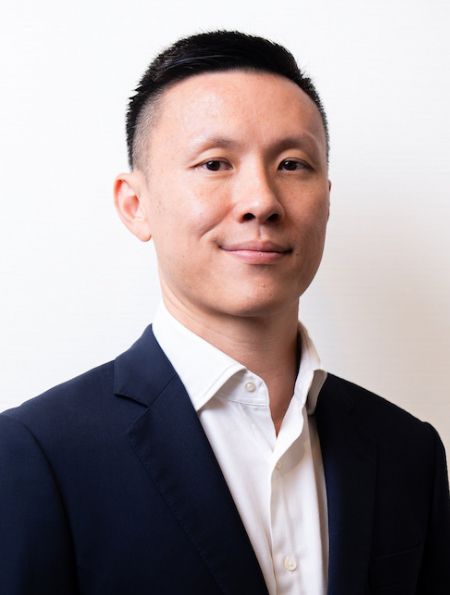
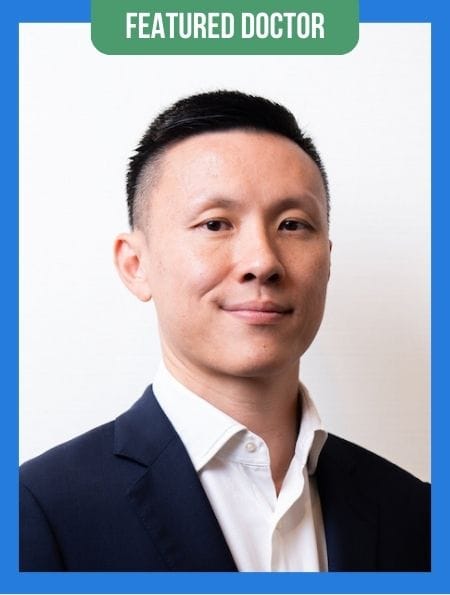
If you are experiencing persistent elbow pain or limited mobility, consulting an orthopaedic specialist can help determine whether elbow arthroscopy is needed and suitable. These specialists are experienced in both diagnosis and surgical treatment options for elbow conditions.

[SG] Featured Doctor
Featured Story
How Can You Schedule A Consultation?
If you are experiencing persistent elbow pain, stiffness, or joint mechanical issues that affect your daily life, seeking professional medical advice is an important step. You can click the WhatsApp button below to coordinate an appointment with a qualified orthopaedic surgeon specialising in joint care and minimally invasive procedures. Obtaining an accurate clinical diagnosis will help guide your treatment plan toward restoring function and improving quality of life.
What Are The Frequently Asked Questions About Elbow Arthroscopy Singapore?
What is the estimated recovery timeline after the procedure?
Recovery timelines following Elbow Arthroscopy in Singapore vary based on the condition treated, but initial wound healing takes about ten to fourteen days. Patients usually begin passive physical therapy within the first week. Restoring full function and returning to strenuous activities or sports typically requires several months of a structured rehabilitation programme overseen by an orthopaedic surgeon.
Are there specific risks associated with elbow joint surgery?
While Elbow Arthroscopy is a minimally invasive technique, potential risks include infection, bleeding, and stiffness. Due to the proximity of major nerves like the ulnar nerve to the elbow joint, temporary nerve injury is a rare complication. Surgeons use precise portal placement to safeguard these neurological structures.
How should patients prepare for this orthopaedic operation?
Preparation involves a comprehensive pre-operative evaluation, including blood tests and imaging like an MRI or X-ray. Patients must follow specific fasting instructions provided by the medical centre and arrange for a caregiver to assist them post-surgery, as the operated arm will be temporarily immobilised in a sling.