

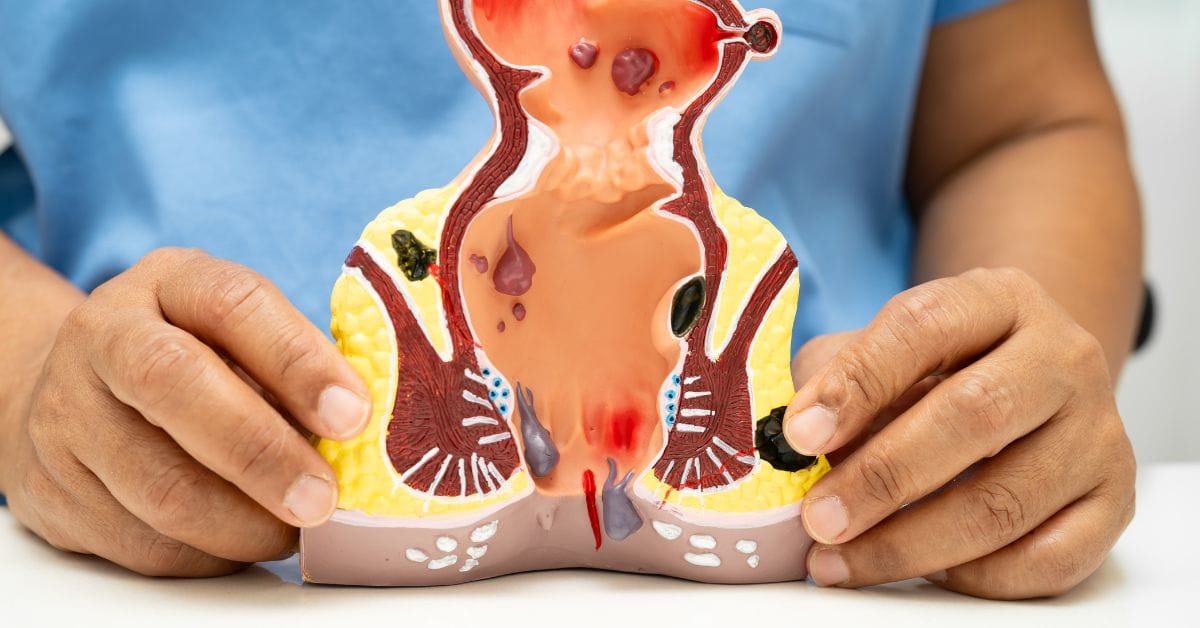
Haemorrhoids, commonly known as piles, can be a painful and disruptive condition for many Singaporeans. While lifestyle changes and traditional treatments may help mild symptoms, some cases require more advanced intervention. Among the latest options available locally, laser treatment for piles offers a minimally invasive, precision-based solution that can significantly reduce discomfort and speed up recovery — making it an increasingly popular choice in Singapore.
Back to main channel: Piles Treatment
Schedule a consultation with a specialist
What Is Laser Treatment for Piles?
Laser treatment for piles refers to procedures that use focused laser energy to shrink, seal, or remove haemorrhoidal tissue. Unlike traditional surgical excision, laser techniques aim to target piles with precision, minimise trauma to surrounding tissue, and reduce postoperative pain. There are a few approaches:
- Laser haemorrhoidoplasty (LHP): A laser fibre is placed within the haemorrhoid to coagulate and shrink it, cutting off its blood supply.
- Laser haemorrhoidectomy: Laser energy is used to excise or vaporise the piles directly.
- Laser coagulation: Laser light is applied to induce haemorrhoid shrinkage through heat and controlled scarring.
Most of these are performed as day surgery under local or general anaesthesia, and allow many patients to return home on the same day.
Typical Costs of Laser Treatment for Piles in Singapore
While specific laser treatment costs can vary widely based on the procedure and clinic, local benchmarks for haemorrhoid procedures provide a useful guide:
Surgeon and anaesthetist fees for haemorrhoid surgery typically range from S$2,200 to S$3,400 before GST. Additional consumables and equipment such as specialised laser tools may add around S$2,000–S$3,000 to the total cost.
Note: The figures above are estimates based on Singapore cost benchmarks. Speak with your specialist or hospital financial counsellor for a personalised quote and to confirm MediSave or insurance coverage.
Benefits of Laser Treatment for Piles
Laser-based procedures have several advantages for suitable candidates:
- Minimally invasive: The precision of laser energy helps limit damage to surrounding tissues.
- Reduced pain: Many patients experience less postoperative discomfort compared with traditional excisional surgery.
- Faster recovery: Most patients can resume light activities sooner and may return home the same day.
- Targeted therapy: Laser coagulation or shrinkage helps reduce bleeding and prolapse with minimal scarring.
However, the most appropriate treatment depends on your individual condition — including haemorrhoid grade, symptoms, overall health, and goals — so a consultation with a specialist is essential.
Who Should Consider Laser Treatment for Piles?
Laser procedures are typically considered for people with:
- Persistent bleeding, pain or discomfort not relieved by conservative management.
- Grade II or III haemorrhoids resistant to less invasive treatments.
- A desire for minimal downtime with effective symptom relief.
A specialist can help determine whether laser treatment is suitable for you after a comprehensive evaluation, which may include visual examination and diagnostic tests.
Colorectal Surgeons You May Consider
If you are experiencing persistent pain, bleeding or discomfort from piles, consulting a colorectal specialist is important. A professional assessment will help determine the most suitable treatment option for your condition, whether it is conservative care, laser therapy or surgery.



Dr Chong Choon Seng 张峻诚医生

[SG] Featured Doctor

Featured Story
For inquiries or an introduction to a specialist, contact us below.
Frequently Asked Questions (FAQs)
Is laser treatment for piles done under anaesthesia?
Yes, most laser piles procedures are performed under local or general anaesthesia to ensure comfort. Your doctor will advise you on the most appropriate option.
How long is the recovery after laser piles treatment?
Recovery varies by individual and procedure type, but many patients can expect to resume light daily activities within a few days, with complete healing over several weeks.
Is laser piles treatment covered by MediSave or insurance?
Some parts of the treatment may be MediSave-claimable if medically necessary, but coverage depends on your plan and the specific procedure. Check with your provider.
What are the risks of laser treatment for piles?
Risks may include bleeding, infection, pain, or recurrence of haemorrhoids. Discuss the potential complications with your specialist before treatment.
Can piles come back after laser treatment?
While laser treatment can effectively address existing haemorrhoids, lifestyle factors such as diet, hydration, and bowel habits play a role in recurrence risk.