

Dealing with piles (haemorrhoids) can be uncomfortable, painful and affect everyday life. Many Singaporeans search for gentle, effective solutions that avoid the risks and downtime associated with conventional surgery. In this article, we explore options for piles treatment without surgery available locally, including modern, minimally invasive techniques such as laser therapy that can get you back to normal activities sooner.
Whether you are struggling with bleeding, itching or prolapse, understanding your treatment options empowers you to make confident decisions about your health.
Back to main channel: Piles Treatment
Schedule a consultation with a specialist
What Are Piles (Haemorrhoids)?
Piles are swollen veins around the anus or lower rectum, similar to varicose veins. They can be internal (inside the rectum) or external (under the skin around the anus), and symptoms can range from mild irritation to pain, bleeding during bowel movements or prolapse.
While severe cases sometimes require surgery, many sufferers can find relief through non‑surgical approaches tailored to symptom severity and individual needs. Early diagnosis and management are key to preventing progression.
Common Non‑Surgical Treatments in Singapore
1. Lifestyle & Dietary Changes
Simple adjustments can have a significant impact, especially for early or mild piles:
- High‑fibre diet – increase fruits, vegetables, whole grains to soften stools.
- Hydration – drink enough water daily to prevent constipation.
- Regular exercise – improves circulation and bowel function.
- Healthy toilet habits – avoid straining or sitting too long.
These foundational changes address the underlying factors that exacerbate piles and often form the first step in management.
2. Over‑the-Counter Remedies
For mild discomfort or inflammation:
- Topical creams and ointments to soothe itching or swelling.
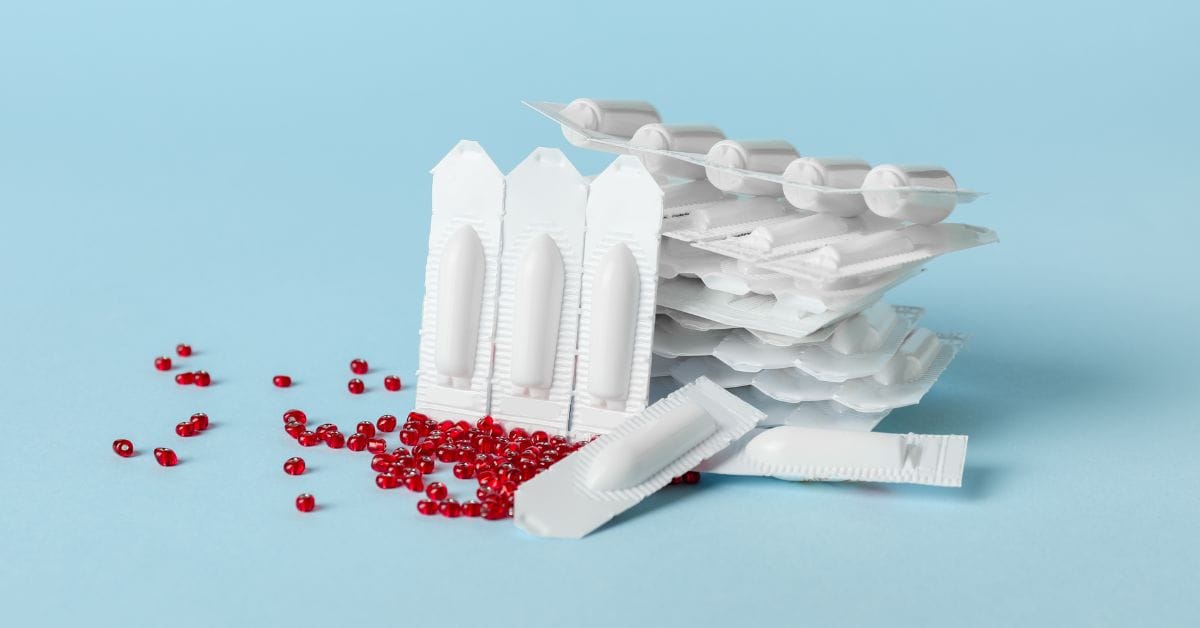
- Suppositories for internal inflammation.
- Pain relief medication if recommended by a doctor.
While these do not cure piles, they can provide symptom relief during flare-ups. Always consult a physician before long-term use.
3. Minimally Invasive Office‑Based Procedures
These treatments are performed in a clinic, require minimal downtime and are excellent options for internal or moderate piles that do not respond to conservative care.
Rubber Band Ligation (RBL)
A small band is placed around the base of the haemorrhoid to cut off its blood supply, causing it to shrink and fall off naturally within days. This is one of the most common non‑surgical piles treatments.
Sclerotherapy
A medical solution is injected into the swollen veins to shrink the haemorrhoid gradually. It is useful for smaller internal haemorrhoids.
Infrared Coagulation
Infrared light is used to seal off blood vessels feeding the piles, reducing size and symptoms with minimal discomfort.
Modern Non‑Surgical Option: Laser Treatment
Laser therapy represents one of the most modern piles treatment without surgery approaches available in Singapore. It uses focused laser energy to precisely target and reduce problematic haemorrhoidal tissue without traditional incisions.
Benefits of Laser Treatment
- Minimal tissue damage: Precise targeting spares healthy tissue.
- Less pain and bleeding: Many patients report less postoperative discomfort than with conventional surgery.
- Quick recovery: Many return to normal activities in days.
- Day procedure: Usually performed as an outpatient treatment.
Laser therapy is especially useful for moderate-grade piles that have not responded to lifestyle or office-based procedures, offering an effective alternative to traditional surgery.
What Does Non-Surgical Treatment Cost in Singapore?
The cost of piles treatment without surgery varies depending on the approach and clinic:
- Conservative or OTC treatments: From about S$10–S$100 for basic remedies.
- Minimally invasive procedures: Rubber band ligation or similar methods typically range from S$400–S$500 and above in Singapore.
- Laser and advanced therapies: Learn more in our article: Piles Laser Treatment Cost in Singapore: What to Expect
Always confirm what is included in the quoted price (consultation, procedure, follow-up care) and whether MediSave, insurance or integrated shield plans can be applied.
When Should You See a Specialist?
Non-surgical treatments are often effective, but specialist evaluation is important when:
- Symptoms persist or worsen despite conservative care.
- There is significant bleeding, prolapse or pain.
- You are unsure which treatment is right for you.
A colorectal or general surgeon with experience in minimally invasive procedures and laser therapy can help personalise your treatment plan.
Specialists You May Consider
If you are considering piles treatment without surgery, consulting a colorectal or general surgeon experienced in non-surgical and laser therapies can provide expert assessment and care plans tailored to your condition.



Dr Chong Choon Seng 张峻诚医生

[SG] Featured Doctor

Featured Story
For inquiries or an introduction to a specialist, contact us below.
Frequently Asked Questions (FAQs)
Can piles be treated without surgery?
Yes, many cases, especially mild to moderate piles, can be managed without surgery using lifestyle changes, medications, and office-based procedures. Laser therapy is also a non-surgical option for suitable cases.
How long does recovery take after non-surgical treatments?
Most minimally invasive procedures allow return to normal activities within a few days. Laser treatments may have slightly longer recovery depending on individual response.
Are non-surgical options painful?
Most non-surgical and minimally invasive options involve minimal pain. Topical anaesthesia or sedation can be used for comfort during procedures.
Will piles come back after treatment?
Recurrence can occur if underlying factors like constipation or straining are not addressed. Maintaining good bowel habits and a high-fibre diet reduces this risk.
Can I use MediSave or insurance for non-surgical treatments?
Coverage depends on the procedure and your insurance policy. Some minimally invasive treatments and laser therapy may be MediSave-claimable or partially covered by insurance — confirm with your provider.