

Piles, also known as haemorrhoids, are swollen blood vessels in the lower rectum or anus that can cause pain, bleeding, discomfort and irritation. They are common among adults in Singapore, especially those with chronic constipation, prolonged sitting, straining during bowel movements, or a low-fibre diet. Untreated symptomatic piles can affect quality of life, making timely and appropriate treatment important for long-term relief.
In this article, we explain the main piles treatment options available in Singapore, including conservative care, minimally invasive procedures such as laser treatment, and surgical approaches.
Back to main channel: Piles Treatment
Schedule a consultation with a specialist
What Are the Common Piles Treatment Options in Singapore?
1. Conservative Management
For mild piles (Grade 1–2), simple measures often help reduce symptoms without medical procedures:
- Increase dietary fibre (fruits, vegetables, whole grains).
- Stay well hydrated.
- Avoid straining during bowel movements.
- Use topical creams or suppositories as prescribed.
These methods aim to soften stools and reduce pressure on the veins.
2. Minimally Invasive Office Procedures
When lifestyle changes and medications are not enough, several minimally invasive treatments performed at specialist clinics can provide relief with quicker recovery:
Rubber Band Ligation
A small elastic band is placed at the base of the internal haemorrhoid to cut off blood flow, causing the pile to shrink and fall off. Suitable for moderate internal piles.
Sclerotherapy
A chemical solution is injected into the haemorrhoid, causing it to shrink by scar formation. Best for smaller internal piles.
Infrared or Energy-Based Treatments
These use heat or energy to create scar tissue that reduces blood flow to piles.
3. Laser Haemorrhoidoplasty (Laser Treatment)
Laser treatment is a modern, minimally invasive option that uses targeted laser energy to shrink or remove haemorrhoidal tissue. Benefits often cited include:
- Reduced post‑procedure pain and bleeding.
- Minimal tissue damage.
- Faster recovery compared to traditional surgery.
In Singapore, laser haemorrhoidoplasty can be suitable for moderate piles cases and is typically offered by colorectal specialists. Speak to a colorectal surgeon about whether this option is right for your condition.
4. Surgical Options
If piles are severe (Grade 3–4), prolapsed, thrombosed, or do not improve with the above treatments, surgical intervention may be recommended:
Conventional Haemorrhoidectomy
Traditional removal of haemorrhoids with incisions. Effective but often involves more post‑operative discomfort and longer recovery.
Stapled Haemorrhoidopexy
A circular stapling device is used to reposition prolapsed piles and cut off blood supply, generally resulting in less pain and quicker return to activity compared to conventional surgery.
Transanal Haemorrhoidal Dearterialisation (THD)
Ultrasound‑guided technique that ties off blood vessels supplying the piles, reducing symptoms while preserving tissue.
Cost of Piles Treatment in Singapore
The cost of piles treatment varies widely depending on the chosen approach, severity of the condition and healthcare provider.
Conservative & Office Procedures
- Conservative treatments are often under S$100.
- Rubber band ligation or sclerotherapy: typically around S$500.
Minimally Invasive & Laser Procedures
- Surgeon’s fees may range from around S$2,200 to S$3,400 before GST.
- Variable costs from laser equipment and facility fees can add approximately S$2,000–S$3,000 extra.
Surgical Treatment
- Surgical treatment typically costs S$2,000 to S$4,000 or more, depending on the procedure needed and the specialist.
- Total private hospital bills can extend into the several thousands depending on anaesthesia, hospital stay and other charges.
Note: MediSave and insurance plans may help cover part of the cost for medically necessary procedures. Always verify claim eligibility with your insurer or hospital financial counsellor.
Recovery and What to Expect
- Minimally invasive procedures: Many patients return to daily activities within a few days.
- Surgical treatment: Recovery may take several weeks, with pain management and stool softeners recommended to ease bowel movements.
- Follow your specialist’s post‑procedure care plan closely to minimise complications and recurrence.
Colorectal Surgeons You May Consider
If you are experiencing persistent pain, bleeding or discomfort from piles, consulting a colorectal specialist is important. A professional assessment will help determine the most suitable treatment option for your condition, whether it is conservative care, laser therapy or surgery.

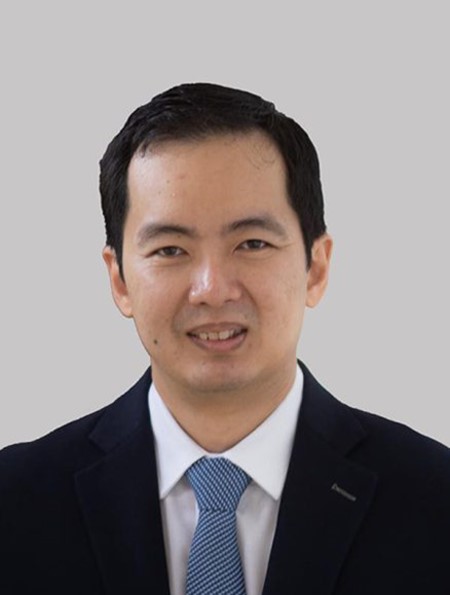


Dr Chong Choon Seng 张峻诚医生

[SG] Featured Doctor

Featured Story
For inquiries or an introduction to a specialist, contact us below.
Frequently Asked Questions (FAQs)
What symptoms of piles should prompt treatment?
Persistent pain, bleeding during bowel movements, itching or a noticeable lump around the anus are common signs that medical assessment may be needed.
Is laser treatment suitable for all piles?
Laser treatment is often recommended for moderate cases but may not be ideal for severely prolapsed or thrombosed haemorrhoids. A specialist can advise on suitability.
Can I use MediSave for piles treatment in Singapore?
Yes, medically justified procedures may be MediSave‑claimable up to certain limits. Check eligibility with your care team.
How long is the recovery after surgical piles treatment?
Recovery varies by procedure. Minimally invasive treatments often allow return to routine within days, while traditional surgery may require a longer recovery period.
Are piles treatments painful?
Pain levels vary by treatment. Minimally invasive and laser procedures tend to result in less