
Tuberculosis Treatment

Integrated Care for Complex Medical Conditions

Tuberculosis treatment is widely available in the Philippines, including access to government-supported medication programmes. However, when tuberculosis develops alongside chronic, immune-compromising conditions, management becomes significantly more complex.

For individuals living with Diabetes Mellitus, HIV infection, or autoimmune diseases such as systemic lupus erythematosus, tuberculosis treatment requires careful coordination between multiple medical specialties. Drug interactions, immune suppression, and higher risks of complications necessitate structured, specialist-led oversight.

For patients who prefer comprehensive private care, Singapore and Malaysia offer integrated models designed to manage tuberculosis together with underlying chronic conditions.

Tuberculosis in Singapore: Protecting Your Health and Your Loved Ones

Why Seek Integrated Tuberculosis Treatment?

In complex cases, the primary challenge is not the availability of anti-tuberculosis drugs, but the coordination of care between specialists. When the immune system is compromised, tuberculosis may progress more rapidly, present in atypical forms, or respond differently to standard regimens.

Diabetes Mellitus

Patients with diabetes have approximately two to three times higher risk of developing active tuberculosis compared to the general population. Poor glycaemic control can impair immune response and affect treatment outcomes. Effective management requires simultaneous optimisation of blood glucose levels alongside anti-tuberculosis therapy, often under joint supervision by infectious disease specialists and endocrinologists.

HIV Infection

Tuberculosis remains a leading cause of mortality among people living with HIV worldwide. Co-treatment with antiretroviral therapy and anti-tuberculosis medication must be carefully timed and monitored due to potential drug–drug interactions and the risk of Immune Reconstitution Inflammatory Syndrome. Specialist infectious disease expertise is essential in these cases.

Autoimmune Disorders

Patients receiving long-term corticosteroids, biologic agents, or other immunosuppressive therapies for conditions such as lupus or rheumatoid arthritis are at increased risk of reactivation of latent tuberculosis. Treatment requires balancing infection control with the safe continuation or adjustment of immunosuppressive medication.

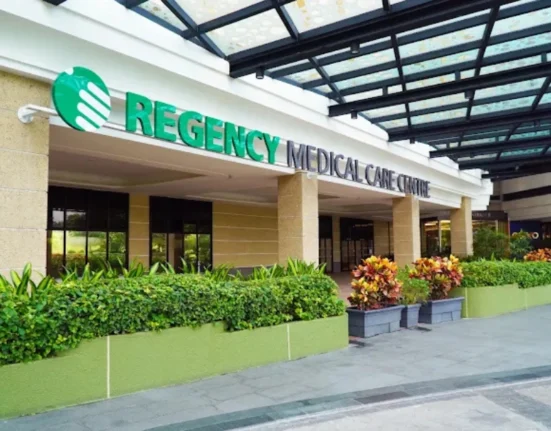
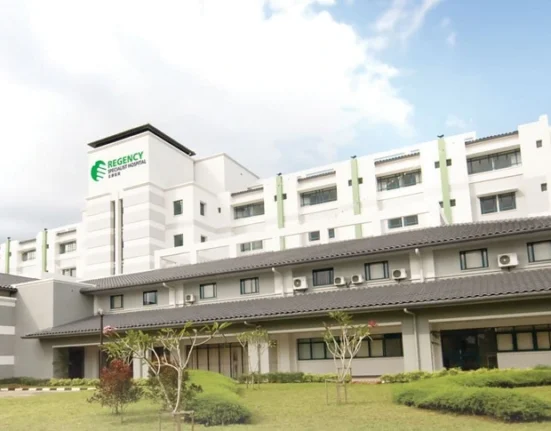
Hospitals & Medical Centres

For Filipino patients seeking private, coordinated care abroad, Singapore and Kuala Lumpur are established regional medical hubs.

In Singapore, specialised centres may work in collaboration with tertiary hospitals to provide structured, multidisciplinary tuberculosis management. Care teams may include infectious disease physicians, endocrinologists, rheumatologists, respiratory specialists, and HIV specialists.

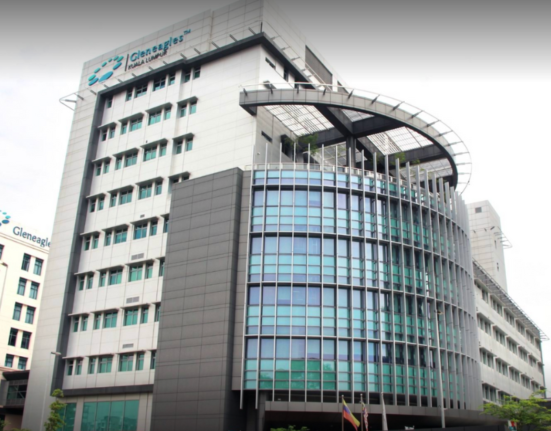
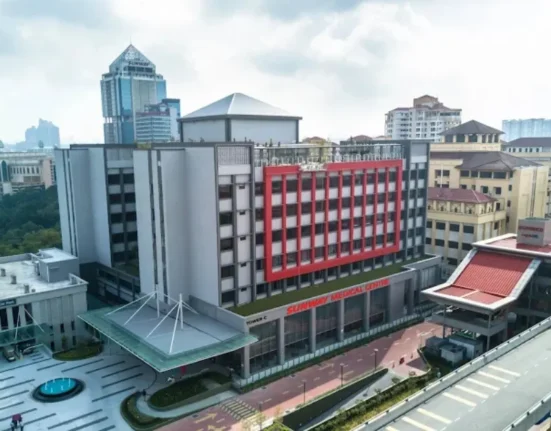
In Kuala Lumpur, leading private hospitals such as Gleneagles Hospital Kuala Lumpur and Sunway Medical Centre provide integrated specialist services within a single facility, offering coordinated consultations and consolidated treatment planning.

Advantages of Regional Integrated Care

Clinical Integration

Multidisciplinary teams manage tuberculosis alongside co-morbid conditions within one healthcare system, reducing fragmentation and minimising conflicting prescriptions.

Advanced Diagnostics

Access to rapid molecular testing, culture and drug susceptibility testing, and high-resolution imaging supports early detection of extrapulmonary tuberculosis affecting the brain, spine, lymph nodes, or other organs. Such presentations are more common in immunocompromised patients.

Structured Drug-Resistant Tuberculosis Management

Both Singapore and Malaysia follow national tuberculosis control frameworks aligned with World Health Organization guidelines, with specialist centres equipped to manage multidrug-resistant cases under strict protocols.

Dedicated International Patient Services

Private hospitals in both countries typically provide international patient centres that assist with appointment coordination, travel arrangements, accommodation guidance, and discharge planning for continuation of care in the Philippines.

Find by 365Asia

Find A Doctor

If you are managing a chronic condition and require specialised tuberculosis treatment, consultation with an Infectious Disease Specialist is recommended. A comprehensive review of your medical history, current medication, and diagnostic findings will allow the team to design a unified treatment strategy tailored to your condition.

    View more specialists on Find by 365Asia.

    Book an appointment for Tuberculosis Treatment or to consult a Specialist. Contact us via the button below.

    Featured Financial Advisers

    Loading...
    Powered by Find by 365Asia

    Koh Hui Ling

    Singapore, Singapore

    Melissa Mok

    Singapore, Singapore

    [SG] Featured Doctor

    Dr Lee Lip Seng

    Featured Story

    Gallbladder Scans: Polyps, Cysts & When To Worry

    FAQs

    Diabetes can impair immune response and affect the body’s ability to control infection. Poor glycaemic control has been associated with delayed sputum conversion and increased risk of relapse. Close monitoring of blood glucose and medication response is therefore essential.

    Yes. Concurrent treatment is standard practice. However, timing and regimen selection must be carefully managed to minimise drug interactions and reduce the risk of Immune Reconstitution Inflammatory Syndrome. Specialist supervision is required.

    Singapore is often selected for highly complex or tertiary-level cases, with structured infectious disease centres and strict national protocols. Malaysia, particularly Kuala Lumpur, offers comprehensive private care at comparatively lower costs, while maintaining strong clinical standards.

    Drug-sensitive tuberculosis is typically treated for a minimum of six months. In cases involving co-morbidities or drug-resistant strains, treatment may extend to nine months or longer depending on specialist assessment.

    Most patients remain overseas during the initial intensive phase of treatment to ensure stability and tolerance of medication. Once clinically stable and non-infectious, continuation therapy may be coordinated with doctors in the Philippines, with scheduled reviews as necessary.