

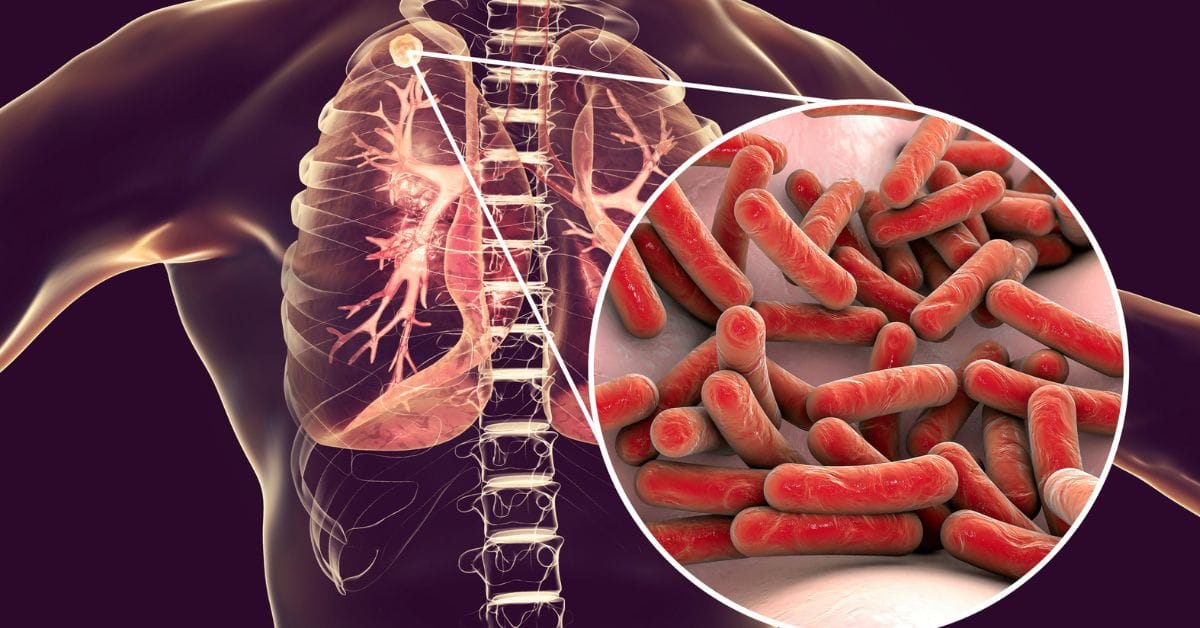
Tuberculosis (TB) remains a notifiable infectious disease in Singapore. Understanding the symptoms, risk factors and treatment process is essential for early detection and effective management.
In Singapore, tuberculosis is managed under national public health regulations to ensure timely diagnosis, appropriate treatment and contact tracing when necessary.
Back to main channel: Tuberculosis Treatment
Schedule a consultation with a specialist
What Is Tuberculosis?
Tuberculosis is an infectious disease caused by the bacterium Mycobacterium tuberculosis. It most commonly affects the lungs (pulmonary TB), but it can also involve other parts of the body such as the lymph nodes, spine, kidneys, or brain. This is referred to as extrapulmonary TB.
There are two recognised states of TB infection:
Latent TB Infection
The bacteria are present in the body but remain inactive. The individual has no symptoms and is not contagious. However, there is a lifetime risk of the infection becoming active, particularly if the immune system weakens.
Active TB Disease
The bacteria multiply and cause symptoms. When TB affects the lungs or throat, it can spread to others through airborne droplets released during coughing, sneezing, or speaking.
Common Symptoms to Watch For
TB symptoms can be gradual and may initially resemble other respiratory conditions. Medical evaluation is recommended if symptoms persist for more than two to three weeks.
Key symptoms of active pulmonary TB include:
- Persistent cough lasting more than two to three weeks
- Coughing up blood or sputum
- Chest discomfort
- Unexplained weight loss
- Loss of appetite
- Persistent fatigue
- Night sweats
- Low-grade fever
Not all patients experience every symptom. In extrapulmonary TB, symptoms depend on the organ affected.
Risk Factors in Singapore
While anyone can develop TB, certain groups are at increased risk:
- Individuals with weakened immune systems, including those living with HIV or poorly controlled diabetes
- Patients receiving immunosuppressive therapy (e.g. long-term steroids or biologics)
- Elderly individuals
- Close contacts of a person diagnosed with active pulmonary TB
- Individuals who have lived or worked in high-TB prevalence settings
Singapore conducts structured contact tracing to reduce community transmission.
Diagnosis and Modern Treatment
Early detection is central to effective TB control.
In Singapore, diagnosis may involve:
- Chest X-ray
- Sputum smear microscopy and culture
- Molecular testing for rapid detection
- Interferon-Gamma Release Assay (IGRA) blood test (primarily for latent TB)
- Mantoux (tuberculin skin) test
If active TB is confirmed, treatment typically involves a combination of antibiotics taken for at least six months. The standard first-line regimen for drug-sensitive TB usually includes multiple medications during an intensive phase followed by a continuation phase.
Singapore implements Directly Observed Treatment (DOT) in many public healthcare settings. Under DOT, healthcare providers supervise medication intake to ensure adherence and reduce the risk of treatment failure or drug resistance.
Failure to complete treatment can lead to drug-resistant tuberculosis, including multidrug-resistant TB (MDR-TB), which requires longer and more complex therapy.
Legal and Public Health Requirements
Tuberculosis is a legally notifiable disease under Singapore’s Infectious Diseases Act.
All confirmed cases must be reported to the national health authorities. This enables:
- Monitoring of treatment adherence
- Contact tracing
- Screening of close contacts
- Prevention of further transmission
Patients with infectious pulmonary TB may be required to undergo medical leave or isolation during the initial phase of treatment until they are assessed to be non-infectious.
Specialists You May Consider
Management of tuberculosis may involve:
- Infectious Disease Specialists
- Respiratory Physicians
- Public health TB clinics
- Endocrinologists (for patients with diabetes)
- HIV specialists (for co-infection cases)
Care in Singapore is structured and evidence-based, with treatment protocols aligned to international guidelines.
Find A Doctor
For enquiries or for an introduction to a specialist, contact us below.
Frequently Asked Questions (FAQs)
1. Is tuberculosis still present in Singapore?
Yes. Tuberculosis remains endemic in Singapore, although incidence rates are significantly lower than in many high-burden countries. New cases are reported annually, and continued vigilance is necessary.
2. Can I continue working or attending school if diagnosed with TB?
Patients with active pulmonary TB are usually placed on medical leave during the initial phase of treatment. Once effective treatment has begun and a doctor confirms that the patient is no longer infectious, return to work or school may be permitted.
3. Does the BCG vaccine prevent tuberculosis completely?
Most Singaporeans receive the Bacille Calmette-Guérin (BCG) vaccine at birth. The vaccine helps protect young children against severe forms of TB, such as TB meningitis, but it does not provide complete or lifelong protection against pulmonary TB in adults.
4. How are close contacts screened?
Close contacts may undergo a Mantoux test or IGRA blood test to detect latent infection. A chest X-ray may also be performed to rule out active disease. Screening is part of Singapore’s national TB control strategy.
5. Is tuberculosis treatment expensive in Singapore?
At public healthcare institutions, significant government subsidies are available for Singapore Citizens and Permanent Residents. Costs vary for foreign nationals and private care. Treatment for drug-sensitive TB is generally standardised, while drug-resistant cases require more extensive and prolonged therapy.