

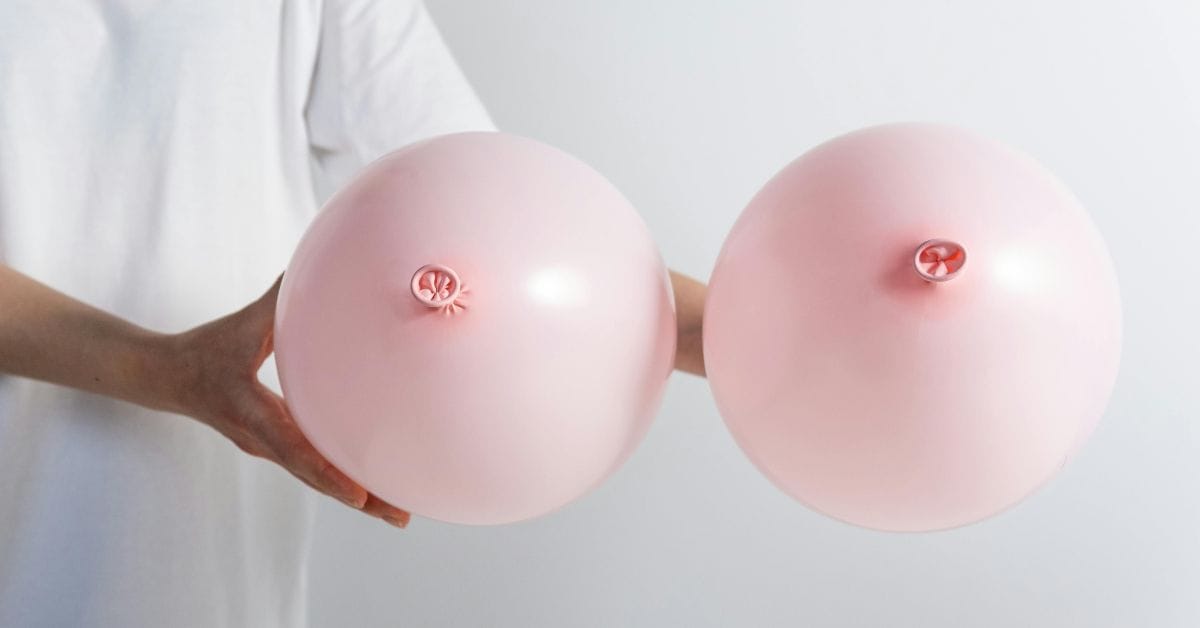
Persistent or spontaneous nipple discharge can be distressing and may affect daily confidence and peace of mind. While many cases are linked to benign breast conditions such as duct ectasia or intraductal papilloma, some patients may require surgery for definitive diagnosis and treatment.
In Singapore, total duct excision is a commonly performed breast surgery used to investigate and treat abnormal nipple discharge, particularly when multiple ducts are involved or symptoms continue despite conservative management.
Back to main channel: Nipple Discharge Treatment & Diagnosis
Schedule a consultation with a specialist
What Is Total Duct Excision?
Total duct excision, also known as Hadfield’s procedure, is a surgical procedure that removes the major milk ducts beneath the nipple.
Unlike a microdochectomy, which removes a single affected duct, total duct excision removes multiple central ducts to address persistent or recurrent nipple discharge and to allow laboratory examination of the tissue.
Your breast specialist may recommend total duct excision if you:
- Experience spontaneous nipple discharge from multiple ducts
- Have bloody or persistent nipple discharge
- Have recurrent symptoms despite previous treatment
- No longer intend to breastfeed
- Require further investigation to exclude underlying breast disease
Although many causes of nipple discharge are non-cancerous, surgical assessment may be advised when symptoms are persistent, unilateral, or associated with abnormal imaging findings.
What Conditions Can Total Duct Excision Help Diagnose?
Total duct excision may help diagnose or treat conditions such as:
- Intraductal papilloma
- Duct ectasia
- Chronic duct inflammation
- Recurrent breast infections
- Suspicious or abnormal ductal changes
The removed tissue is sent for histological examination to determine the underlying cause.
Total Duct Excision Cost in Singapore
The cost of total duct excision in Singapore can vary depending on factors such as the hospital, complexity of the procedure, surgeon’s experience, and whether additional investigations or pathology tests are required.
In private healthcare settings, the estimated total cost of a total duct excision procedure may range from approximately S$10,000 to S$20,000.
The different costs to consider for total duct excision may include:
| Cost Component | What It Covers |
|---|---|
| Surgeon’s Fee | Surgical expertise, consultation, and procedure-related care |
| Anaesthetist’s Fee | Administration and monitoring of general anaesthesia |
| Hospital Facility Fees | Operating theatre usage, nursing care, and recovery facilities |
| Pathology and Laboratory Fees | Examination and analysis of removed duct tissue |
| Medication and Medical Supplies | Post-operative medication, dressings, and surgical consumables |
Singaporeans and Permanent Residents may be eligible to use MediSave and applicable Integrated Shield Plan coverage, subject to eligibility, claim limits, and policy terms. Patients are encouraged to seek financial counselling from the hospital or insurer before undergoing surgery.
What Happens During the Procedure?
In Singapore, total duct excision is commonly performed in a private hospital or day surgery centre.
Anaesthesia
The surgery is typically performed under general anaesthesia so the patient remains asleep and comfortable throughout the procedure.
Surgical Incision
The surgeon usually makes a small incision along the border of the areola, known as a periareolar incision. This approach helps minimise visible scarring.
Removal of Milk Ducts
The affected central milk ducts beneath the nipple are carefully removed while preserving the surrounding breast tissue as much as possible.
Closure
The wound is closed using sutures, and a dressing is applied. Many patients are discharged on the same day, although some may stay overnight depending on recovery and medical needs.
Recovery After Total Duct Excision
Recovery is generally straightforward for most patients.
Many individuals can return to light daily activities or office-based work within several days, although recovery times may differ between patients.
During recovery, patients may experience:
- Mild swelling or bruising
- Temporary discomfort around the nipple area
- Temporary numbness or altered nipple sensation
Most symptoms improve gradually over time.
Patients are usually advised to:
- Avoid strenuous upper-body exercise for approximately two to four weeks
- Keep the surgical area clean and dry
- Attend follow-up appointments for wound review and pathology discussion
Because the central milk ducts are removed, breastfeeding from the affected breast is generally no longer possible after the procedure.
Are There Risks Associated With Total Duct Excision?
As with all surgical procedures, total duct excision carries some potential risks and complications, including:
- Bleeding or haematoma
- Infection
- Delayed wound healing
- Changes in nipple sensation
- Scarring
- Rare complications affecting nipple blood supply
Your breast specialist will discuss the potential risks, benefits, and suitability of surgery based on your individual condition.
Specialist You May Consider
Choosing an experienced breast specialist is important when considering surgery for persistent nipple discharge or other breast concerns. A qualified specialist can assess your symptoms, arrange appropriate imaging or investigations, and discuss whether total duct excision may be suitable for your condition.


[SG] Featured Doctor

Featured Story
For inquiries or for an introduction to a specialist, contact us below:
Frequently Asked Questions (FAQs)
1. Is total duct excision the same as microdochectomy?
No. A microdochectomy removes a single affected milk duct, while total duct excision removes multiple central ducts beneath the nipple.
2. Will total duct excision affect breastfeeding?
Yes. Because the major milk ducts are removed, breastfeeding from the treated breast is generally no longer possible after surgery.
3. Is nipple discharge always a sign of breast cancer?
No. Many cases of nipple discharge are caused by benign conditions such as duct ectasia or intraductal papilloma. However, persistent, bloody, or spontaneous discharge should be medically evaluated.
4. How long does recovery take after total duct excision?
Most patients recover within a few weeks. Light activities may usually resume within several days, while strenuous activities should generally be avoided for two to four weeks.
5. Can MediSave be used for total duct excision in Singapore?
In many cases, MediSave may be used for eligible surgical procedures, subject to Ministry of Health regulations and withdrawal limits. Patients should confirm eligibility with their healthcare provider and insurer.