

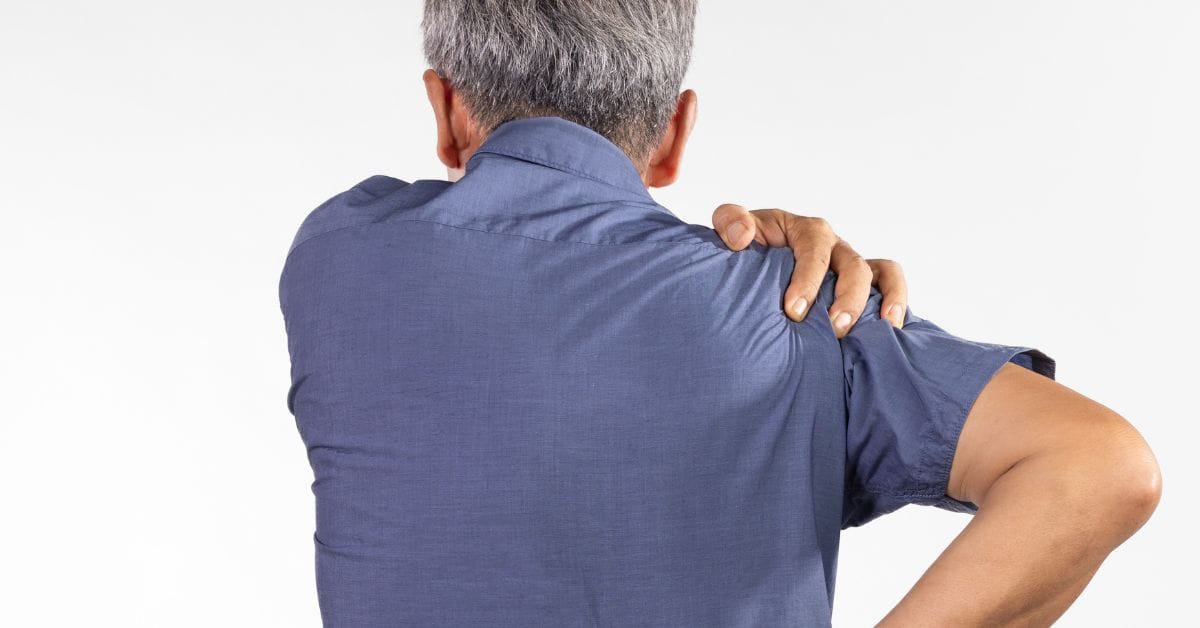
Shoulder pain can significantly impact daily activities, from lifting objects to sleeping comfortably. One of the common causes of persistent shoulder pain is a torn rotator cuff, which may require surgical intervention when conservative treatments fail. Shoulder arthroscopy for rotator cuff repair is a minimally invasive procedure that allows surgeons to repair damaged tendons with precision and reduced recovery time.
In this article, we explore the treatment options, procedure details, recovery process, costs, and considerations for shoulder arthroscopy rotator cuff repair in Singapore and the surrounding region.
Back to main channel: Shoulder Pain Treatment
Schedule a consultation with an Orthopaedic Surgeon
What is Shoulder Arthroscopy for Rotator Cuff Repair?
Shoulder arthroscopy is a minimally invasive surgical technique used to examine and treat problems inside the shoulder joint. For rotator cuff tears, the procedure involves:
- Making small incisions around the shoulder.
- Inserting a tiny camera (arthroscope) to visualise the joint.
- Using specialised instruments to repair torn tendons.
This method reduces surgical trauma compared with open surgery, typically resulting in faster recovery, less scarring, and lower risk of complications.
Who May Need Rotator Cuff Repair?
Rotator cuff tears can result from acute injuries, repetitive overhead movements, or degenerative changes due to ageing. Individuals who may benefit from shoulder arthroscopy include:
- Those with persistent shoulder pain unresponsive to physiotherapy.
- Patients experiencing weakness or loss of range of motion in the shoulder.
- Athletes or professionals whose work requires repetitive arm movements.
- Individuals with complete tendon tears detected on imaging studies.
A thorough assessment by an orthopaedic or shoulder specialist is necessary to determine the appropriate treatment.
Treatment Options Before Surgery
Not all rotator cuff tears require surgical repair. Non-surgical management often includes:
- Physiotherapy: Structured exercises to strengthen shoulder muscles and improve range of motion.
- Anti-inflammatory medication: Reduces pain and swelling.
- Corticosteroid injections: Used in cases of severe inflammation for temporary relief.
If these methods fail to restore function or relieve pain, shoulder arthroscopy may be considered.
The Shoulder Arthroscopy Procedure
Shoulder arthroscopy is usually performed under general anaesthesia and may involve the following steps:
- Preparation and anaesthesia: The shoulder area is sterilised, and the patient is sedated.
- Small incisions: Typically 2–3 small incisions are made.
- Arthroscopic repair: The surgeon uses the arthroscope to locate the tear and suture the torn tendon back to the bone using anchors.
- Closure and dressing: Incisions are closed and dressed.
The procedure usually lasts 1–2 hours depending on tear complexity.
Recovery After Shoulder Arthroscopy Rotator Cuff Repair
Recovery is a gradual process and includes:
- Immobilisation: The arm is typically placed in a sling for 4–6 weeks.
- Physiotherapy: Gentle range-of-motion exercises start soon after surgery, progressing to strength training over 3–6 months.
- Return to normal activities: Most patients can resume light daily activities within 6–8 weeks, with full recovery taking up to 6 months.
Compliance with post-operative rehabilitation is critical for optimal outcomes.
Cost of Shoulder Arthroscopy Rotator Cuff Repair in Singapore And Malaysia
The cost of shoulder arthroscopy for rotator cuff repair in Singapore and Malaysia varies depending on the complexity of the tear, hospital fees, and surgeon charges.
Learn more: Shoulder Arthroscopy Cost: Singapore Vs Malaysia
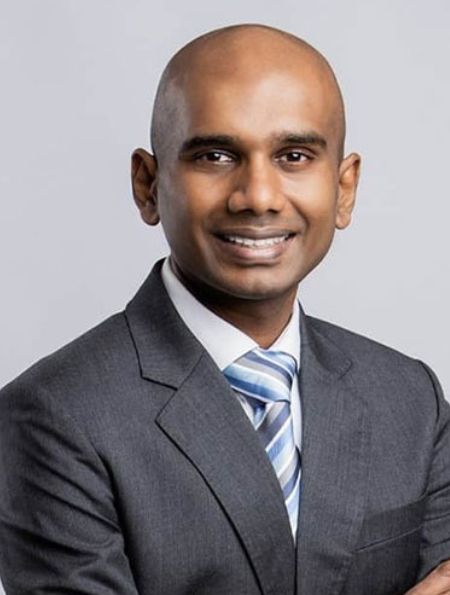
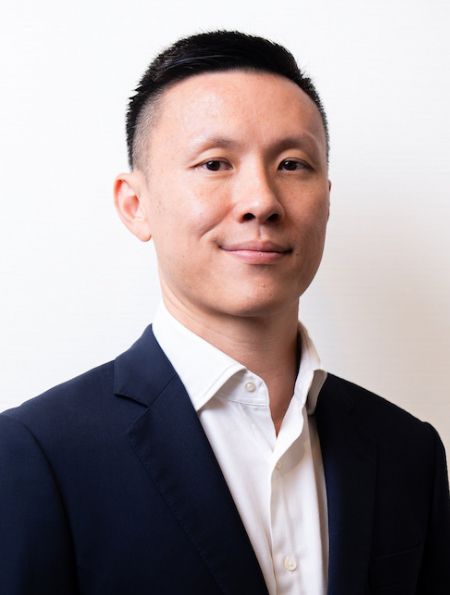
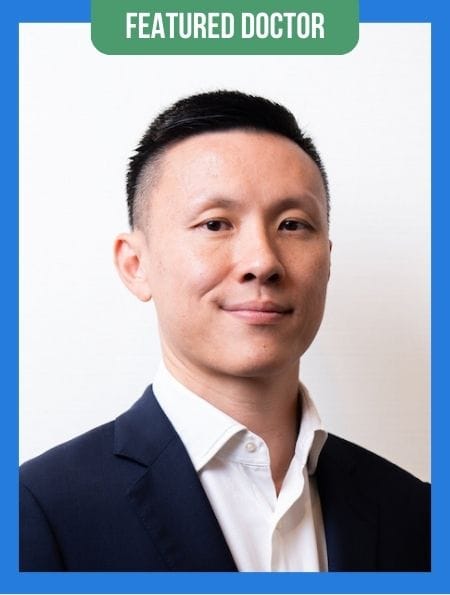
Specialist You May Consider
A shoulder or orthopaedic specialist can provide a detailed assessment and recommend the most appropriate treatment.

[SG] Featured Doctor
Featured Story
For enquiries or for an introduction to an Orthopaedic Specialist, contact us below.
Frequently Asked Questions (FAQs)
Is shoulder arthroscopy painful?
Pain is managed with anaesthesia during the procedure and post-operative pain relief. Most patients experience moderate discomfort, which improves with physiotherapy and medication.
How long will I need physiotherapy after surgery?
Physiotherapy typically lasts 3–6 months, starting with gentle range-of-motion exercises and progressing to strength training.
What are the risks of shoulder arthroscopy?
Complications are uncommon but may include infection, stiffness, or incomplete tendon healing. A qualified specialist minimises these risks.
Can I return to sports after rotator cuff repair?
Return to non-contact sports is generally possible after 4–6 months. High-impact or overhead sports may require longer recovery.
How soon should I consider surgery?
If shoulder pain persists after 3–6 months of non-surgical management or if there is significant weakness or tendon tear, consultation with a specialist is recommended.