


Shoulder arthroscopy is a minimally invasive surgical procedure used to diagnose and treat problems within the shoulder joint. Using a small camera called an arthroscope, surgeons can view the inside of the shoulder and perform corrective procedures through tiny incisions. This technique often results in reduced pain, quicker recovery, and smaller scars compared to traditional open surgery.
Back to main channel: Shoulder Pain Treatment
Schedule a consultation with an Orthopaedic Surgeon
Common Conditions Treated with Shoulder Arthroscopy
Shoulder arthroscopy can address a variety of conditions, including:
- Rotator cuff tears – Partial or complete tears in the tendons that stabilise the shoulder.
- Shoulder impingement syndrome – When tendons or bursa in the shoulder are compressed, causing pain and limited mobility.
- Labral tears – Damage to the cartilage around the shoulder socket.
- Frozen shoulder (adhesive capsulitis) – Stiffness and reduced range of motion in the shoulder joint.
- Shoulder instability – Often resulting from dislocations or repeated injury.
- Removal of loose bodies – Small fragments of bone or cartilage that cause pain or catching.
By addressing these conditions, shoulder arthroscopy can help restore mobility, reduce pain, and improve overall function of the shoulder.
The Shoulder Arthroscopy Procedure
The procedure is typically performed under general anaesthesia. Surgeons make small incisions around the shoulder to insert the arthroscope and specialised instruments. Through these incisions, they can:
- Repair torn tendons or ligaments.
- Remove inflamed tissue or bone spurs.
- Smooth cartilage or repair labral tears.
The procedure usually takes 1–2 hours, depending on the complexity of the condition. Patients often experience less post-operative pain and shorter hospital stays compared to open surgery.
Recovery After Shoulder Arthroscopy
Recovery varies depending on the procedure performed and the patient’s overall health. Typically:
- Immediate post-surgery: The shoulder may be immobilised with a sling for a few days to weeks.
- Physical therapy: Rehabilitation is crucial for restoring strength and range of motion. Therapy may last 6–12 weeks.
- Return to normal activities: Light daily activities can usually resume within a few weeks, while strenuous activities may take a few months.
Adhering to the rehabilitation plan and following your specialist’s advice is essential for optimal recovery.
Shoulder Arthroscopy Cost in Singapore
The cost of shoulder arthroscopy can vary depending on the hospital, surgeon, and complexity of the procedure. For more details, you may refer to our article on shoulder arthroscopy cost in Singapore.
Shoulder Arthroscopy Cost: Singapore Vs Malaysia
Specialists You May Consider
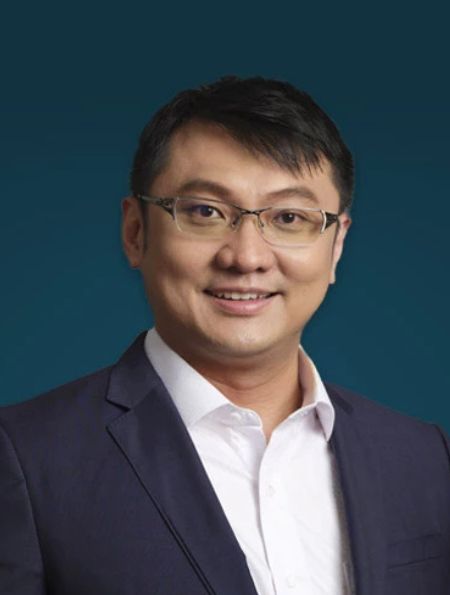
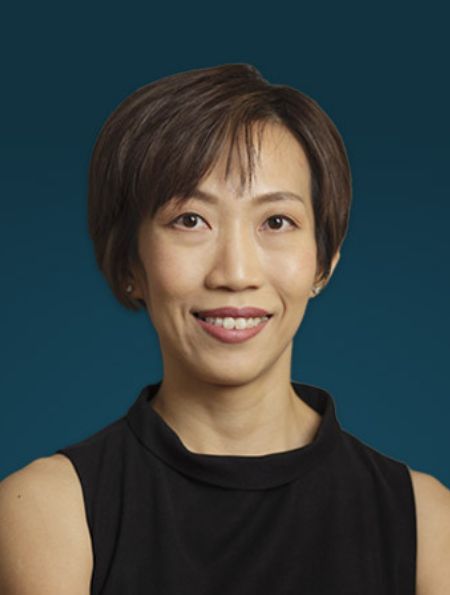
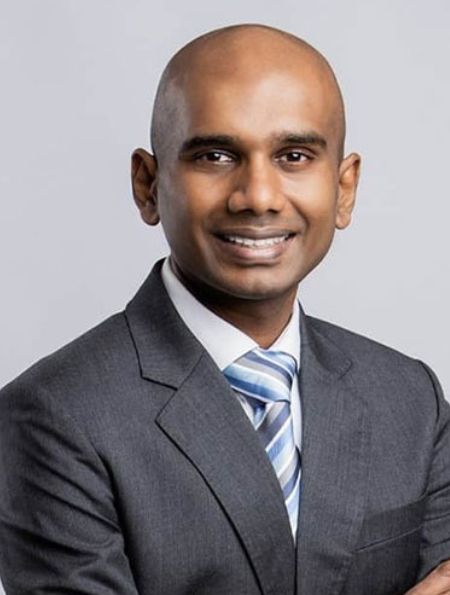
If you are experiencing persistent shoulder pain or limited mobility, consulting an orthopaedic or shoulder specialist can help determine whether shoulder arthroscopy is suitable. These specialists are experienced in both diagnosis and surgical treatment options for shoulder conditions.

[SG] Featured Doctor
Featured Story
For enquiries or for an introduction to an Orthopaedic Specialist, contact us below.
Frequently Asked Questions (FAQs)
Is shoulder arthroscopy a major surgery?
Shoulder arthroscopy is considered minimally invasive compared to traditional open surgery, resulting in smaller incisions, less pain, and faster recovery.
How long does shoulder arthroscopy take?
The procedure usually lasts between 1 to 2 hours, depending on the complexity of the condition being treated.
What is the recovery time after shoulder arthroscopy?
Most patients can resume light daily activities within a few weeks, while full recovery and return to strenuous activities may take 2–3 months.
Are there risks associated with shoulder arthroscopy?
As with any surgery, there are risks including infection, nerve injury, stiffness, or incomplete symptom relief. A specialist will discuss these risks before the procedure.
Can I undergo shoulder arthroscopy if I have other medical conditions?
Many patients with controlled medical conditions can undergo shoulder arthroscopy. Your specialist will assess your overall health to ensure the procedure is safe.