
What Is A Sleeve Gastrectomy?
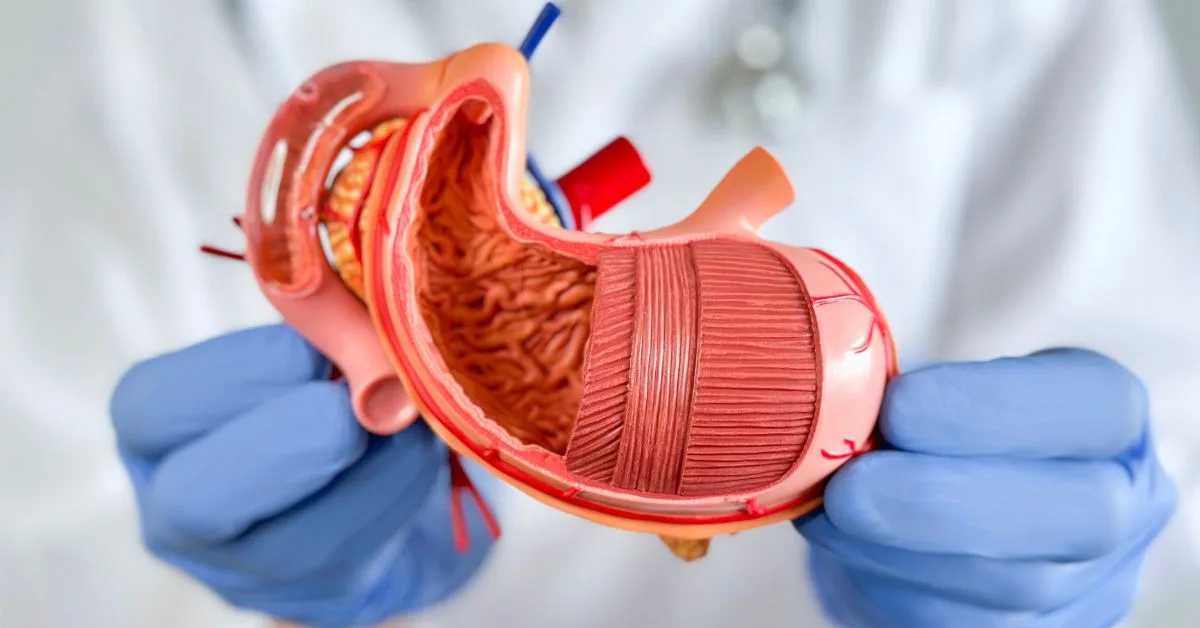
A sleeve gastrectomy—clinically known as a laparoscopic vertical sleeve gastrectomy—is a highly effective bariatric surgical procedure designed to induce significant, sustainable weight loss and permanently improve metabolic health. During the operation, a board-certified bariatric surgeon removes approximately 80% of the stomach, leaving a narrow, tube-like “sleeve” about the size of a banana.
This procedure functions through two primary mechanisms:
- Restriction: It physically reduces the stomach’s capacity, limiting the amount of food that can be consumed.
- Metabolic Alteration: It removes the fundus of the stomach, the area responsible for producing ghrelin (the “hunger hormone”). This significantly decreases appetite and improves insulin resistance, playing a crucial role in reversing metabolic syndromes like type 2 diabetes.
In South Korea, the sleeve gastrectomy is the most frequently performed bariatric procedure, renowned for its excellent safety profile, rapid recovery times, and striking clinical outcomes.
Sleeve Gastrectomy in Seoul
South Korea is recognised globally for its highly structured advanced metabolic healthcare and bariatric surgery systems. Seoul operates under strict medical regulations monitored by the Ministry of Health and Welfare (MOHW). Clinics and university medical centres treating international patients must hold specific accreditations, ensuring they comply with rigorous standards of patient safety, transparent pricing, and robust surgical infection control protocols. Consequently, medical tourists benefit from a regulated environment that prioritises clinical precision and structured multidisciplinary post-operative care.
What Are the Surgical Approaches Used in Seoul?
Bariatric surgeons in Seoul utilise state-of-the-art, minimally invasive techniques tailored to individual anatomical requirements:
- Laparoscopic Sleeve Gastrectomy: The gold standard approach. The surgeon operates through several small incisions (typically 0.5 to 1.5 cm) using a laparoscope (a tiny camera) and specialised surgical instruments, ensuring minimal scarring and rapid healing.
- Single-Incision Laparoscopic Surgery (SILS): An advanced technique where the entire procedure is performed through a single small incision hidden within the umbilicus (belly button), offering virtually scarless aesthetic results.
- Robotic-Assisted Sleeve Gastrectomy: Utilises robotic surgical platforms (such as the da Vinci system) to provide the surgeon with 3D high-definition vision and enhanced dexterity. This is particularly beneficial for complex anatomies or patients with severe super-obesity (BMI > 50).
Who Is A Suitable Candidate For A Sleeve Gastrectomy?
A clinical consultation with a bariatric surgeon is strongly recommended if you meet the established international medical criteria for bariatric surgery:
- You have a Body Mass Index (BMI) over 35, regardless of other health conditions.
- You have a BMI over 30 accompanied by severe obesity-related comorbidities, such as poorly controlled type 2 diabetes, hypertension, severe obstructive sleep apnoea, or non-alcoholic fatty liver disease (NAFLD).
- You have made multiple documented attempts to lose weight through supervised diet and exercise programmes without long-term success.
- You are committed to making permanent, lifelong changes to your nutritional habits, exercise routine, and medical follow-up schedules.
What Are The Costs Of Pre-Operative Consultation & Diagnostics?
Thorough clinical screening, cardiopulmonary evaluation, and metabolic profiling are vital for surgical safety and optimal outcomes. Below are the estimated costs for consultations and diagnostics in Seoul:
| Screening / Diagnostic Test | Function & Description | Estimated Cost (Private Sector) |
| Specialist Bariatric Consultation | Comprehensive assessment of surgical risk, BMI, and metabolic history by a board-certified surgeon. | KRW 50,000 – KRW 150,000 (Often waived if surgery is booked) |
| Pre-Op Bariatric Workup (Blood & Imaging) | Mandatory comprehensive blood panels, coagulation profile, chest X-ray, and abdominal ultrasound. | KRW 200,000 – KRW 400,000 |
| Cardiopulmonary & Endoscopic Clearance | ECG, pulmonary function test, and an upper endoscopy (gastroscopy) to rule out severe hiatal hernias or active ulcers. | KRW 250,000 – KRW 500,000 |
| Nutritional & Psychological Evaluation | Consultations with a clinical dietitian and sometimes a psychologist to ensure mental and nutritional readiness. | KRW 100,000 – KRW 200,000 |
Disclaimer: The above estimates are for premier medical centres in Seoul in 2026. Prices will vary depending on the facility and the inclusion of multilingual concierge or translation services. Please check directly with your chosen healthcare provider for up-to-date pricing.
Which Doctor For A Sleeve Gastrectomy?
A sleeve gastrectomy is a major metabolic intervention that requires a coordinated, highly skilled medical team to ensure precision and safety:
- Board-Certified Bariatric Surgeon: Your primary specialist must hold certification from the Korean Society of Bariatric and Metabolic Surgery (KSBMS) or the Korean Surgical Society. They possess comprehensive training in advanced minimally invasive gastrointestinal surgery.
- Board-Certified Anaesthesiologist: Accredited hospitals employ dedicated in-house anaesthesiologists experienced in managing the unique airway and physiological challenges associated with severe obesity.
- Clinical Dietitian: Essential for guiding patients through the crucial post-operative dietary transition phases to prevent nutritional deficiencies.
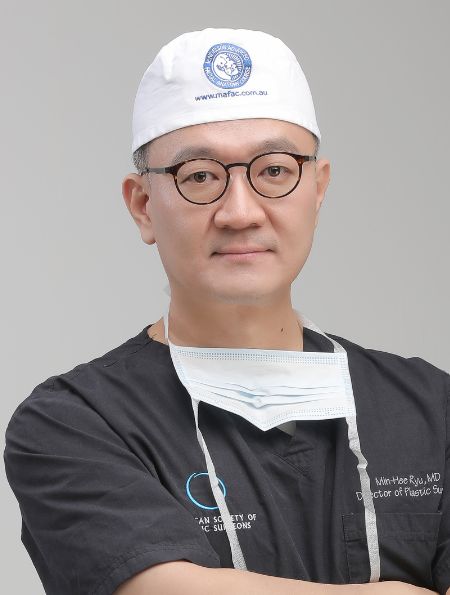
Preferred Doctors in Seoul
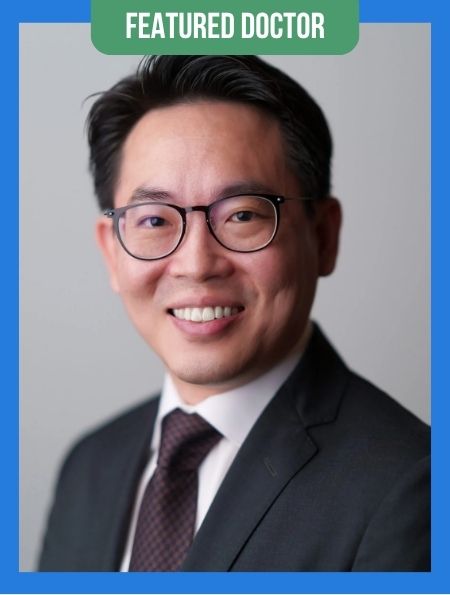
[SG] Featured Doctor

Featured Story
Which Hospitals And Medical Centres Provide Sleeve Gastrectomies?
Seoul features specialised bariatric medical centres and world-renowned university hospital surgical divisions designed to accommodate complex metabolic cases and international patients. Prominent institutions—such as Asan Medical Center, Samsung Medical Center, Gangnam Severance Hospital, Severance Hospital and Seoul St. Mary’s Hospital—offer state-of-the-art facilities.
These centres provide robust Intensive Care Units (ICUs) for emergency backup, advanced robotic operating theatres, and in-house multilingual coordinators. These institutions are highly equipped to manage patients requiring complex multidisciplinary metabolic oversight, ensuring the highest echelon of surgical safety.
What Is The Cost Of A Sleeve Gastrectomy In Seoul?
Surgical fees in Seoul vary depending on the specific surgical approach (laparoscopic vs. robotic), the length of hospital stay, and the operating facility.
| Treatment / Procedure | Clinical Description | Estimated Cost (KRW)* | Estimated Cost (USD)* |
| Laparoscopic Sleeve Gastrectomy | The standard minimally invasive approach removing 80% of the stomach. | ₩10,000,000 – ₩14,000,000 | $7,500 – $10,500 |
| Robotic-Assisted Sleeve Gastrectomy | Utilises a robotic surgical platform for enhanced 3D precision during the resection. | ₩14,000,000 – ₩18,000,000 | $10,500 – $13,500 |
| Revision Bariatric Surgery | Converting a previous gastric band or sleeve to a bypass due to complications or weight regain. | ₩15,000,000 – ₩22,000,000 | $11,250 – $16,500 |
Disclaimer: Prices listed are estimates only and do not constitute a fixed quote. This typically includes the surgeon’s fee, anaesthesia, and a 2 to 4-day inpatient stay. Actual costs may vary based on individual anatomical needs and potential ICU requirements. A formal cost breakdown is provided following a comprehensive clinical assessment.
Recovery & Adaptation
Understanding the physiological recovery and dietary transition timeline helps international patients plan travel and long-term habits:
| Recovery Phase | Timeline | Patient Action & Clinical Milestones |
| Inpatient Recovery | Days 1 – 4 | Patients remain in the hospital for monitoring, pain management, and leak testing. Patients must begin walking immediately to prevent blood clots. Clear liquid diet begins. |
| Early Dietary Transition | Weeks 1 – 2 | Transition from clear liquids to a full liquid diet (e.g., protein shakes, thin broths). Incisions begin to heal; avoid heavy lifting. |
| Pureed & Soft Foods | Weeks 3 – 5 | Gradual introduction of pureed foods, followed by soft solids (e.g., scrambled eggs, soft fish). Patients often return to desk jobs. |
| Solid Foods & Exercise | Weeks 6+ | Introduction of regular, portion-controlled solid foods. Focus must be on chewing thoroughly and prioritizing protein. Cleared for strenuous cardiovascular and weight-training exercises. |
| Maximum Weight Loss | Months 12 – 18 | The period of most rapid and significant weight loss. Metabolic conditions like type 2 diabetes often go into remission during this phase. |
Risks And Potential Side Effects
While laparoscopic sleeve gastrectomy is a highly safe and routine procedure in South Korea, all major surgeries carry potential clinical risks:
- Staple Line Leaks: A rare but serious complication where digestive fluids leak from the surgical staple line along the new stomach, requiring immediate medical intervention.
- Gastroesophageal Reflux Disease (GERD): The altered stomach shape can cause or worsen acid reflux in some patients.
- Vitamin & Mineral Deficiencies: Because the stomach is smaller, patients must commit to taking bariatric-specific multivitamins for life to prevent deficiencies in iron, calcium, and B12.
- Strictures or Narrowing: A narrowing of the new stomach sleeve that can cause vomiting and may require endoscopic dilation.
- General Surgical Risks: Bleeding, infection, or deep vein thrombosis (DVT), which are heavily mitigated by strict hospital protocols and early post-operative mobilisation.
Selecting a KSBMS board-certified surgeon and adhering closely to post-operative dietary and vitamin regimens significantly reduces these risks.
Insurance And Financing Considerations
For Korean citizens, the National Health Insurance Service (NHIS) heavily subsidises bariatric surgery if the patient meets strict clinical criteria (BMI > 35, or BMI > 30 with severe comorbidities).
For international medical tourists, standard private travel or health insurance policies typically exclude elective bariatric surgery. However, if the surgery is deemed medically necessary to treat life-threatening obesity or severe diabetes, some premium international health policies may offer partial coverage. Patients must consult their insurance providers directly before travelling.
Value-Added Tax (VAT) Refunds
If the procedure is classified strictly as a medical treatment for obesity (disease code), it may not be subject to VAT. However, if classified differently, the South Korean government’s Value-Added Tax (VAT) refund programme may apply. Eligible international patients receiving qualifying treatments at MOHW-registered medical centres can claim an approximate 7% to 8% tax rebate. Refunds are processed at airport customs desks.
Frequently Asked Questions (FAQs)
1. Why is Seoul a leading destination for bariatric surgery?
Seoul is globally recognised for its exceptionally low surgical complication rates, advanced robotic surgical technology, and the deep clinical expertise of its KSBMS-certified surgeons. Medical centres maintain strict patient safety protocols and offer comprehensive concierge care tailored to international visitors.
2. How long should international patients stay in Seoul after a sleeve gastrectomy?
Patients are generally advised to remain in Seoul for 10 to 14 days following surgery. This duration allows for a 3 to 4-day hospital stay, sufficient time for preliminary healing, wound monitoring, a follow-up consultation with your surgeon, and medical clearance before boarding an international flight.
3. Is a sleeve gastrectomy reversible?
No. Because 80% of the stomach is permanently removed from the body, a sleeve gastrectomy cannot be reversed. However, if a patient experiences severe acid reflux or insufficient weight loss, the sleeve can be surgically converted into a gastric bypass.
4. Will I have loose skin after losing weight?
Massive weight loss often results in excess, sagging skin, particularly around the abdomen, arms, and thighs. Depending on your age and skin elasticity, many patients choose to undergo post-bariatric body contouring (performed by a plastic surgeon) 12 to 18 months after their sleeve gastrectomy when their weight has stabilised.
5. How can patients manage post-operative follow-up after returning home?
Accredited medical centres in Seoul provide comprehensive discharge documentation, surgical reports, and lifetime nutritional guidelines in English. Many clinics conduct scheduled telehealth consultations and will coordinate with your local primary care physician or local bariatric team for long-term blood work monitoring.
Contact Us
If you are planning primary bariatric surgery, seeking a second opinion for severe metabolic syndrome, or exploring complex revision surgery, we can help arrange a consultation with top bariatric surgeons in Seoul. Contact us via the button below.we can help arrange a consultation with top bariatric specialists in Seoul. Contact us via the button below.
Additional Resources
- Korean Society for Metabolic and Bariatric Surgery (KSMBS).
- Ministry of Health and Welfare (MOHW) | Medical Tourism Accreditation.
- International Federation for the Surgery of Obesity and Metabolic Disorders (IFSO) | Patient Safety Standards
- Joint Commission International (JCI).