
What Are GLP-1 Weight-Loss Injections?
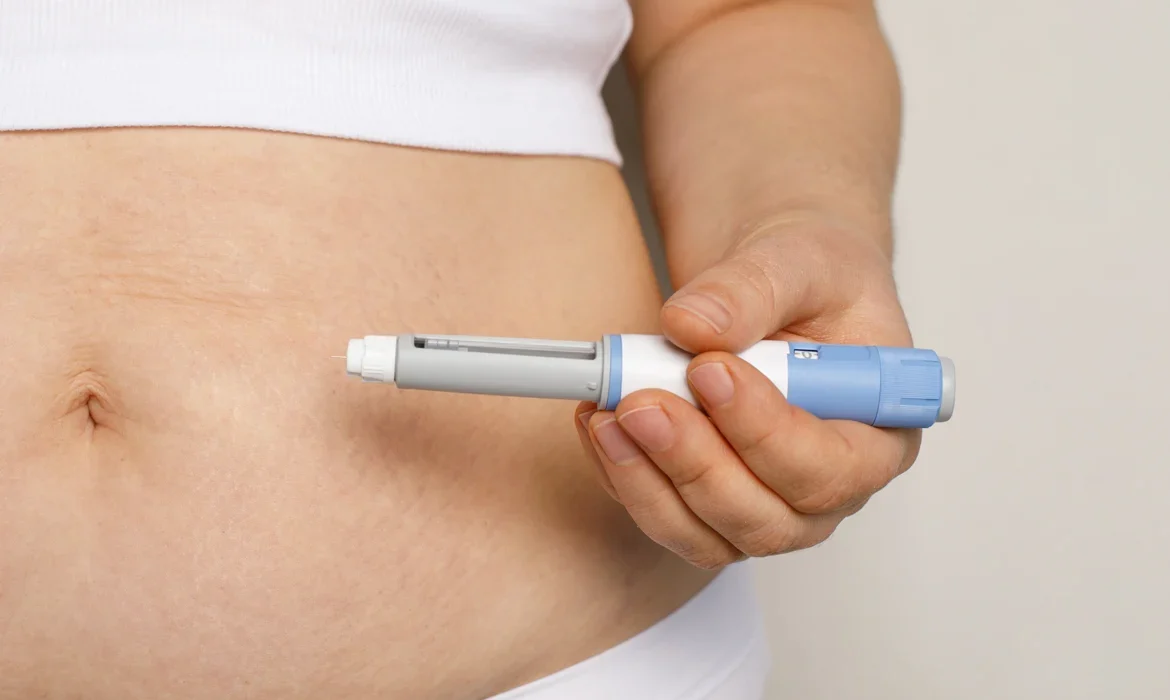
GLP-1 weight-loss injections—clinically known as Glucagon-Like Peptide-1 receptor agonists (such as Saxenda, Wegovy, and Ozempic)—represent an advanced pharmacological class of treatments designed to manage clinical obesity, improve insulin resistance, and support sustainable metabolic health. These prescription medications mimic the natural incretin hormone, which stimulates insulin secretion, delays gastric emptying, and signals satiety centres in the brain to reduce overall appetite.
In South Korea, pharmacological weight management has advanced rapidly, integrating cutting-edge metabolic research with personalised clinical care. It encompasses both therapeutic management of obesity-related comorbidities (such as type 2 diabetes, hypertension, and obstructive sleep apnoea) and supervised aesthetic body weight reduction.
GLP-1 Weight-Loss Injections in Seoul
South Korea is recognised globally for its structured aesthetic healthcare and metabolic medicine systems. Seoul operates under strict medical regulations monitored by the Ministry of Health and Welfare (MOHW). Clinics and university medical centres treating international patients must hold specific accreditations, ensuring they comply with rigorous standards of patient safety, transparent pricing, and robust pharmacological governance. Consequently, patients benefit from a highly regulated environment that prioritises clinical precision, endocrinological safety, and structured follow-up monitoring.
What Are the Types of GLP-1 Protocols Used in Seoul?
Metabolic specialists and endocrinologists in Seoul provide several tailored pharmacological protocols depending on individual patient profiles:
- Daily Subcutaneous Injectables (e.g., Liraglutide / Saxenda): Administered daily to assist with blood glucose control and daily appetite management, making it an effective introductory option for supervised weight loss.
- Weekly Subcutaneous Injectables (e.g., Semaglutide / Wegovy & Ozempic): Advanced once-weekly formulations designed to achieve sustained appetite suppression and significant, long-term glycaemic and metabolic improvements.
- Combination Pharmacotherapy: Integrating GLP-1 receptor agonists with targeted nutritional therapeutics and lifestyle interventions to address root metabolic dysfunction.
- Customised Titration Protocols: Gradual dosage escalation regimens supervised by board-certified endocrinologists to minimise gastrointestinal side effects and optimise patient tolerance.
Who Is A Suitable Candidate For GLP-1 Weight-Loss Injections?
A clinical consultation with a metabolic specialist is recommended if you:
- Struggle with clinical obesity (Body Mass Index [BMI] of 30 or higher, or a BMI of 27 with weight-related comorbidities).
- Have experienced recurrent weight regain following conventional diet and exercise programmes alone.
- Require structured medical weight management to mitigate metabolic syndromes, insulin resistance, or type 2 diabetes.
- Need expert clinical guidance to determine which specific GLP-1 receptor agonist best aligns with your biological profile and metabolic goals.
- Seek a second opinion regarding the integration of pharmacological weight loss with post-weight loss body contouring.
What Are The Costs Of Pre-Operative Consultation & Diagnostics?
Thorough clinical screening, blood panels, and metabolic evaluations are vital for safe and effective pharmacological outcomes. Below are the estimated costs for consultations and diagnostics in Seoul, based on private healthcare sector data:
| Screening / Diagnostic Test | Function & Description | Estimated Cost (Private Sector) |
| Specialist Endocrinology Consultation | Comprehensive assessment of metabolic rate, hormonal profile, and obesity history by a board-certified specialist. | KRW 50,000 – KRW 150,000 (Often waived if ongoing prescription programmes are booked) |
| Comprehensive Metabolic Panel (CMP) | Evaluates baseline liver function, renal health, electrolyte balance, and fasting blood glucose. | KRW 60,000 – KRW 150,000 |
| HbA1c & Fasting Insulin Assay | Assesses long-term glycaemic control and underlying insulin resistance. | KRW 40,000 – KRW 100,000 |
| Thyroid Function Test (TSH, Free T4) | Rules out secondary endocrine causes of weight gain (e.g., hypothyroidism). | KRW 50,000 – KRW 120,000 |
Disclaimer: The above estimates are for premier medical centres in Seoul in 2026. Prices will vary depending on the facility and the inclusion of multilingual concierge or translation services. Please check directly with your chosen healthcare provider for up-to-date pricing.
Which Doctor For GLP-1 Weight-Loss Injections?
Administering GLP-1 receptor agonists requires specialized medical oversight to manage titration schedules and monitor metabolic responses:
- Board-Certified Endocrinologists & Obesity Specialists: Your primary specialists should hold active certifications from esteemed bodies such as the Korean Society for the Study of Obesity (KSSO). They possess deep expertise in hormonal pathways, insulin resistance, and pharmacological safety.
- Multidisciplinary Clinical Teams: Leading institutions provide coordinated care involving internal medicine physicians, clinical nutritionists, and specialized nursing staff to support patients throughout their injection cycles.
Preferred Doctors




Which Hospitals And Medical Centres Provide GLP-1 Treatments?
Seoul features specialised metabolic clinics and university hospital endocrinology divisions. Prominent medical institutions in Gangnam, Songpa, and Seocho—such as Asan Medical Center, Samsung Medical Center, Gangnam Severance Hospital, Severance Hospital, and Seoul National University Hospital—are fully equipped to manage complex metabolic patients.
These centres provide advanced diagnostic laboratories, sterile pharmaceutical dispensaries, and in-house multilingual coordinators. Furthermore, university medical centres manage high-complexity metabolic evaluations and patients with severe endocrine disorders.
What Is The Cost Of GLP-1 Treatments In Seoul?
Pharmacological costs in Seoul vary depending on the specific medication brand, dosage strength, and prescribing medical facility:
| Treatment / Prescription Protocol | Clinical Description | Estimated Cost (KRW)* | Estimated Cost (USD)* |
| Saxenda (Liraglutide) Monthly Supply | Daily subcutaneous injection pens for appetite and glycaemic control. | ₩300,000 – ₩500,000 | $225 – $375 |
| Wegovy (Semaglutide) Monthly Supply | Once-weekly advanced subcutaneous injection pen for sustained weight reduction. | ₩400,000 – ₩800,000 | $300 – $600 |
| Comprehensive Clinical Follow-Up | Periodic metabolic blood testing and dosage titration consultation. | ₩70,000 – ₩150,000 per session | $50 – $115 |
Disclaimer: Prices listed are estimates only and do not constitute a fixed pharmaceutical quote. Actual costs vary based on international supply chains, prescribed dosages, and clinic-administered aftercare packages.
Recovery & Adaptation Timeline
Understanding the physiological adaptation phase helps patients manage expectations and travel schedules:
| Adaptation Phase | Timeline | Patient Action & Clinical Milestones |
| Initial Initiation | Weeks 1 – 2 | Administer the starting low dose. Mild transient gastrointestinal symptoms (such as mild nausea or bloating) may occur as the body adjusts. Maintain adequate hydration. |
| Dose Titration | Weeks 3 – 8 | Gradually increase dosage under medical supervision. Appetite suppression becomes more pronounced, and initial measurable weight reduction is observed. |
| Maintenance Phase | Months 3 – 6 | Stabilise on the optimal therapeutic dose. Integrate consistent nutritional adjustments and cardiovascular exercise to maximise fat loss. |
| Long-Term Evaluation | Months 6+ | Review metabolic panels (HbA1c, lipid profile) with your endocrinologist to evaluate total weight reduction and plan ongoing maintenance or tapering. |
Risks And Potential Side Effects
While FDA-approved GLP-1 receptor agonists are clinically proven and generally safe when supervised, patients should be aware of potential side effects:
- Gastrointestinal Symptoms: Mild to moderate nausea, vomiting, diarrhoea, constipation, or indigestion, which typically subside as the body adapts to dosage increases.
- Fatigue or Headaches: Temporary low-energy sensations during the initial weeks of caloric reduction and metabolic transition.
- Injection Site Reactions: Minor bruising, redness, or itching at the subcutaneous injection site.
- Rare Clinical Risks: Pancreatitis or gallbladder issues, which are screened for during pre-treatment diagnostic evaluations by board-certified specialists.
Partnering with a KSSO-certified endocrinologist and adhering strictly to prescribed titration schedules significantly mitigates these risks.
Insurance And Financing Considerations
Elective pharmacological weight management and cosmetic anti-obesity treatments are generally not covered by the South Korean National Health Insurance Service (NHIS) unless prescribed explicitly for diagnosed type 2 diabetes under strict national criteria. International medical tourists should verify whether their private international health insurance or corporate wellness policies cover overseas prescription therapeutics.
Value-Added Tax (VAT) Refunds
The South Korean government supports visiting medical tourists through a Value-Added Tax (VAT) refund programme. Eligible international patients receiving qualifying medical consultations and treatments at MOHW-registered medical centres can claim a tax rebate. Refunds can be processed directly at airport customs desks or designated urban tax-refund kiosks.
Frequently Asked Questions (FAQs)
1. Why is Seoul a leading destination for metabolic medicine?
Seoul is globally recognised for its advanced endocrinological research, high concentration of board-certified specialists, and rigorous hospital safety protocols. Medical centres offer comprehensive, technologically advanced metabolic assessments tailored to international patients.
2. How long do international patients need to stay in Seoul for GLP-1 prescriptions?
Initial consultations, diagnostic blood work, and the first prescription can typically be completed within a 3 to 5-day visit. Many accredited clinics coordinate follow-up telehealth consultations and arrange secure international pharmaceutical shipping or multi-month supplies where legally permitted.
3. Will GLP-1 injections cause permanent changes to my metabolism?
GLP-1 receptor agonists regulate appetite and improve insulin sensitivity while you are actively taking them. Long-term weight maintenance depends on combining pharmacotherapy with sustainable nutritional habits and regular exercise.
4. Can GLP-1 treatments be combined with aesthetic body contouring?
Yes. Many patients in Seoul combine GLP-1 pharmacotherapy with non-invasive body contouring or post-weight loss aesthetic procedures (such as those offered by plastic surgery centres) to refine their final silhouette.
5. How can international patients verify a doctor’s credentials in Seoul?
You can verify a specialist’s clinical credentials through official channels, including the Korean Society for the Study of Obesity (KSSO), the Korean Endocrine Society, and the Ministry of Health and Welfare (MOHW) accredited medical institution directory.
Contact Us
If you are planning an early medical intervention for weight management, seeking a second opinion, or exploring a structured GLP-1 prescription programme, we can help arrange a consultation with top metabolic specialists in Seoul. Contact us via the button below.
Additional Resources
- Korean Society for the Study of Obesity (KSSO)
- Endocrine Society Guidelines on Pharmacological Obesity Management
- Ministry of Health and Welfare (MOHW), Republic of Korea — Medical Tourism