

What Is A Gastric Bypass?
A gastric bypass—clinically known as a Roux-en-Y Gastric Bypass (RYGB)—is a highly advanced, “gold standard” bariatric surgical procedure designed to induce significant, sustainable weight loss and rapidly reverse severe metabolic syndromes.
The procedure functions through two powerful mechanisms:
- Restriction: A board-certified bariatric surgeon creates a small pouch at the top of the stomach (about the size of a walnut), significantly restricting the volume of food that can be consumed.
- Malabsorption & Metabolic Alteration: The surgeon then divides the small intestine and connects the new, smaller stomach pouch directly to the lower segment of the intestine. This reroutes the digestive tract, bypassing the remainder of the stomach and the upper portion of the small intestine. This not only decreases calorie and nutrient absorption but also triggers profound hormonal changes that suppress appetite and rapidly improve insulin resistance.
In South Korea, gastric bypass surgery is frequently recommended for patients with severe clinical obesity, particularly those suffering from uncontrolled type 2 diabetes or severe, chronic acid reflux (GERD).
Gastric Bypass in Seoul
South Korea is recognised globally for its highly structured advanced metabolic healthcare and bariatric surgery systems. Seoul operates under strict medical regulations monitored by the Ministry of Health and Welfare (MOHW). Clinics and university medical centres treating international patients must hold specific accreditations, ensuring they comply with rigorous standards of patient safety, transparent pricing, and robust surgical infection control protocols. Consequently, medical tourists benefit from a regulated environment that prioritises clinical precision and structured multidisciplinary post-operative care.
What Are the Surgical Approaches Used in Seoul?
Bariatric surgeons in Seoul utilise state-of-the-art, minimally invasive techniques to execute complex digestive rerouting:
- Laparoscopic Roux-en-Y Gastric Bypass: The standard approach. The surgeon operates through several small incisions (typically 0.5 to 1.5 cm) using a laparoscope (a tiny camera) and specialised surgical instruments, ensuring minimal scarring and rapid healing compared to traditional open surgery.
- Robotic-Assisted Gastric Bypass: Utilises robotic surgical platforms (such as the da Vinci system) to provide the surgeon with 3D high-definition vision and enhanced suturing dexterity. This is highly beneficial for the intricate intestinal connections (anastomoses) required during a bypass.
- Mini-Gastric Bypass (OAGB): A variation of the traditional bypass that involves a longer stomach pouch and a single intestinal connection (anastomosis) rather than two. It is technically simpler and often results in similar weight loss, though a surgeon must evaluate if it is appropriate for your anatomy.
Who Is A Suitable Candidate For A Gastric Bypass?
A clinical consultation with a bariatric surgeon is strongly recommended if you meet the established international medical criteria for bariatric surgery:
- You have a Body Mass Index (BMI) over 35, regardless of other health conditions.
- You have a BMI over 30 accompanied by severe obesity-related comorbidities, particularly poorly controlled type 2 diabetes, severe hypertension, or severe obstructive sleep apnoea.
- You suffer from severe Gastroesophageal Reflux Disease (GERD) or a hiatal hernia, as a bypass provides excellent anatomical relief for acid reflux (unlike a sleeve gastrectomy).
- You require a revision bariatric surgery due to inadequate weight loss or complications from a previous gastric band or sleeve gastrectomy.
What Are The Costs Of Pre-Operative Consultation & Diagnostics?
Thorough clinical screening, cardiopulmonary evaluation, and metabolic profiling are vital for surgical safety during this complex procedure. Below are the estimated costs for consultations and diagnostics in Seoul:
| Screening / Diagnostic Test | Function & Description | Estimated Cost (Private Sector) |
| Specialist Bariatric Consultation | Comprehensive assessment of surgical risk, BMI, and metabolic history by a board-certified surgeon. | KRW 50,000 – KRW 150,000 (Often waived if surgery is booked) |
| Pre-Op Bariatric Workup (Blood & Imaging) | Mandatory comprehensive blood panels, coagulation profile, chest X-ray, and abdominal ultrasound. | KRW 200,000 – KRW 400,000 |
| Cardiopulmonary & Endoscopic Clearance | ECG, pulmonary function test, and an upper endoscopy (gastroscopy) to evaluate esophageal and gastric health. | KRW 250,000 – KRW 500,000 |
| Nutritional & Psychological Evaluation | Consultations with a clinical dietitian and sometimes a psychologist to ensure mental and nutritional readiness for lifelong malabsorption management. | KRW 100,000 – KRW 200,000 |
Disclaimer: The above estimates are for premier medical centres in Seoul in 2026. Prices will vary depending on the facility and the inclusion of multilingual concierge or translation services. Please check directly with your chosen healthcare provider for up-to-date pricing.
Which Doctor For A Gastric Bypass?
A gastric bypass is a major metabolic intervention involving intestinal rerouting. It requires a coordinated, highly skilled medical team to ensure precision and safety:
- Board-Certified Bariatric Surgeon: Your primary specialist must hold certification from the Korean Society of Bariatric and Metabolic Surgery (KSBMS) or the Korean Surgical Society. They possess comprehensive training in advanced minimally invasive gastrointestinal surgery.
- Board-Certified Anaesthesiologist: Accredited hospitals employ dedicated in-house anaesthesiologists experienced in managing the unique airway and physiological challenges associated with severe obesity during longer surgical procedures.
- Clinical Dietitian: Essential for guiding patients through the crucial post-operative dietary transition phases and managing lifelong micronutrient supplementation.
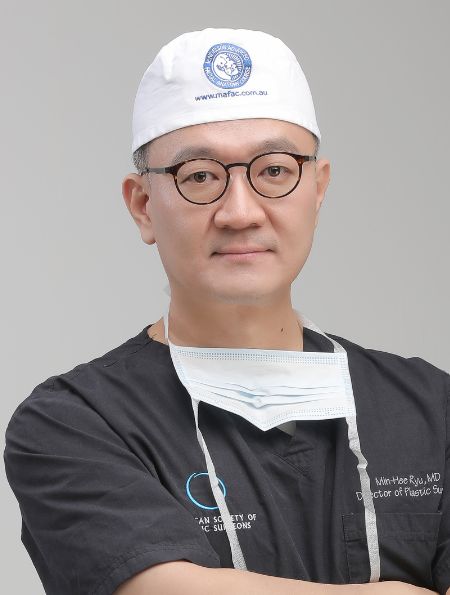
Preferred Doctors in Seoul

[SG] Featured Doctor

Featured Story
Which Hospitals And Medical Centres Provide Gastric Bypasses?
Seoul features specialised bariatric medical centres and world-renowned university hospital surgical divisions designed to accommodate complex metabolic cases and international patients. Prominent institutions—such as Asan Medical Center, Samsung Medical Center, Gangnam Severance Hospital, Severance Hospital and Seoul St. Mary’s Hospital—offer state-of-the-art facilities.
These centres provide robust Intensive Care Units (ICUs) for emergency backup, advanced robotic operating theatres, and in-house multilingual coordinators. These institutions are highly equipped to manage patients requiring complex multidisciplinary metabolic oversight, ensuring the highest echelon of surgical safety during intestinal rerouting.
What Is The Cost Of A Gastric Bypass In Seoul?
Surgical fees in Seoul vary depending on the specific surgical approach (laparoscopic vs. robotic), the length of hospital stay, and the operating facility.
| Treatment / Procedure | Clinical Description | Estimated Cost (KRW)* | Estimated Cost (USD)* |
| Laparoscopic Roux-en-Y Gastric Bypass | The standard minimally invasive approach for stomach reduction and intestinal rerouting. | ₩12,000,000 – ₩16,000,000 | $9,000 – $12,000 |
| Robotic-Assisted Gastric Bypass | Utilises a robotic surgical platform for enhanced 3D precision during complex intestinal suturing. | ₩16,000,000 – ₩20,000,000 | $12,000 – $15,000 |
| Revision Bariatric Surgery | Converting a previous gastric band or sleeve to a bypass due to complications or severe acid reflux. | ₩15,000,000 – ₩22,000,000 | $11,250 – $16,500 |
Disclaimer: Prices listed are estimates only and do not constitute a fixed quote. This typically includes the surgeon’s fee, anaesthesia, and a 3 to 5-day inpatient stay. Actual costs may vary based on individual anatomical needs and potential ICU requirements. A formal cost breakdown is provided following a comprehensive clinical assessment.
Recovery & Adaptation
Understanding the physiological recovery and dietary transition timeline helps international patients plan travel and long-term habits:
| Recovery Phase | Timeline | Patient Action & Clinical Milestones |
| Inpatient Recovery | Days 1 – 5 | Patients remain in the hospital for monitoring, pain management, and leak testing via imaging. Patients must begin walking immediately to prevent blood clots. Clear liquid diet begins. |
| Early Dietary Transition | Weeks 1 – 2 | Transition from clear liquids to a full liquid diet (e.g., protein shakes, thin broths). Incisions begin to heal; avoid heavy lifting. |
| Pureed & Soft Foods | Weeks 3 – 5 | Gradual introduction of pureed foods, followed by soft solids. Patients must eat very slowly to avoid “Dumping Syndrome” (nausea/dizziness from food entering the intestine too quickly). |
| Solid Foods & Exercise | Weeks 6+ | Introduction of regular, portion-controlled solid foods. Focus must be on chewing thoroughly and prioritizing protein. Cleared for strenuous cardiovascular and weight-training exercises. |
| Maximum Weight Loss | Months 12 – 18 | The period of most rapid and significant weight loss. Metabolic conditions like type 2 diabetes often go into complete remission during this phase. |
Risks And Potential Side Effects
While laparoscopic gastric bypass is a highly safe and routine procedure in South Korea, all major surgeries involving intestinal rerouting carry potential clinical risks:
- Dumping Syndrome: Nausea, sweating, and dizziness caused by eating foods high in sugar or fat that empty too rapidly into the small intestine. This is managed strictly through dietary choices.
- Vitamin & Mineral Deficiencies: Because the intestine is bypassed, malabsorption of iron, calcium, and B12 is common. Patients must commit to taking bariatric-specific multivitamins for life to prevent osteoporosis or anaemia.
- Staple Line Leaks: A rare but serious complication where digestive fluids leak from the intestinal connections (anastomoses), requiring immediate medical intervention.
- Bowel Obstruction or Internal Hernias: Rare complications resulting from scar tissue or the rerouted intestines twisting.
- General Surgical Risks: Bleeding, infection, or deep vein thrombosis (DVT), which are heavily mitigated by strict hospital protocols and early post-operative mobilisation.
Selecting a KSBMS board-certified surgeon and adhering closely to post-operative dietary and lifelong vitamin regimens significantly reduces these risks.
Insurance And Financing Considerations
For Korean citizens, the National Health Insurance Service (NHIS) heavily subsidises bariatric surgery if the patient meets strict clinical criteria (BMI > 35, or BMI > 30 with severe comorbidities like type 2 diabetes).
For international medical tourists, standard private travel or health insurance policies typically exclude elective bariatric surgery. However, if the surgery is deemed medically necessary to treat life-threatening obesity or severe, uncontrolled diabetes, some premium international health policies may offer partial coverage. Patients must consult their insurance providers directly before travelling.
Value-Added Tax (VAT) Refunds
If the procedure is classified strictly as a medical treatment for obesity (disease code), it may not be subject to VAT. However, if classified differently, the South Korean government’s Value-Added Tax (VAT) refund programme may apply. Eligible international patients receiving qualifying treatments at MOHW-registered medical centres can claim an approximate 7% to 8% tax rebate. Refunds are processed at airport customs desks.
Frequently Asked Questions (FAQs)
1. Why is Seoul a leading destination for gastric bypass surgery?
Seoul is globally recognised for its exceptionally low surgical complication rates, advanced robotic surgical technology, and the deep clinical expertise of its KSBMS-certified surgeons. Medical centres maintain strict patient safety protocols and offer comprehensive concierge care tailored to international visitors.
2. How long should international patients stay in Seoul after a gastric bypass?
Patients are generally advised to remain in Seoul for 10 to 14 days following surgery. This duration allows for a 3 to 5-day hospital stay, sufficient time for preliminary healing, wound monitoring, a follow-up consultation with your surgeon, and medical clearance before boarding an international flight.
3. Is a gastric bypass reversible?
While technically reversible in severe emergency situations (because the bypassed stomach is not removed from the body, unlike a sleeve gastrectomy), a gastric bypass is designed to be a permanent metabolic alteration. Reversals are highly complex and rarely performed.
4. Will I have loose skin after losing weight?
Massive weight loss often results in excess, sagging skin, particularly around the abdomen, arms, and thighs. Depending on your age and skin elasticity, many patients choose to undergo post-bariatric body contouring (performed by a plastic surgeon) 12 to 18 months after their gastric bypass when their weight has stabilised.
5. How can patients manage post-operative follow-up after returning home?
Accredited medical centres in Seoul provide comprehensive discharge documentation, surgical reports, and lifetime nutritional guidelines in English. Many clinics conduct scheduled telehealth consultations and will coordinate with your local primary care physician or local bariatric team to ensure your lifelong blood work and vitamin levels are monitored.
Contact Us
If you are planning primary bariatric surgery, seeking a second opinion for severe metabolic syndrome, or exploring complex revision surgery, we can help arrange a consultation with top bariatric surgeons in Seoul. Contact us via the button below.us via the button below.
Additional Resources
- Korean Society for Metabolic and Bariatric Surgery (KSMBS).
- Ministry of Health and Welfare (MOHW) | Medical Tourism Accreditation.
- International Federation for the Surgery of Obesity and Metabolic Disorders (IFSO) | Patient Safety Standards
- Joint Commission International (JCI).