


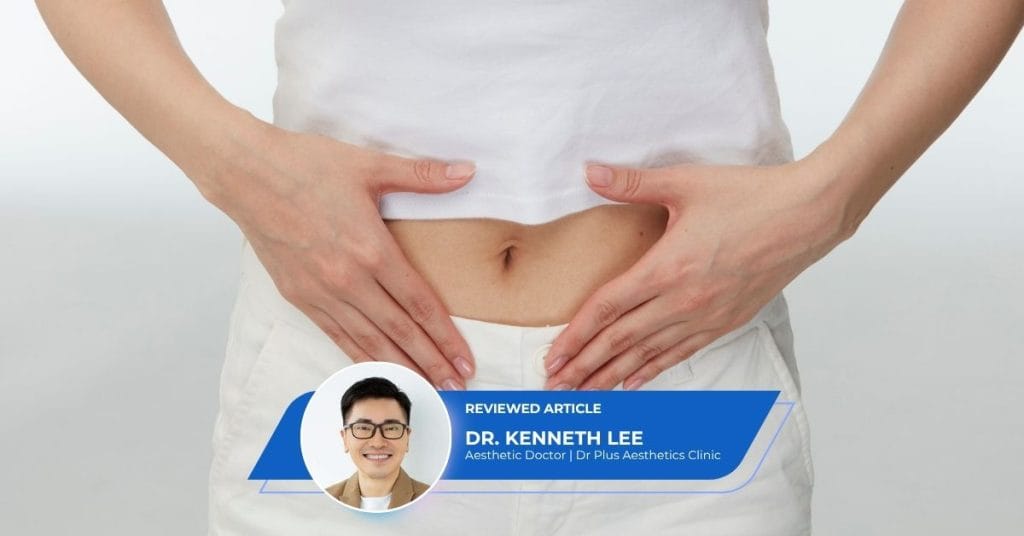
Achieving significant weight loss through dedicated dieting, consistent exercise, or medical interventions is a remarkable milestone. However, there is often a secondary challenge once the weight is gone – the remaining tissue can often appear saggy, loose, or deflated. For solutions regarding loose skin after weight loss Singapore residents frequently look for alternatives to invasive surgical options like a tummy tuck or body lift. Non-surgical body contouring has emerged as a viable path for individuals wishing to firm up their silhouette without undergoing surgery.
Why Does Skin Remain Loose After Major Weight Loss?
To understand skin tightening after weight loss, it is essential to look at the underlying anatomy of human tissue. Healthy skin is highly elastic, supported by an intricate structural network of collagen and elastin fibres. These proteins allow the skin to stretch and bounce back as the body moves and changes shape.
When an individual carries excess weight over an extended period, these structural fibres are stretched significantly past their natural threshold. Over time, the prolonged tension damages the structural integrity of the collagen and elastin, causing them to lose their natural elasticity. When a person loses weight rapidly or in large volumes, the underlying fat deposits diminish, leaving behind a surplus envelope of tissue that has lost its ability to snap back into place. The result is a deflated or saggy appearance across areas such as the abdomen, thighs, and upper arms.
How Can Non-Surgical Body Contouring Address Tissue Laxity?
Modern aesthetic medicine utilises specific energy-based devices to address tissue laxity by targeting different structural depths. Rather than relying on a single modality, clinical protocols often combine technologies to create a synergistic effect that remodels both the superficial skin and the deeper tissue layers.
One notable approach involves Fotona TightSculpting. This method functions as a comprehensive body remodeler by utilising dual-wavelength laser technology. The first wavelength delivers deep hyperthermic energy to gently reduce stubborn fat deposits while simultaneously contracting the surrounding tissue. The second wavelength targets the superficial surface layers of the skin, stimulating immediate fiber contraction and initiating the remodeling process.
To enhance this effect, practitioners often incorporate Body High-Intensity Focused Ultrasound, commonly known as Body HIFU. While the laser energy manages the surface laxity, Body HIFU precisely targets the deeper subcutaneous layers and the junctions where stubborn fat meets the skin. By delivering focused thermal energy to these deep foundational anchors, the treatment helps create a firmer structural support system beneath the surface. This dual-layer approach provides a comprehensive method for managing laxity without surgical incisions.
What Role Does An Aesthetic Doctor Play In Designing Post Weight Loss Protocols?
Achieving optimal results requires more than generic treatments; it demands a customised plan supervised by a qualified medical professional. In Singapore, an aesthetic doctor can comprehensively assess individual tissue quality, the degree of laxity, and overall skin health to design personalised therapeutic protocols.
The primary objective of these medical interventions is neocollagenesis, which refers to the natural process of rebuilding and regenerating collagen within the tissue. Because collagen production takes time, the tightening effects of non-surgical body contouring develop gradually. Patients typically observe natural improvements unfolding over a period of three to six months as the new structural proteins mature and strengthen the targeted areas.
It is important to note that the efficacy of non-surgical procedures depends heavily on the initial degree of skin laxity. For individuals experiencing exceptionally severe tissue redundancy, non-surgical options may offer limited improvement.
How Do You Begin Remodelling Your Silhouette?
You have successfully lost the weight, and now it is time to focus on revealing your hard work by addressing the remaining tissue laxity. Managing deflated skin requires an understanding of your unique tissue profile and structural needs. To explore personalised non-surgical options tailored to your body, consider scheduling a comprehensive body laxity assessment with an aesthetic doctor. Contact us via the button below.
This medical content has been reviewed by Dr Kenneth Lee, an aesthetic doctor specialising in anti-ageing, collagen treatments, and non-invasive regenerative medicine. Combining international training with a patient-centred approach, he provides trusted guidance to support long-term aesthetic health.