

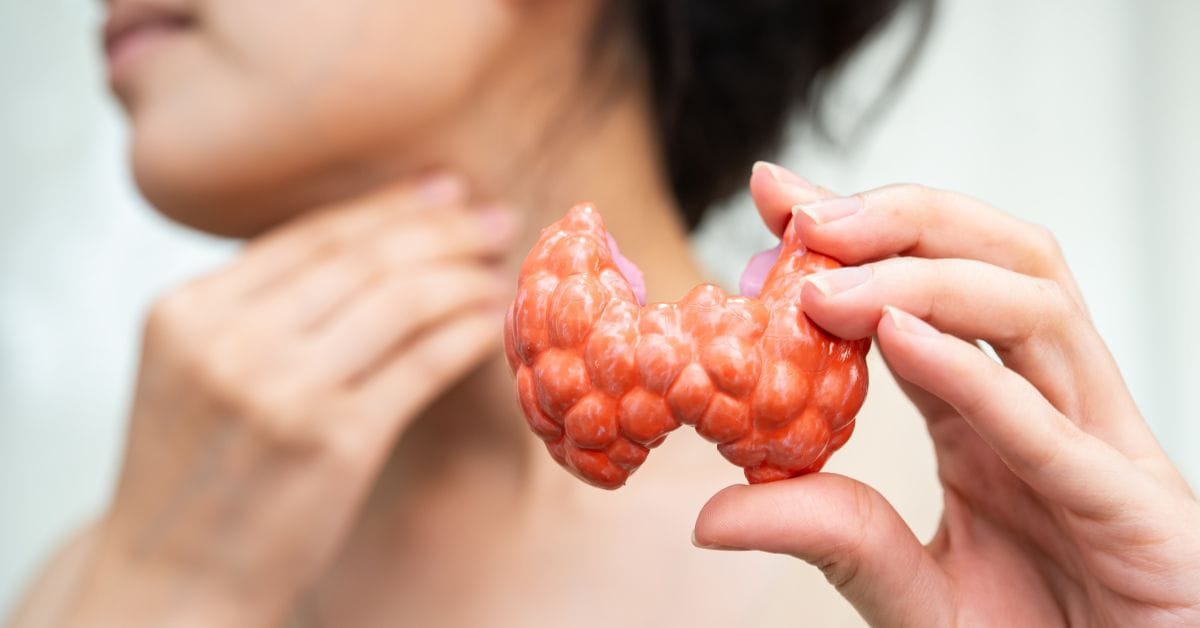
Finding a lump in your neck can be an unsettling experience. In Singapore, thyroid nodules are relatively common and are often discovered incidentally during a health screening or an ultrasound performed for another reason. While the majority of these nodules are benign (non-cancerous), some may cause discomfort, difficulty swallowing, or cosmetic concerns.
Understanding your options for thyroid nodule treatment is the first step towards peace of mind. Singapore’s healthcare landscape offers a range of solutions, from conventional surgery to minimally invasive and non-invasive techniques.
Back to big story: Thyroid Nodules Treatment
Schedule a consultation with a specialist
Understanding the Diagnosis: Fine Needle Aspiration Cytology (FNAC)
Before any treatment begins, a precise diagnosis is essential. In Singapore, a commonly used method for evaluating thyroid nodules is Fine Needle Aspiration Cytology (FNAC).
During this procedure, a specialist uses a very fine needle—typically similar in size to those used for blood tests—to extract a small sample of cells from the nodule, often under ultrasound guidance. The sample is then examined by a pathologist to determine whether the nodule is benign, indeterminate, or malignant.
It is a quick, outpatient procedure that usually requires no hospitalisation and involves minimal downtime.
Non-Surgical and Minimally Invasive Treatment Options
While surgery has traditionally been the standard treatment, selected patients in Singapore may be suitable for minimally invasive or non-surgical alternatives, particularly for benign nodules.
1. Needle Aspiration
If the nodule is a simple cyst (fluid-filled), a doctor may perform needle aspiration to drain the fluid, which can reduce the size of the lump. However, recurrence is possible, and further treatment may be needed in some cases.
2. Radiofrequency Ablation (RFA)
Radiofrequency Ablation (RFA) is an increasingly utilised minimally invasive treatment for benign thyroid nodules in Singapore.
A thin electrode is inserted into the nodule, and radiofrequency energy generates heat to ablate (destroy) the targeted tissue. Over time, the body reabsorbs the treated tissue, resulting in gradual shrinkage of the nodule.
Key considerations:
- Performed under local anaesthesia
- No surgical incision (no visible scar)
- Aims to preserve normal thyroid function
- Suitable primarily for benign nodules confirmed by FNAC
3. High-Intensity Focused Ultrasound (HIFU)
High-Intensity Focused Ultrasound (HIFU) is a non-invasive treatment that uses focused ultrasound energy to generate heat within the nodule without any skin penetration.
This technique may be considered for selected benign nodules, although availability in Singapore is currently limited to certain centres.
Surgical Intervention: Thyroidectomy
Surgery (thyroidectomy) remains an important treatment option in specific situations, such as:
- Confirmed or highly suspicious thyroid cancer
- Large nodules or goitres causing compressive symptoms (e.g. breathing or swallowing difficulties)
- Nodules with indeterminate or concerning biopsy results
- Substernal (retrosternal) extension into the chest
Surgical approaches in Singapore may include:
- Open thyroidectomy (standard approach with a neck incision)
- Endoscopic or robotic thyroidectomy (in selected patients and centres, to reduce visible scarring)
The choice of procedure depends on the patient’s condition, anatomy, and the surgeon’s assessment.
Cost of Thyroid Nodule Treatment in Singapore
The cost of thyroid nodule treatment in Singapore varies depending on whether care is received in public or private healthcare settings, as well as the complexity of the condition.
Estimated private healthcare costs:
| Procedure Type | Estimated Cost (SGD) |
|---|---|
| Needle Aspiration | S$700 to S$5,000 per session |
| Radiofrequency Ablation (RFA) | S$5,000 to S$20,000 |
| Hemithyroidectomy (partial removal) | From S$8,000 |
| Total thyroidectomy | From S$11,000 |
Disclaimer: Costs are indicative and may vary depending on clinic, surgeon, and patient needs. Patients are encouraged to check official sources and speak with their doctors for personalised estimates.
Specialists You May Consider
Choosing an appropriate specialist is important for optimal care. In Singapore, thyroid nodules are typically managed by Endocrinologists or General Surgeons with experience in endocrine conditions.
Patients are encouraged to consult a qualified medical professional to determine the most appropriate treatment based on their individual condition.
Dr Tan Wee Boon
[SG] Featured Doctor
Featured Story
For inquiries or for an introduction to an endocrinologist or a general surgeon, contact us below.
Frequently Asked Questions (FAQs)
1. Is thyroid nodule treatment always necessary?
Not always. If a nodule is small, benign, and not causing symptoms, doctors may recommend active surveillance with periodic ultrasound monitoring. Treatment is typically considered if the nodule grows, causes symptoms, or shows suspicious features.
2. Will I need to take lifelong medication after treatment?
If you undergo RFA or HIFU, thyroid function is usually preserved, and medication is generally not required. However, if a total thyroidectomy is performed, lifelong thyroid hormone replacement will be necessary.
3. Is RFA painful?
RFA is usually performed under local anaesthesia. Patients may feel mild discomfort, pressure, or a warming sensation during the procedure, but it is generally well tolerated.
4. Can thyroid nodules return after treatment?
Treated nodules typically shrink significantly after RFA or HIFU. However, new nodules may develop in other parts of the thyroid over time, so follow-up is recommended.
5. How long is the recovery time for thyroid surgery in Singapore?
For thyroidectomy, hospital stays typically range from 1 to 2 days, depending on the case. Most patients can return to light activities within 1 to 2 weeks, while more strenuous activities should be avoided for a few weeks as advised by the doctor.