

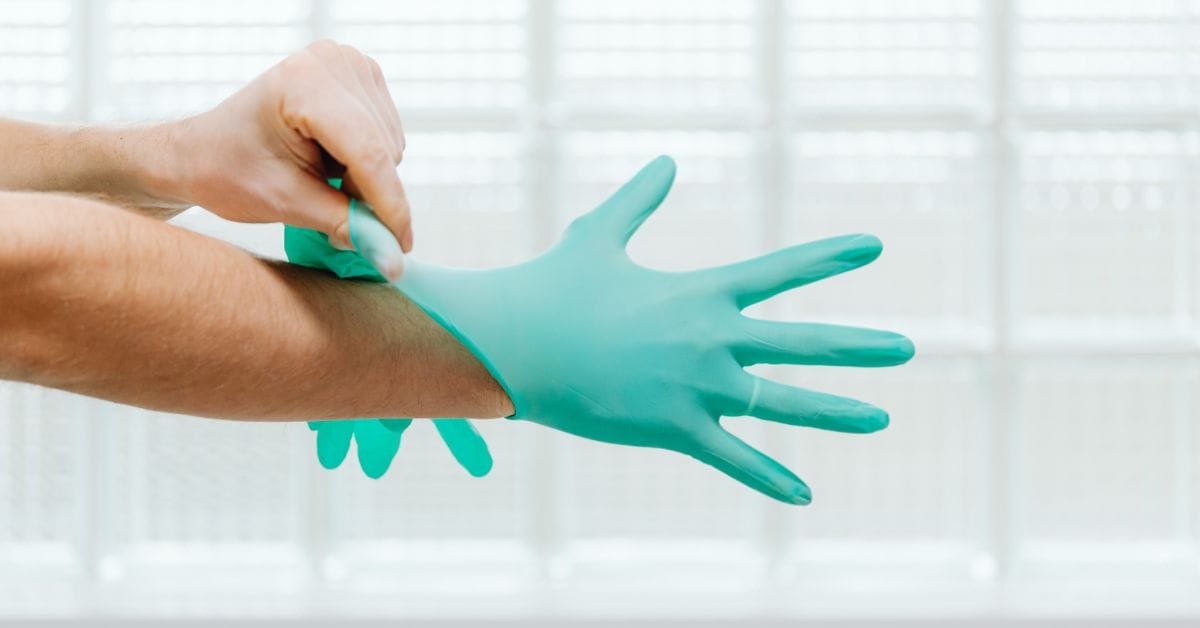
Excessive hand sweating, medically known as palmar hyperhidrosis, can significantly affect daily life, professional confidence, and social interactions. While topical treatments or medications may offer temporary relief, many patients seek a permanent solution: sweaty palms surgery, specifically Endoscopic Thoracic Sympathectomy (ETS).
In this article, we provide an in-depth guide to ETS in Singapore, including how it works, effectiveness, costs, and specialist considerations.
Back to main channel: Sweaty Palms Treatment
Schedule an appointment with a specialist
What is Sweaty Palms Surgery (ETS)?
Endoscopic Thoracic Sympathectomy (ETS) is a minimally invasive surgical procedure designed to reduce or stop excessive sweating in the hands. ETS targets the sympathetic nerves in the thoracic region of the spine, which control signals to the sweat glands in the palms.
During the procedure, a surgeon makes small incisions in the chest to access the sympathetic nerves. These nerves are then either clipped, cut, or partially removed to block the signals causing excessive sweating.
Among these methods:
- Clipping the nerve: The sympathetic nerve is temporarily blocked using a clip, which can sometimes be reversed.
- Cutting or removing the nerve: This permanently stops the nerve signals causing hand sweating.
ETS is usually considered for patients who have not responded to non-surgical treatments, such as prescription-strength antiperspirants, iontophoresis, or oral medications.
Who is a Candidate for ETS?
ETS is suitable for patients who:
- Experience severe hand sweating that interferes with work, daily tasks, or social activities.
- Have tried non-surgical treatments without satisfactory results.
- Are in good overall health and can safely undergo minimally invasive surgery.
A consultation with a hyperhidrosis specialist is essential to determine candidacy. The specialist evaluates sweating severity, overall health, and potential risks.
How Effective is ETS for Sweaty Palms?
ETS is highly effective:
- Up to 94% of patients experience significant reduction in hand sweating.
- Recovery is usually quick, with many patients returning to normal activities within a few days.
Potential side effects include compensatory sweating, temporary pain at incision sites, or rare complications such as nerve injury or pneumothorax.
Cost of Sweaty Palms Surgery in Singapore
The cost of ETS surgery varies depending on the hospital, surgeon, and complexity of the procedure.
Learn more about the Endoscopic Thoracic Sympathectomy (ETS) cost in Singapore in our article: Treatment for Sweaty Palms: Costs, Options, And What Works Best
Recovery and Aftercare
Post-surgery care is important for optimal results:
- Mild pain or swelling at the incision sites is common and managed with medication.
- Avoid heavy physical activity for at least one week.
- Follow-up appointments help monitor healing and manage side effects.
Most patients notice immediate improvement in hand dryness, restoring comfort and confidence in daily life.
Specialists You May Consider
A hyperhidrosis or thoracic surgery specialist is essential for a safe and effective ETS procedure. Specialists assess the severity of sweating, recommend the most suitable surgical approach, and guide patients through recovery.


[SG] Featured Doctor
Featured Story
For inquiries or to be introduced to a specialist, contact us below.
Frequently Asked Questions (FAQs)
Is sweaty palms surgery (ETS) safe?
Yes. ETS is a minimally invasive procedure with a strong safety record. Serious complications are rare when performed by experienced specialists.
How long does ETS surgery take?
The procedure typically lasts 1 to 2 hours, depending on patient anatomy and surgical method.
Will ETS completely stop hand sweating?
Most patients achieve near-complete reduction in hand sweating. Some may experience mild compensatory sweating in other areas.
How soon can I return to work after ETS?
Many patients resume normal activities within 3 to 5 days, avoiding strenuous activity for at least one week.
Are there non-surgical alternatives to ETS?
Yes. Prescription antiperspirants, iontophoresis, and oral medications are common alternatives, usually tried before surgery.