


Chronic knee pain can significantly diminish one’s quality of life, particularly in a fast-paced environment like Singapore where staying active is essential. Whether it is due to osteoarthritis, sports injuries, or age-related wear and tear, many individuals find that conventional treatments such as physiotherapy or pain medication provide only temporary relief.
As regenerative medicine advances, many Singaporeans are looking towards stem cell for knee pain as a viable, minimally invasive alternative to total knee replacement. While Singapore maintains strict regulatory oversight on such treatments, Thailand has emerged as a regional hub for modern regenerative therapies, offering accessible options for those seeking to restore joint function.
Back to main channel: Knee Pain Treatment
Schedule a consultation with a specialist
How Do Stem Cells Address Knee Osteoarthritis?
Stem cell therapy involves the use of the body’s “master cells” to support the repair of damaged tissues. In the context of knee osteoarthritis, these are typically mesenchymal stem cells (MSCs), which are known for their ability to influence healing through signalling effects rather than directly replacing damaged tissue.
Research suggests that MSCs work through two main mechanisms:
- Anti-inflammatory signalling – MSCs release cytokines and growth factors that help regulate the immune response within the joint. This can reduce chronic inflammation, which is a key contributor to pain and cartilage breakdown in osteoarthritis.
- Support for tissue repair – Rather than directly regenerating a full layer of cartilage, MSCs help create a more favourable environment within the joint. This supports the function and survival of existing cartilage cells (chondrocytes), slows degeneration, and may encourage limited repair of the joint matrix. While promising, full cartilage regeneration remains an area of ongoing clinical research.
Why Singaporeans May Consider Thailand for Treatment
Thailand has established a robust infrastructure for medical tourism, specifically within the field of orthopaedic regenerative medicine. Many clinics in Bangkok and Phuket operate with international accreditations and employ specialists trained in Western institutions.
For a Singapore-based patient, Thailand offers a combination of:
- Advanced Cell Protocols: Use of expanded Umbilical Cord-derived MSCs (UC-MSCs). These are often preferred over bone marrow or fat-derived cells because they generally possess higher proliferative capacity and do not require an invasive extraction procedure from the patient.
- Regulatory Framework: Thailand regulates stem cell therapy under the Thai FDA’s Advanced Therapy Medicinal Product (ATMP) framework, ensuring that licensed clinics follow Good Manufacturing Practice (GMP) standards for cell processing.
- Logistical Ease: A short flight from Singapore allows patients to undergo the procedure and return home within a few days, making follow-up care and travel logistics manageable.
Estimated Costs of Stem Cell Therapy
The cost of stem cell therapy for knee pain in Thailand varies based on the cell source, the concentration (cell count), and the clinic’s facility grade.
| Treatment Type | Estimated Cost (SGD) | Estimated Cost (THB) |
| Stem Cell Knee Injection | S$12,000 – S$15,000 or more | THB 60,000 – THB 270,000 (S$2,300 to S$10,500+) |
*Disclaimer: The prices indicated are estimates based on publicly available online sources. Actual costs may vary depending on the provider, treatment complexity, and individual patient needs. It is recommended to check directly with the healthcare provider for the most accurate and up-to-date pricing.
Compliance and Safety Standards
It is imperative to note that while these treatments are available in Thailand, patients must ensure the facility adheres to high safety standards. In alignment with the Ministry of Health (MOH) guidelines in Singapore, patients should verify that any overseas treatment is conducted by licensed medical professionals within a regulated clinical setting.
Singaporeans should be aware that stem cell treatments for orthopaedic conditions are currently considered elective and are not claimable under MediSave or standard Integrated Shield Plans.
Specialists You May Consider
Finding the right expertise is crucial for a successful outcome. Below are regenerative medicine experts in Thailand for your consideration who are experienced in treating international patients and maintaining high clinical standards.


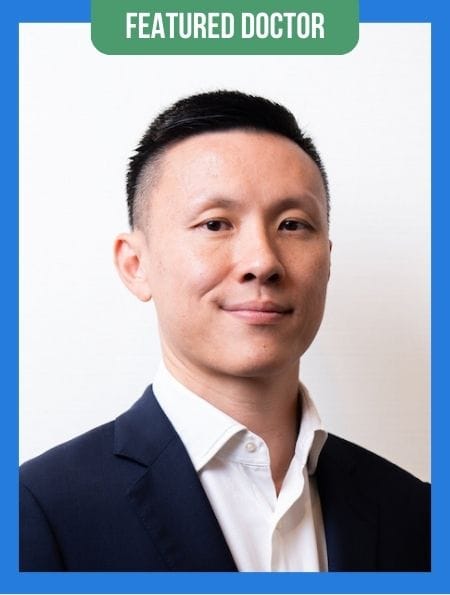
[SG] Featured Doctor

Featured Story
Frequently Asked Questions (FAQs)
1. Is the procedure for stem cell therapy painful?
The procedure is minimally invasive. It involves a local anaesthetic followed by a fine-needle injection into the joint space. Most patients report only minor pressure during the injection and a “full” sensation in the knee for a few hours afterward.
2. How long does it take to see results after the injection?
Recovery varies between individuals. While some notice reduced inflammation within two weeks, the primary functional improvements typically emerge between three to six months as the biological repair processes take effect.
3. Are there any side effects associated with this treatment?
The most common side effects are transient, such as temporary swelling, redness, or minor ache at the injection site. Because high-quality clinics use screened, immune-privileged MSCs, the risk of a rejection reaction is extremely low.
4. Can stem cell therapy replace the need for knee surgery?
For patients with Grade 2 or Grade 3 osteoarthritis (moderate wear), stem cell therapy is often used to delay or avoid total knee replacement. However, for “bone-on-bone” (Grade 4) cases, surgery may still be the most effective option.
5. How long is the recommended stay in Thailand for this treatment?
Most treatment protocols require a stay of three to five days. This allows for an initial consultation, the procedure itself, and a follow-up observation period before you fly back to Singapore.