

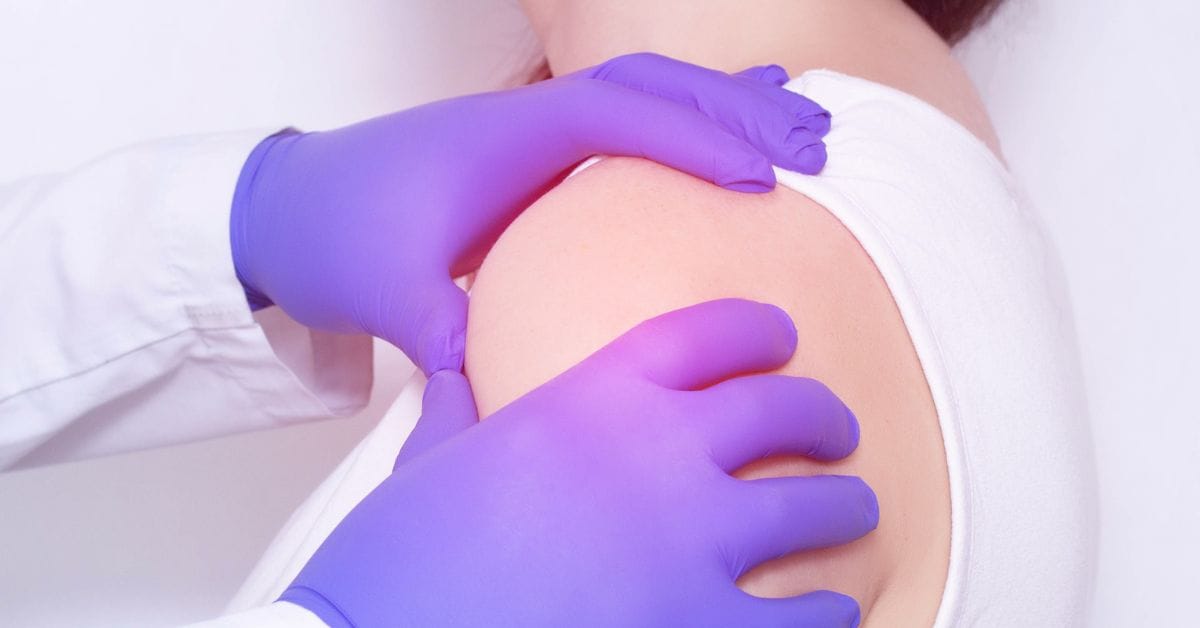
Shoulder pain that does not improve with rest, physiotherapy, or medication can significantly affect daily life. For some individuals, shoulder surgery may be recommended to restore function, reduce pain, and improve long-term shoulder health. Understanding when surgery is appropriate, the types of procedures available, and what the recovery process involves can help you make informed decisions.
Back to main channel: Shoulder Pain Treatment
Schedule a consultation with an Orthopaedic Surgeon
What Is Shoulder Surgery?
Shoulder surgery refers to a range of surgical procedures performed to treat conditions affecting the shoulder joint, tendons, ligaments, or surrounding structures. The shoulder is one of the most mobile joints in the body, making it more vulnerable to injury, wear-and-tear, and degenerative conditions.
In Singapore, shoulder surgery is typically performed by orthopaedic surgeons with sub‑specialty training in shoulder and upper limb conditions.
Common Conditions That May Require Shoulder Surgery
Shoulder surgery is usually considered only after non‑surgical treatments have been attempted. Conditions that may lead to surgical intervention include:
Rotator Cuff Tears
Tears in the rotator cuff tendons may occur due to ageing, repetitive overhead activity, or trauma. Larger or full‑thickness tears may require surgery if pain and weakness persist.
Frozen Shoulder (Adhesive Capsulitis)
In severe cases where stiffness and pain do not improve after prolonged conservative treatment, surgical release may be considered.
Shoulder Impingement Syndrome
When tendons become compressed during shoulder movement, surgery may be recommended if physiotherapy and injections do not relieve symptoms.
Recurrent Shoulder Dislocation
Patients with repeated shoulder instability may require surgery to repair damaged ligaments and stabilise the joint.
Shoulder Arthritis
Advanced arthritis that causes chronic pain and limits movement may require joint replacement surgery.
Types of Shoulder Surgery in Singapore
The type of shoulder surgery recommended depends on the underlying condition, severity, and individual patient factors.
Arthroscopic Shoulder Surgery
This minimally invasive approach uses small incisions and a camera to inspect and repair soft tissue injuries. Arthroscopic surgery is commonly used for rotator cuff repair, labrum repair, and treatment of shoulder impingement.
- Surgeon fee benchmarks for therapeutic shoulder arthroscopy (SB700S) in the private sector are approximately S$6,400 – S$8,400 (excluding GST) for a routine case.
Open Shoulder Surgery
In certain complex cases, such as extensive soft tissue repair or severe trauma, open surgery may be necessary.
Shoulder Replacement Surgery
This involves replacing damaged parts of the shoulder joint with artificial components and is typically recommended for severe arthritis or complex fractures.
- Surgeon fee benchmarks for primary total shoulder replacement (SB715S) in the private sector are approximately S$11,200 – S$13,900 (excluding GST)
Note: These figures are MOH‑recommended surgeon fee benchmarks for private sector cases. They are not mandatory prices, and actual total surgical costs will include hospital charges, anaesthetist fees, implants, consumables, tests, and other costs.
When Should You See a Specialist for Shoulder Surgery?
You may consider consulting a shoulder specialist in Singapore if you experience:
- Persistent shoulder pain lasting several months.
- Progressive stiffness or loss of shoulder movement.
- Weakness affecting daily activities such as lifting or dressing.
- Shoulder instability or repeated dislocations.
- Pain that disrupts sleep despite treatment.
Early specialist assessment can help determine whether surgery is necessary or if non‑surgical management remains appropriate.
Cost Considerations in Singapore
While MOH provides surgeon fee benchmarks, total costs for shoulder surgery can vary widely due to differences in hospital charges, anaesthetist fees, implants, ward types, and the complexity of the procedure.
For example:
- Arthroscopic shoulder procedures may involve additional hospital and consumable costs beyond surgeon fees.
- Total shoulder replacement involves implant costs which can significantly affect overall billing.
Singapore citizens and permanent residents may also be eligible for MediSave, MediShield Life, and Integrated Shield Plan support for certain procedures, subject to prevailing policy terms and clinical criteria.
Recovery and Rehabilitation After Shoulder Surgery
Recovery after shoulder surgery involves structured rehabilitation and physiotherapy. The timeline varies depending on the procedure performed.
- Sling support may be required for several weeks.
- Physiotherapy usually starts early to restore movement.
- Full recovery may take several months.
- Adherence to rehabilitation plans is essential for optimal outcomes.
Your specialist will provide a personalised recovery plan based on your surgery and condition.
Specialists You May Consider
If you are exploring shoulder surgery in Singapore, consulting an orthopaedic specialist with experience in shoulder conditions is an important step. A specialist assessment ensures accurate diagnosis, appropriate treatment recommendations, and a clear understanding of surgical and non‑surgical options available.

[SG] Featured Doctor
Featured Story
For enquiries or for an introduction to an Orthopaedic Specialist, contact us below.
Frequently Asked Questions (FAQs)
Is shoulder surgery always necessary for shoulder pain?
No. Many shoulder conditions improve with physiotherapy, medication, and lifestyle modifications. Surgery is usually considered only when conservative treatments fail.
How long does it take to recover from shoulder surgery?
Recovery time depends on the type of surgery. Arthroscopic procedures may require several months for full recovery, while shoulder replacement surgery may take longer.
Are MOH fee benchmarks the final cost I will pay?
No. MOH fee benchmarks are recommended surgeon fee ranges. The total bill also includes hospital, anaesthetist, consumables, implant (if any), and other costs.
Can I use MediSave for shoulder surgery in Singapore?
Yes, you may be able to use MediSave for certain shoulder procedures, subject to eligibility and withdrawal limits under current rules.
Will I regain full shoulder movement after surgery?
Many patients experience significant improvement in pain and function. Final outcomes depend on the condition treated, rehabilitation adherence, and individual healing response.