


Shoulder pain that does not improve with rest or physiotherapy may be linked to rotator cuff damage. The rotator cuff is a group of muscles and tendons that stabilise the shoulder joint and support arm movement. When these tendons are torn, daily activities such as lifting, reaching, or even sleeping comfortably can become difficult. In such cases, shoulder rotator cuff surgery may be recommended to restore function and relieve pain.
In Singapore, shoulder rotator cuff surgery is commonly performed by experienced orthopaedic specialists using modern surgical techniques.
Back to main channel: Shoulder Pain Treatment
Schedule a consultation with an Orthopaedic Surgeon
What Is Shoulder Rotator Cuff Surgery?
Shoulder rotator cuff surgery is a procedure that repairs torn or damaged rotator cuff tendons. The surgery aims to reattach the torn tendon to the shoulder bone, restoring stability and movement.
Depending on the severity of the tear, the procedure may be performed using:
- Arthroscopic surgery, which involves small incisions and a camera-guided approach
- Open surgery, which may be required for large or complex tears
Arthroscopic surgery is commonly preferred as it is minimally invasive and generally allows for faster recovery.
When Is Shoulder Rotator Cuff Surgery Recommended?
Surgery is usually considered when non-surgical treatments do not provide sufficient relief. These treatments may include physiotherapy, pain relief medications, and activity modification.
Common indications include:
- Persistent shoulder pain lasting several months.
- Weakness or loss of shoulder function.
- Full-thickness or large rotator cuff tears.
- Shoulder injuries caused by trauma or sports.
An orthopaedic specialist will assess the condition using physical examination and imaging studies such as MRI before recommending surgery.
The Surgical Procedure: What to Expect
- Pre-Surgery Assessment
Patients undergo medical evaluation, imaging, and blood tests to determine suitability for surgery. - Anaesthesia
The procedure is performed under general anaesthesia or regional nerve block to ensure comfort. - Tendon Repair
Torn tendons are secured back to the bone using sutures or anchors. Arthroscopic instruments allow precise repair with minimal disruption to surrounding tissue. - Post-Surgery Care
A sling is worn to protect the shoulder while healing begins. Pain management and rehabilitation plans are discussed before discharge.
The procedure typically takes between one and two hours, depending on the complexity of the tear.
Recovery and Rehabilitation Timeline
Recovery after shoulder rotator cuff surgery requires patience and structured rehabilitation.
- Weeks 1–2: Sling use is required. Pain and swelling are managed with medication.
- Weeks 3–6: Passive shoulder movements guided by a physiotherapist begin.
- Weeks 6–12: Gradual introduction of active movement and strengthening exercises.
- 3–6 months: Functional shoulder movement improves significantly.
- 6–12 months: Full recovery for sports or physically demanding activities.
Adhering to physiotherapy instructions is essential for long-term success.
Costs of Shoulder Rotator Cuff Surgery in Private Hospitals (Singapore)
For rotator cuff repair performed via keyhole surgery, the total fee in a private hospital setting typically ranges from: S$10,000 to S$38,000
Important notes:
- The total fee may exclude specialist consultations, imaging tests, physiotherapy, and post-operative medications, depending on individual treatment plans.
- Medisave and private insurance plans may help offset part of the cost, subject to eligibility and policy terms.
- Actual out-of-pocket expenses vary based on clinical complexity and insurance coverage.
Risks and Considerations
While shoulder rotator cuff surgery is commonly performed, potential risks include:
- Infection or bleeding.
- Shoulder stiffness.
- Re-tear of the repaired tendon.
- Nerve or blood vessel injury.
Your specialist will discuss these risks and explain how they are managed.
Choosing the Right Specialist in Singapore
The success of shoulder rotator cuff surgery depends significantly on the experience of the specialist and the rehabilitation plan provided. Patients are advised to consult orthopaedic surgeons who regularly manage shoulder conditions and offer personalised treatment approaches.
Specialists You May Consider
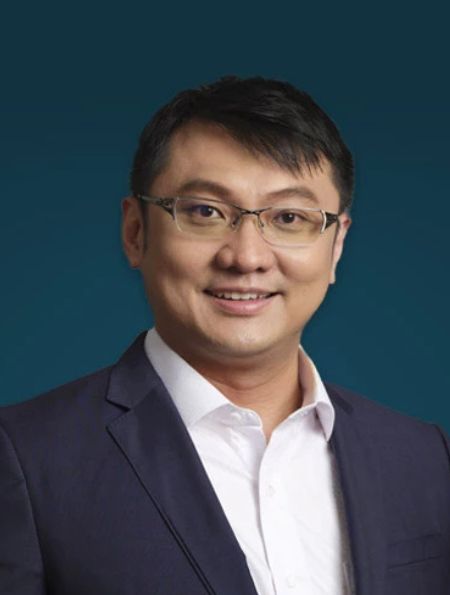
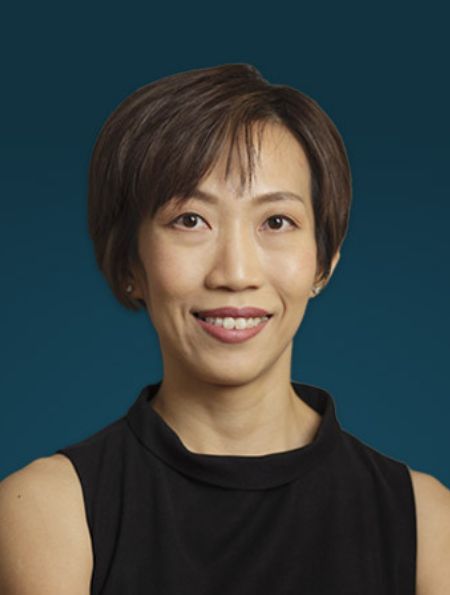
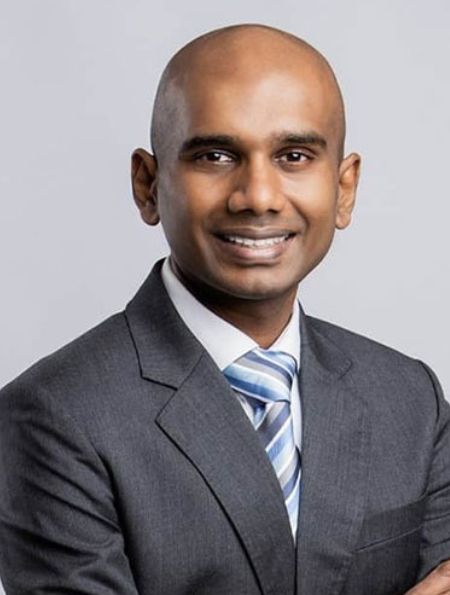
Consulting an orthopaedic specialist with experience in shoulder conditions is an important step. Some specialists you may consider:

[SG] Featured Doctor
Featured Story
For enquiries or for an introduction to an Orthopaedic Specialist, contact us below.
Frequently Asked Questions (FAQs)
Can rotator cuff tears heal without surgery?
Minor tears may improve with physiotherapy and rest. Larger or full-thickness tears often require surgical repair for lasting improvement.
How long is physiotherapy required after surgery?
Physiotherapy usually continues for several months. Most patients complete structured rehabilitation within three to six months.
When can normal daily activities resume?
Light daily activities may resume after a few weeks, while heavy lifting or sports may require six to twelve months.
Is shoulder rotator cuff surgery painful?
Post-operative pain is managed with medication and physiotherapy. Arthroscopic surgery generally results in less discomfort than open surgery.
Are there alternatives to surgery?
Alternatives include physiotherapy, injections, and lifestyle modification. Surgery is recommended when these options do not provide adequate relief.