

What Is Medical Weight Management?
Medical weight management is a structured, evidence-based approach to treating clinical obesity and metabolic syndrome without surgical intervention. Unlike commercial diet programmes, medical weight management is supervised by board-certified endocrinologists or obesity medicine physicians. It addresses the root physiological and hormonal causes of weight gain.
A comprehensive programme typically integrates:
- Advanced Diagnostics: Metabolic profiling, insulin resistance testing, and endocrine evaluations.
- Pharmacological Support: FDA-approved prescription medications, including GLP-1 weight-loss injections (e.g., Saxenda, Wegovy) and appetite suppressants.
- Nutritional Therapeutics: Tailored dietary plans formulated by clinical dietitians.
- Lifestyle & Behavioural Modification: Supervised exercise regimens and psychological support to ensure sustainable, long-term health improvements.
In South Korea, this multidisciplinary approach is highly sought after by patients seeking to safely reduce their Body Mass Index (BMI) and reverse obesity-related comorbidities like type 2 diabetes and hypertension.
Medical Weight Management in Seoul
South Korea is recognised globally for its highly structured advanced metabolic healthcare system. Seoul operates under strict medical regulations monitored by the Ministry of Health and Welfare (MOHW). Clinics and university medical centres treating international patients must hold specific accreditations, ensuring they comply with rigorous standards of patient safety, transparent pricing, and ethical pharmacological prescribing. Consequently, medical tourists benefit from a regulated environment that prioritises clinical precision and structured long-term care.
What Are the Types of Weight Management Programmes in Seoul?
Metabolic clinics in Seoul provide several tailored non-surgical programmes depending on a patient’s biological profile:
- Pharmacological Weight Loss: Focuses on regulating appetite and improving insulin sensitivity through prescribed medications (such as daily or weekly GLP-1 injections) under strict endocrinological supervision.
- Preventative Metabolic Care: Ideal for individuals with early-stage insulin resistance or pre-diabetes, focusing heavily on structured lifestyle interventions, medical nutrition therapy, and continuous glucose monitoring.
- Aesthetic Weight Management: Combines clinical weight loss protocols with non-invasive body contouring treatments (such as cryolipolysis or RF skin tightening) or post-weight loss surgical contouring to achieve a proportionate physical silhouette.
Who Is A Suitable Candidate For Medical Weight Management?
A clinical consultation with an obesity medicine specialist is recommended if you:
- Have a BMI of 27 or higher, particularly if accompanied by weight-related comorbidities like high blood pressure, elevated cholesterol, or joint pain.
- Struggle with severe insulin resistance, PCOS (Polycystic Ovary Syndrome), or diagnosed type 2 diabetes.
- Have experienced “yo-yo dieting” (recurrent weight regain) following conventional, unsupported diet attempts.
- Need to lose weight safely to qualify for a necessary elective surgery (such as a joint replacement).
- Are looking for a medically supervised bridge program before deciding on invasive bariatric surgery.
What Are The Costs Of Pre-Treatment Consultation & Diagnostics?
Thorough clinical screening and metabolic evaluation are vital to determine the safest and most effective medical intervention. Below are the estimated costs for consultations and diagnostics in Seoul:
| Screening / Diagnostic Test | Function & Description | Estimated Cost (Private Sector) |
| Specialist Endocrinology Consultation | Comprehensive assessment of metabolic history, BMI, and hormonal health by a board-certified physician. | KRW 50,000 – KRW 150,000 |
| Comprehensive Metabolic Panel (CMP) | Evaluates baseline liver/kidney function, fasting glucose, and lipid profiles. | KRW 80,000 – KRW 150,000 |
| Endocrine & Insulin Testing | HbA1c, fasting insulin assay, and thyroid panel (TSH, Free T4) to identify hormonal barriers to weight loss. | KRW 100,000 – KRW 200,000 |
| Body Composition Analysis | Advanced InBody scanning to determine visceral fat levels, muscle mass, and basal metabolic rate. | KRW 30,000 – KRW 70,000 |
Disclaimer: The above estimates are for premier clinics in Seoul in 2026. Prices will vary depending on the facility and the inclusion of translation services. Please check directly with your chosen healthcare provider for up-to-date pricing.
Which Doctor For Medical Weight Management?
Effective non-surgical weight management requires a coordinated medical team to ensure safety and clinical efficacy:
- Board-Certified Endocrinologist or Family Medicine Physician: Your primary specialist should ideally hold certification from the Korean Society for the Study of Obesity (KSSO) or the Korean Endocrine Society. They possess deep expertise in hormonal pathways, safe prescribing practices, and chronic disease management.
- Clinical Dietitian: Works alongside the physician to create realistic, medically appropriate meal plans that support fat loss while preserving muscle mass.
Preferred Doctors in Seoul

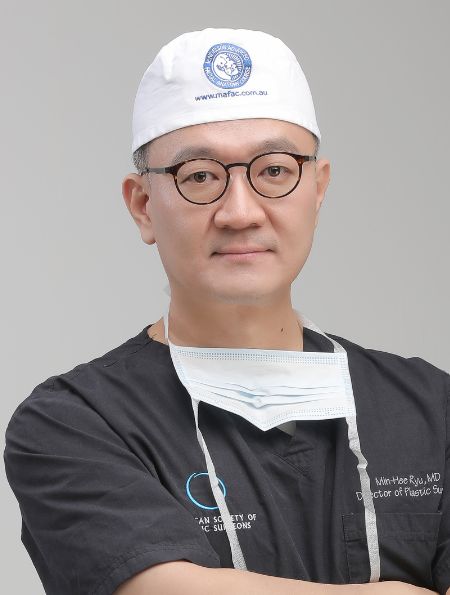
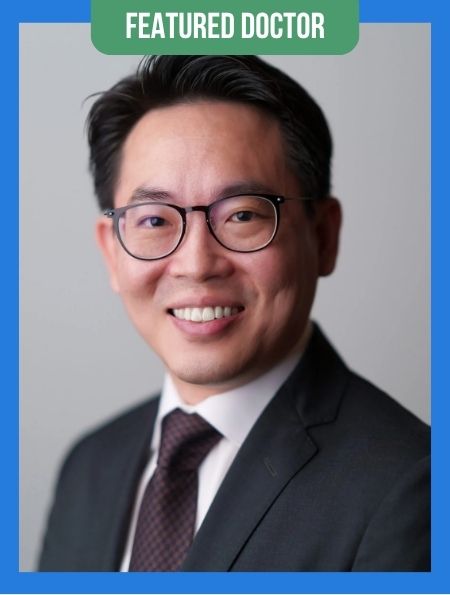
[SG] Featured Doctor

Featured Story
Which Hospitals And Medical Centres Provide Medical Weight Management?
Seoul features specialised aesthetic-metabolic clinics and renowned university hospital endocrinology divisions. Prominent medical centres in Gangnam, Songpa, and Seocho—such as Asan Medical Center, Samsung Medical Center, Gangnam Severance Hospital and Seoul National University Hospital —are fully equipped to manage complex metabolic patients.
These centres provide advanced diagnostic laboratories, in-house pharmacies, and dedicated multilingual coordinators. Furthermore, leading aesthetic clinics like ID Hospital and JK Plastic Surgery Center offer integrated programmes that seamlessly blend medical weight loss with advanced body contouring technologies for international patients.
What Is The Cost Of Medical Weight Management In Seoul?
Treatment fees in Seoul vary significantly depending on the duration of the programme, the required medications, and the facility type.
| Treatment / Programme | Clinical Description | Estimated Cost (KRW)* | Estimated Cost (USD)* |
| Comprehensive Initial Evaluation | Includes specialist consultation, full metabolic blood work, and nutritional assessment. | ₩250,000 – ₩450,000 | $190 – $340 |
| Pharmacological Programme (Monthly) | Monthly supply of prescribed weight-loss medications (e.g., GLP-1 injectables) and medical monitoring. | ₩300,000 – ₩800,000 | $225 – $600 |
| Integrated Aesthetic Programme (Monthly) | Combines medical prescriptions with localized non-invasive fat reduction therapies (e.g., cryolipolysis). | ₩1,000,000 – ₩2,500,000 | $750 – $1,875 |
| Dietitian Follow-Up Sessions | Ongoing nutritional counseling to monitor dietary compliance and adjust macronutrients. | ₩50,000 – ₩100,000 per session | $40 – $75 |
Disclaimer: Prices listed are estimates only and do not constitute a fixed quote. Actual costs vary based on individual biological responses to medication and chosen treatment duration. A formal cost breakdown is provided following a clinical assessment.
Recovery & Adaptation
Medical weight management is a gradual, ongoing process rather than a single event. Understanding the timeline helps patients manage expectations:
| Treatment Phase | Timeline | Patient Action & Clinical Milestones |
| Initiation Phase | Weeks 1 – 4 | Patients begin prescribed medications and adjust to new dietary plans. Minor side effects (like mild nausea from GLP-1s) are common as the body adapts. |
| Active Weight Loss | Months 2 – 6 | Steady, sustainable weight reduction occurs (typically 1-2 lbs per week). Energy levels improve. Medication dosages may be titrated up by the physician. |
| Metabolic Re-Evaluation | Month 6 | The endocrinologist repeats blood work to measure improvements in HbA1c, cholesterol, and liver enzymes. |
| Maintenance Phase | Months 6 – 12+ | Weight stabilises. Focus shifts heavily to maintaining lifestyle habits and potentially tapering off medications under medical guidance. |
Risks And Potential Side Effects
While non-surgical medical weight management is exceptionally safe when supervised by a certified physician, patients must be aware of potential side effects related to pharmacotherapy:
- Gastrointestinal Distress: Nausea, constipation, or diarrhoea are the most common side effects of appetite-suppressing medications, usually subsiding after the first few weeks.
- Hypoglycaemia (Low Blood Sugar): A risk primarily for patients who are concurrently taking insulin or other diabetes medications; requires careful dose adjustments by a doctor.
- Fatigue or Dizziness: Can occur if caloric intake drops too rapidly or if hydration is inadequate.
- Gallstones: Rapid, significant weight loss increases the risk of developing gallstones, requiring medical monitoring.
Partnering with a KSSO-certified endocrinologist ensures that all medications are prescribed safely and monitored closely to mitigate these risks.
Insurance And Financing Considerations
Elective pharmacological weight management and anti-obesity treatments are generally not covered by standard private medical insurance or the Korean National Health Insurance Service (NHIS), unless the medications are prescribed explicitly to treat diagnosed type 2 diabetes. International medical tourists should consult their insurance providers before travelling to verify coverage for overseas outpatient treatments.
Value-Added Tax (VAT) Refunds
The South Korean government supports visiting medical tourists through a Value-Added Tax (VAT) refund programme. Eligible international patients receiving aesthetic or elective metabolic treatments at MOHW-registered medical centres can claim an approximate 7% to 8% tax rebate. Refunds are processed at airport customs desks or designated urban tax-refund kiosks.
Frequently Asked Questions (FAQs)
1. Why is Seoul a popular destination for medical weight management?
Seoul is globally recognised for its advanced endocrinological research, high concentration of board-certified obesity specialists, and holistic integration of medical and aesthetic care. Clinics maintain strict safety protocols, transparent pricing, and structured concierge care tailored to international visitors.
2. How long should international patients stay in Seoul to start a programme?
Patients are generally advised to remain in Seoul for 3 to 7 days. This allows sufficient time for the initial consultation, comprehensive blood work analysis, receiving the first prescription, and an initial follow-up to ensure tolerance before flying home.
3. Do I have to take weight-loss medication forever?
Not necessarily. Obesity is a chronic condition, but many patients use medications temporarily to achieve a healthier weight and improve insulin sensitivity. Long-term success depends on adopting the sustainable nutritional and exercise habits taught during the programme.
4. Can medical weight management tighten loose skin?
No, clinical weight loss reduces body fat but does not tighten excess skin resulting from significant weight loss. Patients concerned about loose skin often work with integrated aesthetic clinics in Seoul to receive skin-tightening treatments (like RF therapy) or post-bariatric plastic surgery.
5. How can patients manage follow-up care after returning home?
Accredited medical centres in Seoul provide comprehensive discharge documentation and long-term care plans in English. Many clinics conduct scheduled telehealth consultations with their physicians and dietitians to monitor your progress, adjust medication dosages, and coordinate care with your local primary physician.
Contact Us
If you are planning an early medical intervention for obesity, seeking a second opinion on pharmacological treatments, or exploring a structured metabolic health programme, we can help arrange a consultation with top specialists in Seoul. Contact us via the button below.
Additional Resources
- Korean Society for the Study of Obesity (KSSO).
- Korean Endocrine Society.
- Ministry of Health and Welfare (MOHW) | Medical Tourism Accreditation.
- Joint Commission International (JCI).