

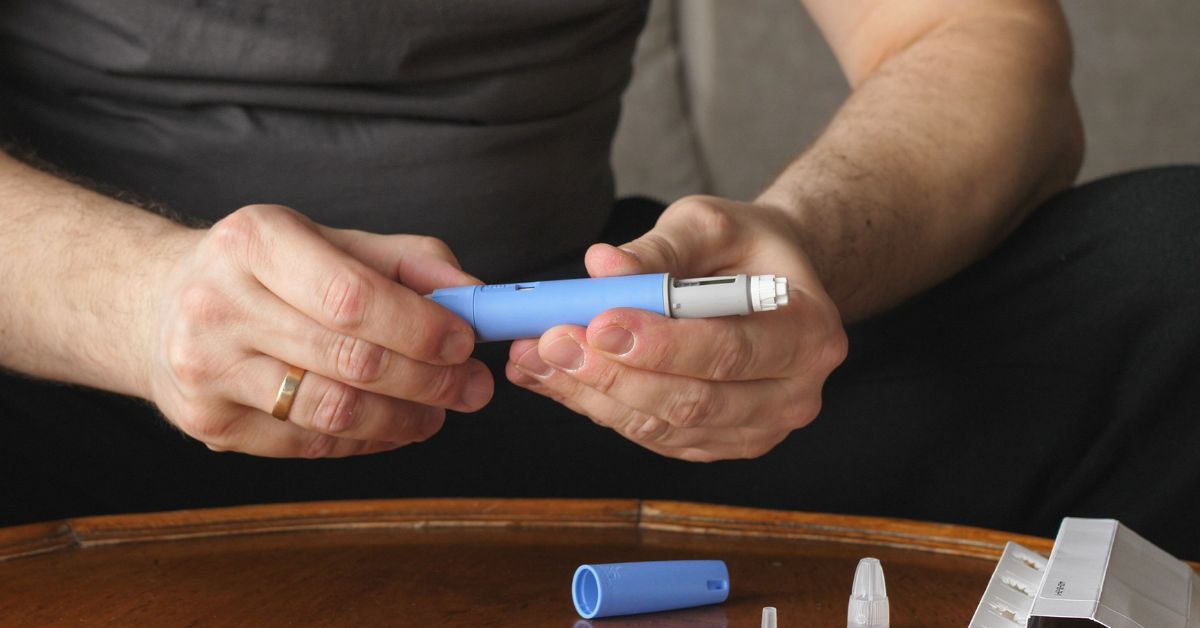
Ozempic has been gaining attention in Singapore as a modern option for people living with type 2 diabetes. In this article, we explain what Ozempic is, how it works, and what you should consider before discussing it with a healthcare professional.
Back to main channel: Diabetes Management
Schedule a consultation with an Endocrinologist
What Is Ozempic?
Ozempic is the brand name for semaglutide, a medication used to improve blood sugar control in adults with type 2 diabetes mellitus, in addition to diet and exercise.
It belongs to a class of medicines known as GLP-1 receptor agonists, which help the body produce more insulin when blood sugar is high, reduce the amount of sugar released by the liver, and slow down digestion.
In Singapore, Ozempic is approved by the Health Sciences Authority (HSA) for diabetes treatment, not for weight loss purposes. It is available only by prescription from a licensed medical practitioner.
How Ozempic Helps Manage Type 2 Diabetes
For people with type 2 diabetes, controlling blood sugar levels is essential to prevent complications such as heart disease, kidney damage, and nerve problems. Ozempic may help by:
- Lowering blood sugar levels – Clinical studies on semaglutide (the active ingredient in Ozempic) have shown significant improvements in HbA₁c levels among adults with type 2 diabetes.
- Reducing cardiovascular risks – Clinical evidence indicates that semaglutide can lower the risk of heart attack and stroke in patients with diabetes and known heart disease.
- Supporting weight management – While not approved in Singapore for weight loss, many patients experience mild weight reduction as an indirect benefit.
- Convenient dosing – It is usually injected once weekly, which some find easier to follow compared to daily medication schedules.
Who May Benefit from Ozempic
Ozempic may be considered for adults with type 2 diabetes whose blood sugar remains high despite lifestyle changes and other oral medications.
A specialist (endocrinologist or diabetologist) will determine suitability based on several factors, including:
- Current blood sugar levels and HbA1c.
- Other medical conditions such as heart or kidney disease.
- Lifestyle habits, diet, and weight.
- Any contraindications such as a history of pancreatitis or thyroid disorders.
It is important to undergo proper evaluation before starting Ozempic, as the treatment plan should be tailored to each person’s needs.
Risks and Side Effects
Like all medications, Ozempic may cause side effects. Most are mild and temporary, though some can be serious.
Common side effects
- Nausea, vomiting, or diarrhoea.
- Constipation.
- Decreased appetite.
These symptoms often improve as the body adjusts to the medication.
Serious risks (less common)
- Pancreatitis (inflammation of the pancreas).
- Thyroid-related concerns – People with a history of medullary thyroid carcinoma or multiple endocrine neoplasia type 2 (MEN2) should avoid Ozempic.
Always inform your doctor of any existing conditions or symptoms before starting the medication.
Cost and Accessibility in Singapore
The cost of Ozempic in Singapore varies depending on dosage, clinic, and consultation fees.
For reference, one pen (four weekly doses) may cost around S$545 per month in some private clinics.
If prescribed for type 2 diabetes, some insurance or Medisave plans may cover part of the cost. However, coverage is unlikely for off-label use such as weight management. It is advisable to confirm with your doctor or insurer before starting treatment.
How Ozempic Is Administered
- Consultation – The doctor reviews your medical history, existing medications, and diabetes control.
- Starting dose – Typically begins at a low dose to minimise side effects.
- Monitoring – Regular follow-ups are necessary to check blood sugar levels and adjust dosage.
- Lifestyle integration – Ozempic works best when combined with healthy eating, exercise, and other diabetes medications as prescribed.
- Long-term plan – The doctor will assess whether to continue, adjust, or switch treatment based on your progress.
Important Regulatory Information
- Ozempic is a prescription-only medication regulated by the HSA.
- It is not allowed to be advertised for cosmetic or weight-loss purposes in Singapore.
- Patients should only obtain Ozempic from registered clinics and pharmacies to avoid counterfeit products.
The Ministry of Health (MOH) has also advised consumers to avoid purchasing Ozempic from unauthorised online sources.
Why It Is Important to Seek Specialist Advice
Ozempic can be an effective tool for managing type 2 diabetes, but it is not suitable for everyone. A qualified specialist will evaluate your overall health and help determine whether this medication is appropriate as part of your diabetes management plan.
Managing diabetes successfully involves medication, diet, exercise, and regular monitoring – not medication alone.
Specialists You May Consider

Contact us today for an introduction with a licensed specialist experienced in diabetes care.
Frequently Asked Questions (FAQs)
1. Is Ozempic approved in Singapore for weight loss?
No. In Singapore, Ozempic is approved only for the treatment of type 2 diabetes. Its use for weight management would be considered off-label and must be under strict medical supervision.
2. How long does Ozempic take to show results?
Many patients begin to see improvements in blood sugar control within several weeks, though results vary. It may take a few months to reach full effect.
3. What happens if I stop taking Ozempic?
Blood sugar levels may rise again if treatment is stopped. Always consult your doctor before making any changes to your medication.
4. Can I buy Ozempic online?
No. Ozempic should only be obtained through registered healthcare providers and pharmacies in Singapore. Buying it online without a prescription is unsafe and not allowed under HSA regulations.
5. Are there alternatives if I cannot use Ozempic?
Yes. There are other glucose-lowering medications such as SGLT2 inhibitors or DPP-4 inhibitors that may be suitable. A specialist will help determine the best option for you.
Disclaimer: This article is for educational purposes only and does not constitute medical advice. Please consult a qualified healthcare professional before starting or changing any medication.