


Knee pain is a prevalent health concern that affects a significant portion of the Singaporean population. From the active individual engaging in weekend sports to the elderly managing age-related changes, the impact on daily mobility and independence can be profound. In a “super-aged” society like Singapore, where over 21% of citizens are now aged sixty-five and above, effective knee joint pain management is a cornerstone of maintaining a high quality of life.
In this article, we provide a guide on the current treatment landscape in Singapore, including innovative regenerative therapies, detailed cost benchmarks, and the regulatory framework ensuring patient safety.
Back to main channel: Knee Pain Treatment
Schedule a consultation with a specialist
Understanding the Knee Pain Landscape in Singapore
Knee discomfort often arises from a combination of mechanical wear, acute injury, and inflammatory conditions. In the local context, several factors contribute to these issues:
- Osteoarthritis (OA): This remains the leading cause of chronic knee pain among Singaporeans. It involves the progressive breakdown of joint cartilage.
- Sports-Related Trauma: High participation rates in sports such as badminton, football, and running lead to frequent ligament (ACL/MCL) and meniscus tears.
- Degenerative Tendonitis: Often seen in individuals with sedentary office jobs who engage in sudden, intense physical activity without adequate conditioning.
Modern Treatment Options: Autologous Protein Solution (APS)
For patients with mild to moderate osteoarthritis who have not found relief through physiotherapy or oral medications, Autologous Protein Solution (APS)—often commercially known as nStride—represents a significant advancement in non-surgical care.
The Science Behind APS
APS is a concentrated “scaffold” of anti-inflammatory proteins and growth factors derived directly from the patient’s own blood. Unlike traditional treatments that merely manage symptoms, APS is designed to address the biological imbalance within an osteoarthritic knee.
- Mechanism: The solution works by blocking pro-inflammatory cytokines (such as IL-1 and TNF-alpha) that are responsible for cartilage destruction and joint pain.
- The Procedure: A small volume of blood is drawn and processed in a specialised centrifuge to isolate the protein solution, which is then injected into the joint. The entire process typically takes less than an hour.
- Expected Outcomes: Clinical data suggests that a single injection can provide significant pain reduction and improved joint function for up to twelve months or longer.
Knee Treatment Costs in Singapore
Navigating healthcare costs is a priority for many Singaporeans. Prices vary based on the complexity of the case, choice of facility, and the specific technology used. The following table provides estimated costs:
| Treatment Type | Estimated Cost (Singapore) |
| Physiotherapy (Per Session) | S$180 – S$250 |
| APS Injection | S$2,000 – S$3,000+ per knee |
| Knee Replacement (Arthroplasty) | S$43,000 – S$56,000 |
*Disclaimer: The prices indicated are estimates based on publicly available online sources. Actual costs may vary depending on the provider, treatment complexity, and individual patient needs. It is recommended to check directly with the healthcare provider for the most accurate and up-to-date pricing.
Financing and Insurance
- MediSave: Singaporeans can use MediSave for various outpatient scans and surgical procedures, subject to withdrawal limits (e.g., approximately S$3,260 for knee replacement surgery).
- MediShield Life & IP: These schemes cover a portion of hospitalisation and surgery. As of 2026, most Integrated Shield Plan (IP) riders require a minimum 5% co-payment.
- CHAS: Patients with CHAS cards can access subsidies for initial consultations at participating private GP clinics before being referred to specialists.
Regulatory Compliance and Patient Safety
All medical practices in Singapore are strictly regulated by the Ministry of Health (MOH) and the Singapore Medical Council (SMC).
- Advertising Regulations: Healthcare providers must ensure all information is factual and evidence-based. Claims of “guaranteed cures” or “superiority” over other clinics are prohibited.
- Financial Counselling: Under Singapore law, clinics must provide formal financial counselling before any major procedure, ensuring patients understand the full breakdown of fees, including surgeon, anaesthetist, and facility charges.
Specialist Care and Consultation
Identifying the root cause of knee pain requires an expert evaluation. Singapore offers a high concentration of orthopaedic specialists with sub-specialisations in joint preservation and sports surgery.
Specialists You May Consider
Choosing a specialist who aligns with your specific needs—whether you require a conservative management plan or modern treatment—is vital.



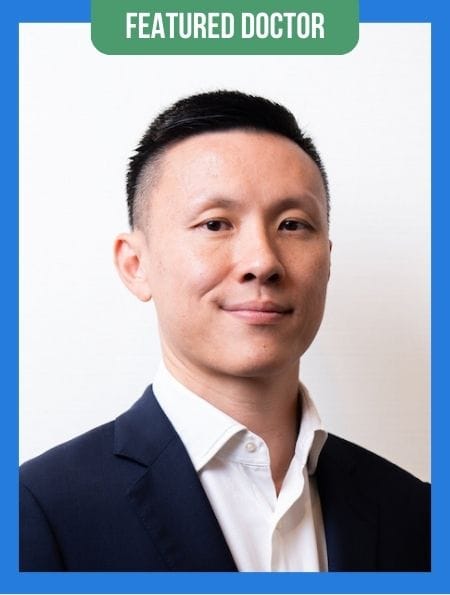
[SG] Featured Doctor

Featured Story
For inquiries or for an introduction to a specialist, contact us below:
Frequently Asked Questions (FAQs)
1. Is APS therapy painful?
The procedure involves a standard blood draw and a joint injection. While some patients may feel a temporary “fullness” or mild discomfort in the knee for twenty-four to forty-eight hours, the procedure is generally well-tolerated.
2. How do I know if I should see a specialist or a physiotherapist first?
If your pain is the result of a sudden injury, is accompanied by swelling, or prevents you from bearing weight, you should consult an orthopaedic specialist for a diagnosis. For chronic, low-grade pain, a physiotherapist can often provide effective initial management.
3. Are there age limits for receiving APS therapy?
There is no strict age limit; however, the treatment is most effective for individuals with mild to moderate joint degeneration. A specialist will evaluate your joint health through X-rays or MRI scans to determine if you are a suitable candidate.