

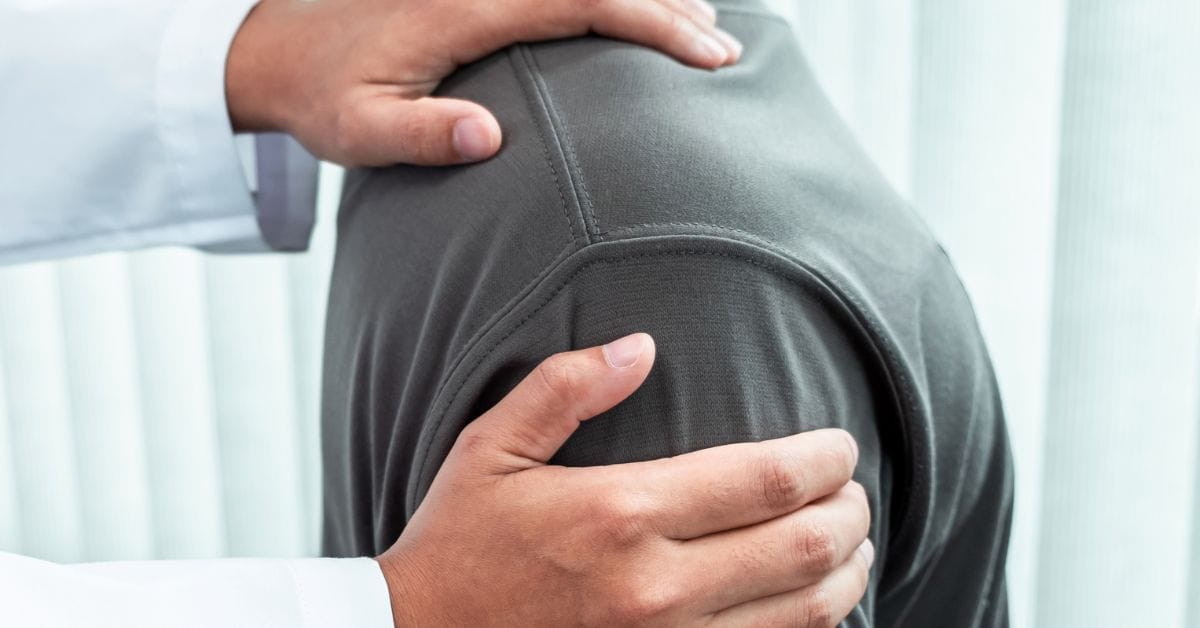
Frozen shoulder, or adhesive capsulitis, is a condition that can significantly limit daily life, making simple movements such as reaching overhead, dressing, or even sleeping painful and challenging. In Singapore, it commonly affects adults aged 40 to 60, particularly those with diabetes, thyroid disorders, or previous shoulder injuries.
Early intervention is essential to reduce pain, restore mobility, and prevent long-term complications. In this article, we explore the frozen shoulder treatment in Singapore, from physiotherapy and medications to surgical interventions, providing insights to help you take informed steps toward recovery.
Back to main channel: Shoulder Pain Treatment
Schedule a consultation with an Orthopaedic Surgeon
Understanding Frozen Shoulder
Frozen shoulder occurs when the connective tissue surrounding the shoulder joint becomes tightened and inflamed, forming adhesions that restrict movement. The condition progresses through three phases:
- Freezing Stage: Pain gradually increases, especially at night, with a progressive decrease in shoulder mobility.
- Frozen Stage: Pain may decrease, but stiffness becomes more pronounced, limiting daily activities.
- Thawing Stage: Movement gradually returns, though full recovery can take several months.
Prompt assessment and tailored treatment are crucial for improving outcomes and preventing permanent stiffness.
Common Symptoms
Symptoms typically include:
- Persistent or worsening shoulder pain.
- Stiffness that limits movement.
- Difficulty performing daily tasks such as combing hair or reaching overhead.
- Pain that intensifies at night or during certain movements.
If these symptoms persist for several weeks, consulting a specialist is recommended.
Treatment Options in Singapore
Treatment in Singapore focuses on reducing pain, restoring shoulder mobility, and improving quality of life. The approach depends on the stage and severity of the condition.
1. Physiotherapy and Exercise Programmes
Physiotherapy is often the first-line treatment. Experienced physiotherapists in Singapore design personalised exercise plans to improve shoulder flexibility and strength.
Common techniques include:
- Stretching exercises: Gradually increase the shoulder’s range of motion.
- Strengthening exercises: Support surrounding muscles to reduce strain and prevent recurrence.
- Manual therapy: Physiotherapists may perform targeted mobilisation techniques to improve joint movement.
- Hydrotherapy: In some clinics, water-based exercises reduce pain while improving mobility.
Patient commitment is key: Performing exercises regularly at home significantly improves recovery outcomes.
Cost reference: Private physiotherapy sessions may range from S$200 and above per session while subsidised rate at public hospitals may cost around S$49 – S$90 and above per session.
2. Medications and Injections
Medications are used to manage pain and reduce inflammation, particularly during the freezing stage. Options include:
- Non-steroidal anti-inflammatory drugs (NSAIDs) for pain relief.
- Corticosteroid injections: Administered directly into the shoulder joint to reduce inflammation and improve mobility.
- Analgesics: Over-the-counter or prescription painkillers may be used for temporary relief.
Doctors in Singapore typically evaluate underlying conditions, such as diabetes or thyroid disorders, before prescribing medications to ensure safe and effective treatment.
3. Shoulder Manipulation Under Anaesthesia (MUA)
When conservative treatments fail, MUA may be considered. During this procedure:
- The patient is placed under general anaesthesia.
- The surgeon gently moves the shoulder to break up adhesions and scar tissue.
- This can result in immediate improvement in range of motion.
MUA is usually combined with post-procedure physiotherapy to maintain mobility and prevent recurrence.
4. Arthroscopic Capsular Release Surgery
For patients who do not respond to non-surgical treatments, arthroscopic capsular release offers a minimally invasive solution. The procedure involves:
- Small incisions around the shoulder joint.
- Use of a camera (arthroscope) to identify and remove adhesions.
- Immediate improvement in shoulder flexibility.
In Singapore, private hospital costs for this surgery usually start from S$6,000 and above depending on the procedure’s complexity.
Recovery and Rehabilitation
Recovery from frozen shoulder depends on treatment choice, severity, and patient adherence to rehabilitation exercises. Most patients see meaningful improvement within 3 to 12 months.
Key recovery tips include:
- Adhering to prescribed physiotherapy exercises daily.
- Using pain relief strategies as advised by your doctor.
- Avoiding overuse of the shoulder while maintaining gentle movement.
- Following up with a specialist to monitor progress.
Consistent rehabilitation is vital to prevent stiffness from returning.
Specialist You May Consider
A shoulder specialist or orthopaedic surgeon can provide expert evaluation and customised treatment options. They guide patients through:
- Diagnosis and staging of frozen shoulder.
- Selection of physiotherapy, medication, or surgical interventions.
- Structured rehabilitation programmes.



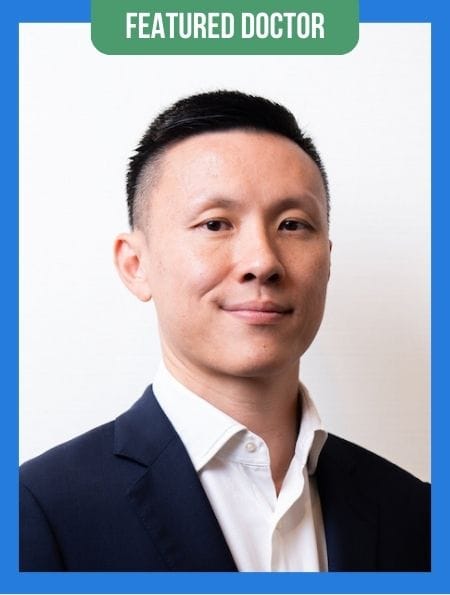
[SG] Featured Doctor

Featured Story
For enquiries or for an introduction to an Orthopaedic Specialist, contact us below.
Frequently Asked Questions (FAQs)
How long does frozen shoulder take to heal?
Most patients regain significant mobility within 3 to 12 months with appropriate treatment, though some may require longer recovery.
Can frozen shoulder resolve without surgery?
Yes, physiotherapy, exercise, and medications are effective for most patients. Surgery is a last resort when conservative measures fail.
Is frozen shoulder painful?
Yes, pain typically begins gradually, worsens at night, and increases during certain movements, followed by stiffness in later stages.
Are there risks of recurrence?
Recurrence is uncommon if post-treatment rehabilitation and exercises are maintained.
How much does frozen shoulder treatment cost in Singapore?
- Private physiotherapy: S$200 and above per session.
Surgical interventions: Starting from S$6,000 depending on complexity.