
What Is In Vitro Fertilisation (IVF)?
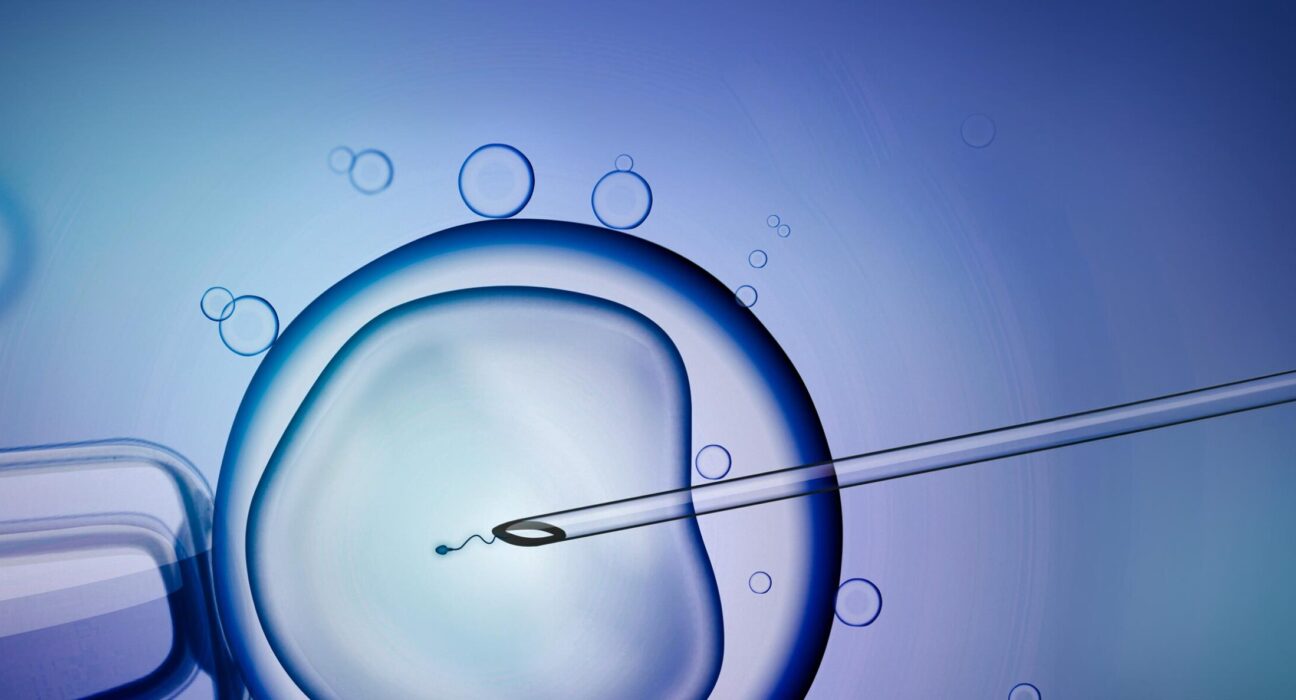
In Vitro Fertilisation (IVF) is the most advanced and highly effective form of Assisted Reproductive Technology (ART) available to treat infertility. The procedure involves several complex clinical steps: stimulating a woman’s ovaries to produce multiple mature eggs, surgically retrieving those eggs, fertilising them with sperm in a highly controlled embryology laboratory, and carefully transferring a resulting healthy embryo back into the uterus to establish a pregnancy.
In South Korea, IVF and reproductive endocrinology represent a pinnacle of medical advancement. The field encompasses not only primary infertility treatments but also advanced interventions such as Intracytoplasmic Sperm Injection (ICSI) for male factor infertility, Preimplantation Genetic Testing (PGT) to screen embryos for chromosomal abnormalities, and elective fertility preservation (egg freezing).
IVF in Seoul
South Korea is recognised globally for its highly structured reproductive healthcare system and exceptional embryology standards. Seoul operates under strict medical regulations monitored by the Ministry of Health and Welfare (MOHW). Fertility clinics and university medical centres treating international patients must hold specific accreditations, ensuring they comply with rigorous standards of patient safety, transparent pricing, and robust laboratory quality control protocols. Consequently, medical tourists benefit from a regulated environment that prioritises clinical precision and compassionate reproductive care.
What Are the Types of Fertility Treatments in Seoul?
Reproductive endocrinologists in Seoul provide several ART techniques tailored to unique biological requirements:
- Conventional IVF: Eggs and sperm are placed together in a laboratory dish to allow natural fertilisation to occur before embryo transfer.
- Intracytoplasmic Sperm Injection (ICSI): A highly precise technique where a single, healthy sperm is injected directly into a mature egg to force fertilisation, crucial for overcoming severe male infertility.
- Preimplantation Genetic Testing (PGT-A / PGT-M): A biopsy of the embryo is taken before transfer to screen for aneuploidy (abnormal chromosome numbers) or specific genetic diseases, drastically improving implantation rates and reducing miscarriage risks.
- Frozen Embryo Transfer (FET): Transferring embryos that were previously cryopreserved, often yielding higher success rates as the uterine lining can be optimally prepared without the interference of stimulation hormones.
- Oocyte Cryopreservation (Egg Freezing): Retrieving and freezing unfertilised eggs to safeguard a woman’s future reproductive potential against age-related decline or impending medical treatments.
Who Is A Suitable Candidate For IVF?
A clinical consultation with a reproductive endocrinologist is recommended if you:
- Have been trying to conceive through regular unprotected intercourse for over 12 months (or 6 months if the female partner is over 35) without success.
- Have been diagnosed with severe tubal disease, advanced endometriosis, or diminished ovarian reserve.
- Are dealing with severe male factor infertility (such as low sperm count or poor motility).
- Have experienced recurrent pregnancy loss (multiple miscarriages).
- Require genetic screening to prevent passing on an inherited genetic disorder to your child.
- Wish to proactively freeze your eggs or embryos to preserve your fertility for the future.
What Are The Costs Of Pre-Treatment Consultation & Diagnostics?
Thorough clinical screening and hormonal profiling are vital for designing a safe and effective ovarian stimulation protocol. Below are the estimated costs for fertility consultations in Seoul:
| Screening / Diagnostic Test | Function & Description | Estimated Cost (Private Sector) |
| Specialist Fertility Consultation | Comprehensive assessment of reproductive history and ultrasound scan of the ovaries and uterus by a board-certified specialist. | KRW 50,000 – KRW 150,000 |
| Female Hormonal Profile (Day 2/3) | Blood tests measuring AMH, FSH, LH, Estradiol, and Prolactin to assess ovarian reserve and baseline hormonal health. | KRW 100,000 – KRW 250,000 |
| Semen Analysis | Evaluates sperm count, motility, and morphology to rule out or diagnose male factor infertility. | KRW 50,000 – KRW 120,000 |
| Hysterosalpingogram (HSG) | An X-ray dye test to ensure the fallopian tubes are open and the uterine cavity is normal. | KRW 150,000 – KRW 300,000 |
Disclaimer: The above estimates are for premier fertility centres in Seoul in 2026. Prices will vary depending on the facility and the inclusion of multilingual translation services. Please check directly with your chosen healthcare provider for up-to-date pricing.
Which Doctor For IVF?
IVF requires a highly coordinated medical and scientific team to ensure clinical success and laboratory precision:
- Board-Certified Reproductive Endocrinologist: Your primary specialist must hold certification from the Korean Society for Reproductive Medicine (KSRM) and the Korean Society of Obstetrics and Gynecology (KSOG). They possess comprehensive training in complex ovarian stimulation and delicate embryo transfer procedures.
- Clinical Embryologist: The highly skilled scientists who handle the eggs, sperm, and embryos in the laboratory, perform ICSI, and execute embryo biopsies for genetic testing.
Preferred Doctors in Seoul
[SG] Featured Doctor
Featured Story
Which Hospitals And Medical Centres Provide IVF?
Seoul features highly specialised, standalone fertility centres and prominent university hospital reproductive endocrinology divisions. Institutions such as Asan Medical Center, Samsung Medical Center, Seoul National University Hospital, and Severance Hospital are globally recognised for their ART success rates.
These centres house cutting-edge, sterile embryology laboratories equipped with advanced time-lapse incubators and highly controlled air filtration systems. They provide dedicated in-house multilingual coordinators and are equipped to manage the most complex, high-risk fertility cases safely.
What Is The Cost Of IVF In Seoul?
Fertility treatment fees in Seoul vary depending on the specific stimulation protocol, required laboratory techniques (like ICSI or PGT), and the medical facility.
| Treatment / Procedure | Clinical Description | Estimated Cost (KRW)* | Estimated Cost (USD)* |
| Standard IVF Cycle | Includes stimulation monitoring, egg retrieval, standard laboratory fertilisation, and fresh embryo transfer. | ₩4,000,000 – ₩6,000,000 | $3,000 – $4,500 |
| IVF with ICSI | Required for male factor infertility; individual sperm are injected directly into the eggs. | ₩5,000,000 – ₩7,500,000 | $3,750 – $5,625 |
| Preimplantation Genetic Testing (PGT-A) | Biopsy and chromosomal screening of embryos before transfer (usually priced per embryo or in batches). | ₩1,500,000 – ₩3,500,000 (add-on cost) | $1,125 – $2,625 |
| Oocyte Cryopreservation (Egg Freezing) | Includes stimulation, retrieval, and initial cryopreservation (storage fees are separate). | ₩3,000,000 – ₩4,500,000 | $2,250 – $3,375 |
| Frozen Embryo Transfer (FET) | Preparing the uterus and transferring a previously frozen embryo. | ₩1,500,000 – ₩2,500,000 | $1,125 – $1,875 |
Disclaimer: Prices listed are estimates only and do not constitute a fixed quote. Medication costs (which can be substantial) are often billed separately. Actual costs vary based on a patient’s response to stimulation medications and chosen laboratory add-ons. A formal cost breakdown is provided following a clinical assessment.
The IVF Timeline
Understanding the IVF timeline helps international patients plan travel and time off work:
| Treatment Phase | Timeline | Patient Action & Clinical Milestones |
| Ovarian Stimulation | Days 1 – 12 | Daily subcutaneous hormone injections begin on day 2 or 3 of the menstrual cycle. Frequent ultrasound and blood test monitoring at the clinic (every 2-3 days). |
| Egg Retrieval (OPU) | Day 14 (approx.) | A 20-minute minimally invasive surgical procedure under deep intravenous sedation to extract mature eggs. Sperm is collected on the same day. |
| Embryology Laboratory | Days 14 – 19 | Eggs are fertilised (IVF/ICSI). Embryos develop in the lab for 3 to 5 days until they reach the blastocyst stage. |
| Embryo Transfer | Day 17 or 19 | A brief, painless procedure where 1-2 embryos are placed into the uterus using a thin catheter. (If doing PGT-A or FET, embryos are frozen, and transfer happens in a future cycle). |
| Two-Week Wait (2WW) | Days 19 – 33 | Patients take progesterone support. A blood pregnancy test (Beta hCG) is performed 10-14 days after transfer to confirm success. |
Risks And Potential Side Effects
While IVF is generally a very safe and routine medical procedure, patients should be aware of potential clinical risks:
- Ovarian Hyperstimulation Syndrome (OHSS): An overresponse to fertility drugs causing the ovaries to swell and fluid to leak into the abdomen. It is carefully mitigated by KSRM-certified specialists using tailored protocols and specific “trigger” injections.
- Multiple Pregnancies: Transferring more than one embryo increases the risk of twins or triplets, which carry higher obstetric risks. Single Embryo Transfer (SET) is highly encouraged.
- Ectopic Pregnancy: A rare occurrence (1-3%) where an embryo implants in the fallopian tube instead of the uterus.
- Procedural Risks: Rare complications during egg retrieval, such as mild pelvic bleeding or infection.
Insurance And Financing Considerations
For eligible Korean citizens and registered residents, the National Health Insurance Service (NHIS) provides significant financial subsidies for multiple IVF and ART cycles, depending on age and family status.
For international medical tourists, standard private health insurance policies almost always exclude elective fertility treatments. However, some progressive corporate healthcare plans globally are beginning to offer partial reimbursement for IVF or egg freezing. Patients must consult their insurance providers directly.
Value-Added Tax (VAT) Refunds
Infertility treatments are generally classified strictly as medical treatments for a diagnosed condition, meaning they may be entirely exempt from VAT. If a procedure is classified otherwise, the South Korean government’s Value-Added Tax (VAT) refund programme may apply at MOHW-registered medical centres, allowing a 7% to 8% tax rebate.
Frequently Asked Questions (FAQs)
1. Why is Seoul a popular destination for IVF?
Seoul is globally recognised for its exceptionally high ART success rates, advanced embryology laboratories, and the deep clinical expertise of its KSRM-certified reproductive endocrinologists. The medical infrastructure is highly regulated and provides comprehensive, technologically advanced care tailored to international visitors.
2. How long should international patients stay in Seoul for an IVF cycle?
For a fresh IVF cycle, female patients are generally advised to remain in Seoul for approximately 3 to 4 weeks, starting from day 1 of their menstrual cycle through to the embryo transfer. If doing a “freeze-all” cycle (common for PGT-A testing), patients can return home a few days after the egg retrieval.
3. Is egg freezing safe, and does it guarantee a future baby?
Egg freezing is a very safe and established procedure. However, while it preserves your fertility potential at your current age, it does not guarantee a future pregnancy. Success rates depend heavily on a woman’s age at the time the eggs are frozen and the number of mature eggs successfully retrieved.
4. Can I choose the gender of my baby through IVF in South Korea?
No. Under South Korean law and medical ethics guidelines, Preimplantation Genetic Testing (PGT) can only be used to screen for chromosomal abnormalities or serious inherited genetic diseases. Gender selection for non-medical reasons (family balancing) is strictly prohibited.
5. How can patients manage post-operative follow-up after returning home?
Accredited medical centres in Seoul provide comprehensive embryology reports and early pregnancy support guidelines in English. Once a pregnancy is confirmed via blood test (which can be done in your home country), your Seoul specialist will coordinate your transition to a local obstetrician for prenatal care.
Contact Us
If you are planning a primary IVF cycle, seeking a second opinion for complex infertility, or exploring proactive egg freezing, we can help arrange a consultation with top reproductive specialists in Seoul. Contact us via the button below.ds finding the best IVF specialist in Seoul that fits your requirements. If you require assistance to arrange a consultation, contact us via the button below.
Related Content
- Korean Society for Reproductive Medicine (KSRM).
- Korean Society of Obstetrics and Gynecology (KSOG).
- Ministry of Health and Welfare (MOHW) | Medical Tourism Accreditation, Republic of Korea.