


When considering facial rejuvenation, many Singaporeans want to know whether the facelift cost in Singapore compares favourably to destinations like South Korea. Seoul is widely regarded as a hub for cosmetic procedures and often perceived as offering cheaper options. However, the total investment goes beyond the surgeon’s fee alone — and cost is only one part of the decision.
In this article, we examine both financial and clinical realities to help you make a well‑informed choice.
Back to main channel: Deep Plane Facelift
Schedule a consultation with a specialist
Understanding Facelift Techniques and Price Points
Facelift costs vary mainly by technique, surgical complexity, and facility reputation. Here’s a breakdown of typical ranges in Singapore Dollars (SGD):
| Technique | Singapore | South Korea |
| Mini Facelift | S$15,000 – S$25,000 | S$6,200 – S$8,300 (₩6M–₩8M) |
| SMAS Facelift | S$12,888 – S$35,000+ | S$10,400 – S$15,500 (₩10M–₩15M) |
| Deep Plane Facelift | S$35,000 – S$45,000 | S$12,400 – S$18,600 (₩12M–₩18M) |
Disclaimer: Cost are estimates based on publicly available sources. It may vary depending on the clinic, surgeon, and complexity of the procedure.
The True Cost of Surgery: Singapore vs South Korea
When comparing facelift options locally and overseas, the sticker price is just one part of the equation. Both Singapore and South Korea have advantages and factors worth considering.
1. Travel and Accommodation
- South Korea: Patients travelling to Seoul for surgery typically stay 10–14 days for recovery and suture removal. This adds costs for flights, hotels, meals, and local transport, which may reduce the apparent savings from lower surgical fees.
- Singapore: Local patients avoid travel-related expenses, and follow-up appointments are more convenient and flexible.
2. Post‑operative Care
- South Korea: Initial care is provided by the operating surgeon abroad. However, after returning to Singapore, any complications (such as infection, swelling, or asymmetry) may require consultation with a local surgeon, potentially incurring additional fees.
- Singapore: Surgeons are available for all follow-ups and any post-operative concerns. Continuity of care ensures that complications are managed promptly without additional international logistics.
3. Legal and Regulatory Considerations
- South Korea: Clinics are generally reputable, and international patients often benefit from well-established medical tourism services.
- Singapore: Surgeons are regulated by the Singapore Medical Council (SMC) and subject to the Healthcare Services Act (HCSA), providing a clear legal framework and structured avenues for complaints, ensuring patient protection and accountability.
4. Insurance and Funding
- Both countries: Facelifts are classified as cosmetic procedures, meaning they are generally not eligible for MediSave withdrawal in Singapore or public health funding.
- South Korea: Some international patient packages may include limited insurance coverage for complications during the initial recovery period, but ongoing care back home may not be included.
- Singapore: While MediSave cannot be used, local integrated shield plans may occasionally offer limited optional coverage for surgical complications, depending on the policy.
Summary:
| Factor | Singapore | South Korea |
| Surgical Fees | Higher base cost | Lower base cost |
| Travel & Accommodation | Minimal | Significant (10–14 days recommended) |
| Continuity of Care | Full post-op support | Limited once returned home |
| Legal & Regulatory Framework | Clear SMC/HCSA oversight | Recourse may be complex for foreigners |
| Insurance / Funding | Cosmetic — generally not covered | Cosmetic — generally not covered; some short-term packages may include coverage |
Choosing between Singapore and South Korea requires weighing overall costs, convenience, continuity of care, and risk management rather than focusing solely on price.
Specialists You May Consider
If you’re exploring facelift options, consider surgeons who are:
- SMC‑registered plastic surgeons with experience in Mini, SMAS, and Deep Plane facelifts
- Skilled in facial anatomy and individualised surgical planning
- Transparent about fees, risks, outcomes, and recovery timelines
Plastic Surgeons experienced in Facelift for your consideration:

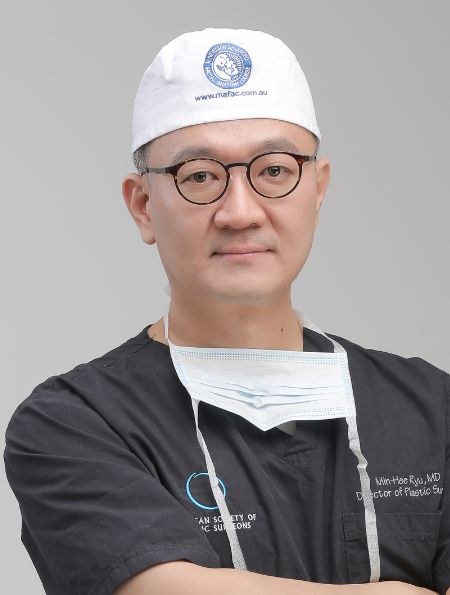
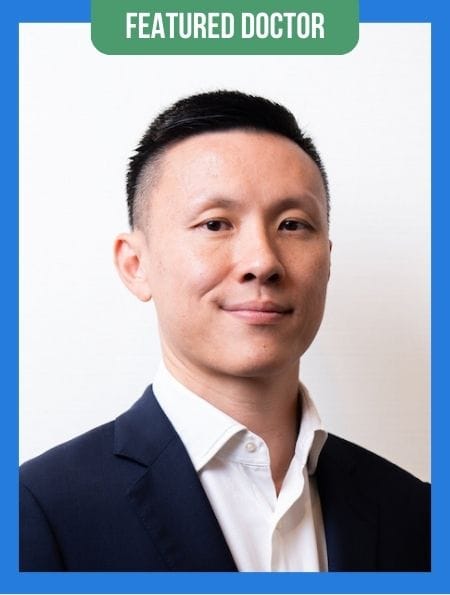
[SG] Featured Doctor

Featured Story
For inquiries or for an introduction to a specialist, contact us below.
Frequently Asked Questions (FAQs)
Does the facelift cost in Singapore include anaesthesia and facility fees?
Usually, reputable clinics include surgeon, anaesthetist, and facility fees in their quotes — but you should always ask for a full cost breakdown to avoid surprises.
Is a facelift covered by MediSave or insurance?
No. Facelifts are regarded as cosmetic and are not eligible for MediSave, although it’s always best to check with your insurer.
3. How long is the recovery period?
Expect about 10–14 days of initial downtime. Most swelling and bruising improve over 3–4 weeks, though results mature over several months.
4. Can I combine a facelift with other procedures to save costs?
Yes. Combining procedures like a neck lift or blepharoplasty may reduce overall costs for anaesthesia and theatre time — but this should be decided with your surgeon.
5. How long do Deep Plane facelift results last?
Deep Plane facelifts are known for longevity, often up to 10–15 years, compared with non‑surgical options that require frequent maintenance.