

Find By 365Asia Preferred Doctor Partner Programme
Dr Dulayanat Aranyapala – Plastic Surgeon in Bangkok
Specialist in Breast Augmentation & Aesthetic Plastic Surgery
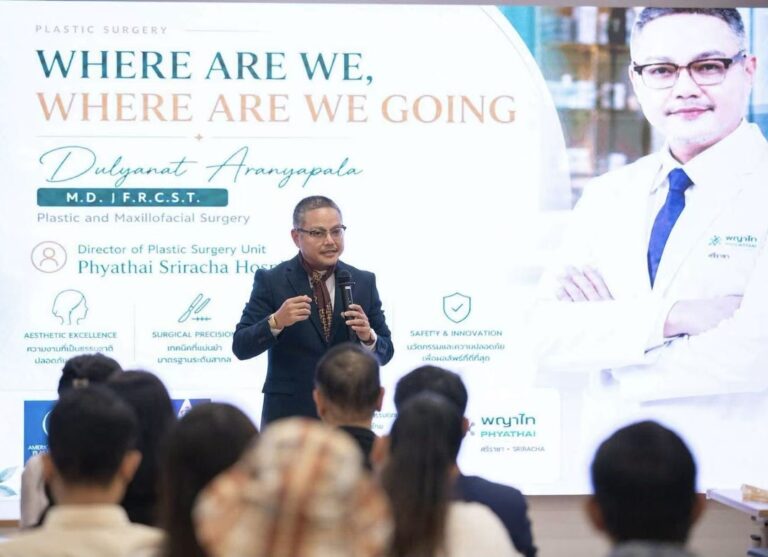
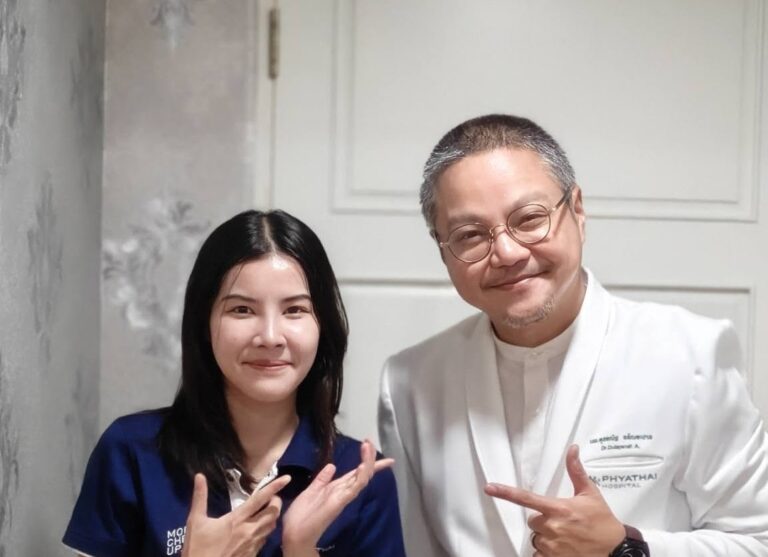
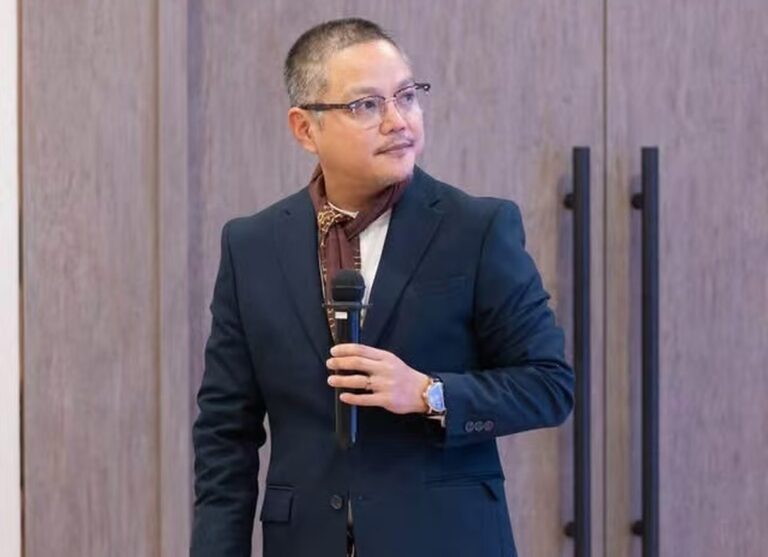
At-a-Glance
Dr. Dulayanat Aranyapala is a board-certified Plastic and Reconstructive Surgeon in Thailand with expertise in aesthetic and reconstructive surgery. He specialises in minimally invasive breast augmentation and cosmetic plastic surgery, with experience in eyelid surgery, facial rejuvenation, Botox, and hyaluronic acid treatments.
✔ Areas of Expertise: Plastic & Reconstructive Surgery, Breast Augmentation
✔ Clinic: Phyathai 2 Hospital (Bangkok, Thai- Google Map)
✔ Language: English, Thai
Know Before You Go: Highly rated for attentive patient care, minimal post-op discomfort, and subtle, natural results.
the vision
Patient Safety First. Natural Beauty That Lasts.
His approach prioritises patient safety, personalised surgical planning, and natural-looking results that complement each patient’s individual features.
– Dr Dulayanat Aranyapala’s Treatment Philosophy
Get To Know
Dr Dulayanat Aranyapala
Dr Dulayanat Aranyapala is a board-certified Plastic and Reconstructive Surgeon in Thailand with over 10 years of experience in aesthetic and reconstructive surgery. He completed his specialist training at Siriraj Hospital, Mahidol University, and holds board certifications in both General Surgery and Plastic Surgery. His expertise includes breast augmentation, facial rejuvenation, eyelid surgery, body contouring, fat grafting, and reconstructive procedures.
Dr. Dulayanat has held clinical and leadership positions within the Phyathai Hospital network, including Director of the Plastic Surgery Center and responsibilities in medical strategy and service development. His approach combines surgical precision, personalised treatment planning, and a strong commitment to patient safety, with an emphasis on achieving natural-looking results.
Expertise in Aesthetic & Reconstructive Surgery
Beyond his clinical practice, Dr. Dulayanat previously served as a medical lecturer in the Department of Surgery at Prince of Songkla University. His additional training includes aesthetic surgery programmes in South Korea, specialised breast surgery workshops, and advanced VASER liposuction and fat grafting courses.
His clinical interests include endoscopic breast augmentation, facial aesthetic surgery, and reconstructive techniques. Combining specialist surgical training with experience in medical education and hospital management, Dr. Dulayanat focuses on delivering individualised care that balances aesthetic goals with long-term patient wellbeing.
8 Features of Dr Dulayanat’s Breast Augmentation
- Personalised Surgical Planning
- Natural-Looking Breast Shape and Proportions
- Implant Size and Shape Tailored to Each Patient
- Advanced Implant Placement Techniques
- Careful Incision Planning to Minimise Visible Scarring
- Precision Surgery with Bleeding-Control Techniques
- Implant Insertion Techniques to Reduce Contamination
- Patient Safety and Post-Operative Care
10 Questions & Answers
1. What is Dr Dulayanat Aranyapala's professional background?
Dr Dulayanat Aranyapala is a board-certified Plastic and Reconstructive Surgeon in Thailand, with over 10 years of experience. He completed his specialist training at Siriraj Hospital, Mahidol University, and holds certifications in both General Surgery and Plastic Surgery. He has also undertaken advanced aesthetic surgery training in South Korea.
2. What are Dr Dulayanat's main areas of expertise?
His expertise includes breast augmentation, facial rejuvenation, eyelid surgery, body contouring, fat grafting, and reconstructive surgery. He has particular experience in advanced breast augmentation techniques and minimally invasive procedures, combining aesthetic goals with careful surgical planning and patient safety.
3. What is Dr Dulayanat's approach to patient care?
His approach emphasises patient safety, personalised treatment planning, and natural-looking outcomes. Rather than applying the same technique to every patient, treatment decisions consider individual anatomy, medical history, aesthetic preferences, and realistic expectations. Long-term wellbeing is an important consideration throughout the surgical process.
4. How do patients know if breast augmentation is suitable for them?
Breast augmentation may be considered by patients wishing to increase breast volume, improve symmetry, or restore proportions following pregnancy or weight changes. However, suitability depends on overall health, existing breast tissue, skin elasticity, and individual goals. A detailed consultation is essential before deciding on surgery.
5. How are the right breast implant size and shape selected?
Implant selection involves more than choosing a cup size. The surgeon evaluates chest width, breast tissue thickness, skin elasticity, and body proportions. Round and anatomical implants offer different aesthetic characteristics, while implant placement also affects the final appearance. The aim is to achieve balanced, natural-looking proportions suited to each patient.
6. What advanced techniques are available for breast augmentation?
Modern breast augmentation techniques include endoscopic approaches, dual-plane implant placement, and specialised implant insertion methods. Dr. Dulayanat has experience with endoscopic breast augmentation and techniques designed to improve surgical precision and minimise unnecessary tissue trauma. The most appropriate approach depends on each patient’s anatomy and clinical assessment.
7. What are the main risks of breast augmentation surgery?
As with any surgery, breast augmentation carries potential risks, including infection, bleeding, changes in sensation, implant displacement, and capsular contracture. Careful pre-operative assessment, appropriate implant selection, surgical technique, and follow-up care are important in managing these risks. Patients should discuss possible complications and long-term considerations before proceeding.
8. How long does recovery take after breast augmentation?
Recovery varies depending on the surgical technique and individual healing response. Many patients can gradually resume light daily activities within the first one to two weeks, while strenuous exercise and heavy lifting generally require a longer recovery period. Swelling and tightness may continue to improve over several weeks, with the final breast shape developing gradually.
9. Can breast augmentation be combined with a breast lift?
Yes. Patients experiencing both reduced breast volume and significant sagging may benefit from combining breast augmentation with a breast lift. While implants increase volume, a breast lift reshapes the breast and repositions the nipple when necessary. The appropriate treatment depends on breast anatomy, skin quality, and the degree of sagging.
10. How long do breast implants last, and is long-term follow-up necessary?
Breast implants are not lifetime devices, although many can remain in place for years without complications. Replacement is not automatically required after a fixed period, but ongoing monitoring is important. Patients should attend recommended follow-up appointments and seek medical assessment if they notice changes in breast shape, discomfort, swelling, or other unusual symptoms.
Reviewed Articles
Top 10 Doctors For Breast Augmentation In Bangkok: 365Asia List
- August 23, 2026
- 2 minutes read
- 7107 Views
Featured Videos
Dr. Dulayanat Aranyapala addresses common questions about breast augmentation, including pain, recovery time, post-operative massage, and treatment costs at Phyathai Sriracha Hospital.
Dr. Dulayanat Aranyapala, Director of the Plastic Surgery Center at Phyathai Sriracha Hospital, discusses breast implant features and considerations for patients planning breast augmentation.