

Congratulations on deciding to move forward with a deep plane facelift—a sophisticated procedure known for delivering natural, long-lasting facial rejuvenation. The journey to your stunning results is a partnership between you and your surgical team, and your actions before and after surgery are just as crucial as the procedure itself.
This comprehensive pre-op and post-op guide is designed to empower you with knowledge, setting the stage for a smooth experience and an optimal recovery.
Part 1: The Pre-Operative Guide – Preparing for Success
The weeks leading up to your surgery are your time to prepare your body and your environment for the healing process.
Before Surgery: The Foundation
- Medical Clearance: Your surgeon will likely require clearance from your primary care physician to ensure you are a safe candidate for surgery and anaesthesia.
- Optimise Your Health:
- Nutrition: Focus on a protein-rich diet to aid tissue repair. Stay well-hydrated.
- Smoking & Alcohol: Relatively decrease or stop ultimately.
- Medication Review: Provide your surgeon with a complete list of all medications, including over-the-counter drugs and supplements. You will likely need to stop taking blood thinners like Aspirin, Ibuprofen, and certain herbal supplements (e.g., Vitamin E, Ginkgo Biloba).
The Final Preparations
- Fill Your Prescriptions: Pick up all prescribed post-operative medications (e.g., pain relievers, antibiotics) ahead of time so they are ready when you return home.
- Arrange for Help: Secure a friend or family member to drive you to and from the surgical facility and stay with you for at least the first 24-48 hours.
- Prepare Your Recovery Space: Create a comfortable area with plenty of pillows to keep your head elevated. Gather easy-to-prepare meals, books, and entertainment. Place essential items (phone charger, water, medications) within easy reach.
The Day Before & Day Of Surgery
- Follow Fasting Instructions: You will be given strict instructions on when to stop eating and drinking. Typically, it is recommended to fast for at least eight hours prior to your procedure. Adhering to this is critical for your safety under anaesthesia.
- Hygiene: Shower and wash your hair as per normal.
- Wear Comfortable Clothing: Choose a top that buttons or zips up the front to avoid pulling it over your head after surgery.
Part 2: The Post-Operative Guide – Navigating Your Recovery
Knowing what to expect can make the recovery process much less daunting.
The First 24-48 Hours: Rest & Recovery
- Immediately after: You will be monitored in a recovery area. Your head will be wrapped in a bandage, and you may have small drainage tubes to remove excess fluid. Swelling and bruising are completely normal.
- At-Home Care:
- Rest: Rest comfortably, with your head facing forward.
- Cold Compresses: Gently apply cold packs to your cheeks and neck (not directly on incisions) for 15-20 minutes at a time.
- Manage Drains & Incisions: Follow your surgeon’s specific instructions for drain care and keeping the incision sites clean and dry.
- Diet: Stick to soft, cool, and bland foods and plenty of fluids.
Week 1-2: The Healing Phase
- Swelling & Bruising: This will peak around days 2-3 and then gradually begin to subside. Bruising may travel down the neck, which is normal.
- Suture & Drain Removal: Your drains (if you have them) and sutures are typically removed within the first week.
- Activity: Focus on walking around the house to promote circulation, but avoid any bending, lifting, or straining.
Weeks 3-6: Getting Back to Normal
- Appearance: Much of the significant swelling and bruising will resolve. You will start to see the emerging contours of your new look, though you will still feel some tightness and numbness.
- Social & Work Life: Many people feel comfortable returning to desk work and light social activities around week 3-4.
- Exercise: You can gradually reintroduce light exercise, but must avoid anything that raises your blood pressure for at least 6 weeks.
Months 3-6: Seeing Your Results
- Final Results: As the residual swelling continues to fade and the tissues settle, your final, natural-looking results will become fully apparent. The longevity of your Deep Plane Facelift makes this procedure well worth it.
Essential Do’s and Don’ts for Optimal Healing
DO:
- DO attend all your follow-up appointments.
- DO stay hydrated and eat nutritiously.
- DO be patient with the healing process.
- DO wash your hair, but keep the incision areas dry.
DON’T:
- DON’T smoke or use nicotine products.
- DON’T expose your incisions to direct sun; use high-SPF sunscreen once healed.
- DON’T rush back into strenuous activities.
Conclusion: Your Journey to a Rejuvenated You
A deep plane facelift is a significant investment in yourself. By meticulously following this pre- and post-operative guide, you are actively contributing to a safer experience and a more beautiful, long-lasting outcome. Always defer to the specific instructions provided by your surgical team, as their guidance is tailored to your personal procedure and needs.
Disclaimer: This guide is for informational purposes only and does not replace professional medical advice. Always follow the specific instructions provided by your board-certified plastic surgeon.
Resources
- American Society of Plastic Surgeons – Facelift Recovery – (https://www.plasticsurgery.org/reconstructive-procedures/facelift/recovery)
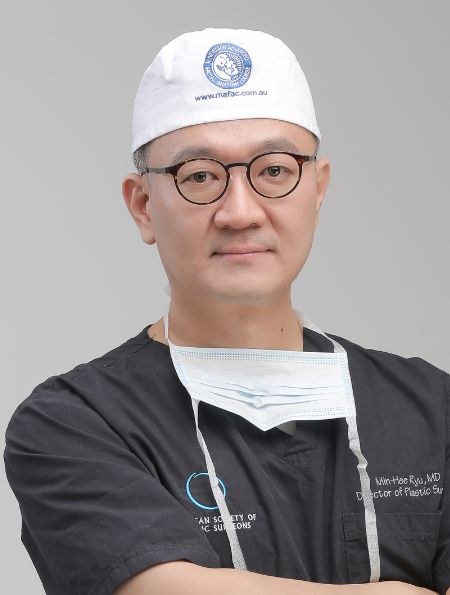
This article was reviewed by Dr MinHee Ryu.
Dr Minhee Ryu is a globally recognised Board-Certified Plastic Surgeon based in Seoul, South Korea, widely acknowledged as a leading authority in the Deep Plane Facelift. Renowned for his advanced techniques and commitment to natural, long-lasting results, he has shared his expertise as a Faculty member at the prestigious MAFAC (Mendelson Advanced Facial Anatomy Course) since 2016 and serves on the Editorial Board of the Aesthetic Plastic Surgery Journal.