
What Is A Gastric Balloon Procedure?
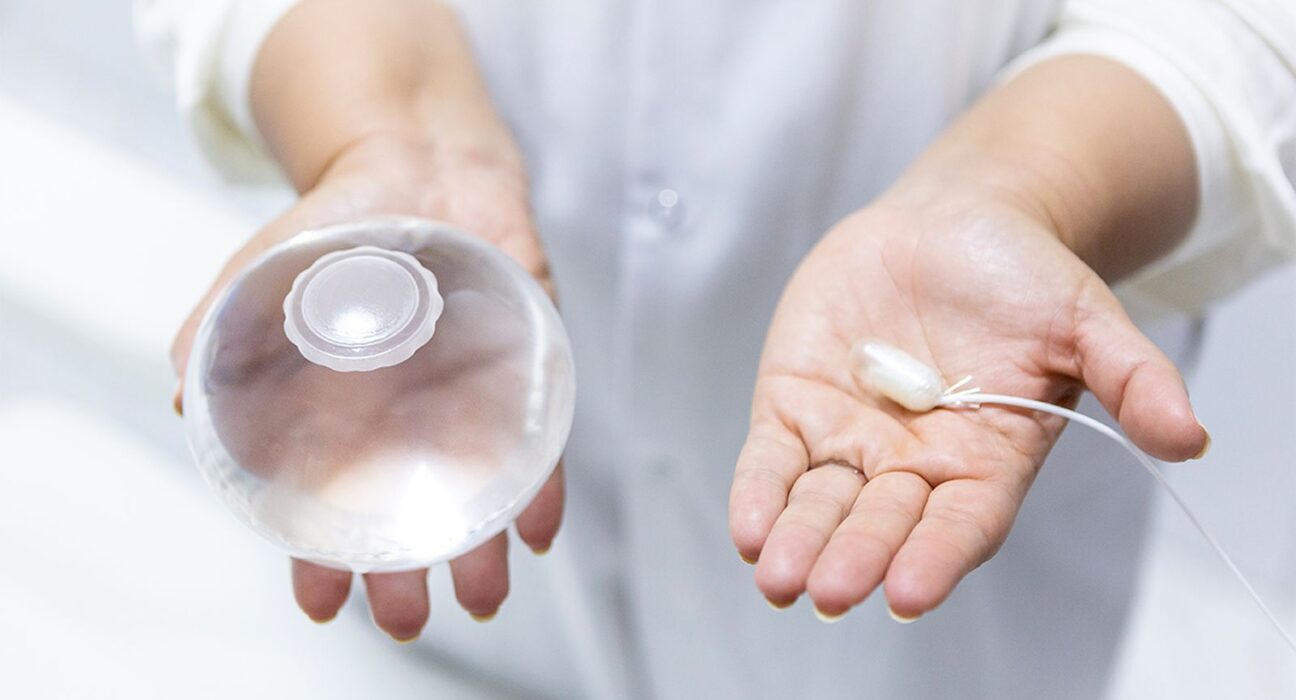
A gastric balloon procedure—clinically known as intragastric balloon placement—is a non-surgical, minimally invasive bariatric intervention designed to induce significant weight loss. The procedure involves placing a deflated medical-grade silicone balloon into the stomach (typically via endoscopy or, in some modern variants, by swallowing a capsule). Once correctly positioned, the balloon is filled with sterile saline or gas, occupying substantial gastric space. This restricts food intake, delays gastric emptying, and promotes an early and prolonged sensation of satiety.
In South Korea, non-surgical weight management using intragastric balloons has gained immense popularity. It serves as an effective, temporary metabolic intervention for individuals who wish to bridge the gap between pharmacological therapies (like GLP-1 weight-loss injections) and invasive bariatric surgeries (such as sleeve gastrectomies).
Gastric Balloon Procedures in Seoul
South Korea is recognised globally for its highly structured advanced gastroenterology and metabolic healthcare systems. Seoul operates under strict medical regulations monitored by the Ministry of Health and Welfare (MOHW). Clinics and university medical centres treating international patients must hold specific accreditations, ensuring they comply with rigorous standards of patient safety, transparent pricing, and robust endoscopic infection control protocols. Consequently, medical tourists benefit from a regulated environment that prioritises clinical precision and structured nutritional post-operative care.
What Are the Types of Gastric Balloons Available in Seoul?
Gastroenterologists and bariatric surgeons in Seoul provide several intragastric systems tailored to individual anatomical tolerance and weight-loss goals:
- Endoscopic Intragastric Balloons (e.g., Orbera): A traditional silicone balloon placed endoscopically under mild sedation. It remains in the stomach for 6 months before being removed via a second brief endoscopic procedure.
- Adjustable Gastric Balloons (e.g., Spatz3): An endoscopically placed balloon that allows the physician to adjust the fluid volume (up or down) during the treatment period (up to 12 months) to manage intolerance or stimulate further weight loss.
- Swallowable Gastric Balloons (e.g., Elipse / Allurion): A revolutionary capsule swallowed with water during a brief outpatient visit (no anaesthesia required, position confirmed via X-ray). The balloon naturally degrades and is safely excreted through the digestive tract after approximately 16 weeks.
Who Is A Suitable Candidate For A Gastric Balloon?
A clinical consultation with a bariatric specialist is recommended if you:
- Have a Body Mass Index (BMI) between 27 and 40 and are looking to achieve significant weight loss without undergoing permanent anatomical surgical alterations.
- Have experienced difficulty losing weight through conventional diet and exercise and require a structured, medically supervised intervention to control portion sizes.
- Need a temporary metabolic tool to mitigate early-stage obesity-related comorbidities, such as joint pain or insulin resistance.
- Are considered too high-risk for general anaesthesia or invasive bariatric surgery.
- Need to lose a specific amount of weight prior to undergoing a different elective surgery (such as orthopaedic joint replacement or complex hernia repair) to reduce surgical risks.
What Are The Costs Of Pre-Operative Consultation & Diagnostics?
Thorough clinical screening and upper gastrointestinal evaluation are vital for safe endoscopic outcomes. Below are the estimated costs for consultations and diagnostics in Seoul:
| Screening / Diagnostic Test | Function & Description | Estimated Cost (Private Sector) |
| Specialist Gastroenterology Consultation | Comprehensive assessment of BMI, metabolic history, and suitability for endoscopic placement by a board-certified specialist. | KRW 40,000 – KRW 120,000 (Often waived if procedure is booked) |
| Diagnostic Endoscopy (Gastroscopy) | Evaluates the oesophagus and stomach to rule out active ulcers, severe hiatal hernias, or H. pylori infections prior to placement. | KRW 100,000 – KRW 300,000 |
| Pre-Op Health Screening | Mandatory blood tests, coagulation profile, and ECG to ensure fitness for conscious sedation. | KRW 100,000 – KRW 200,000 |
Disclaimer: The above estimates are for premier medical centres in Seoul in 2026. Prices will vary depending on the facility and the inclusion of multilingual concierge or translation services. Please check directly with your chosen healthcare provider for up-to-date pricing.
Which Doctor For A Gastric Balloon?
Intragastric balloon insertion requires a coordinated medical team to ensure precision, safety, and long-term metabolic success:
- Board-Certified Gastroenterologist or Bariatric Surgeon: Your primary specialist must hold certification from the Korean Society of Gastrointestinal Endoscopy (KSGE) or the Korean Society for Metabolic and Bariatric Surgery (KSMBS). They possess comprehensive training in therapeutic endoscopy and managing gastric anatomy.
- Clinical Dietitian / Nutritionist: A crucial team member who provides structured dietary plans to help patients adapt to the balloon and establish lifelong healthy eating habits once the balloon is removed.
Preferred Doctors in Seoul



Which Hospitals And Medical Centres Provide Gastric Balloon Procedures?
Seoul features specialised bariatric medical centres and university hospital gastroenterology divisions designed to accommodate international patients. Prominent institutions in Gangnam, Songpa, and Seocho—such as Asan Medical Center, Samsung Medical Center, Gangnam Severance Hospital and Seoul St. Mary’s Hospital—offer world-class endoscopic suites.
These centres provide emergency backup systems, sterile endoscopy operating theatres, and in-house multilingual coordinators. Furthermore, university medical centres, including Korea University Anam Hospital and Seoul National University Hospital, are highly equipped to manage patients requiring complex multidisciplinary metabolic oversight.
What Is The Cost Of A Gastric Balloon In Seoul?
Procedural fees in Seoul vary depending on the specific balloon system used, the duration of the treatment, and the operating facility.
| Treatment / Procedure | Clinical Description | Estimated Cost (KRW)* | Estimated Cost (USD)* |
| Endoscopic Intragastric Balloon (e.g., Orbera) | Placement via endoscopy under conscious sedation (6-month duration). | ₩3,500,000 – ₩5,500,000 | $2,625 – $4,125 |
| Adjustable Gastric Balloon (e.g., Spatz3) | Endoscopically placed with the ability to adjust fluid volume (up to 12 months). | ₩4,500,000 – ₩6,500,000 | $3,375 – $4,875 |
| Swallowable Gastric Balloon (e.g., Elipse/Allurion) | Swallowable capsule requiring no anaesthesia or endoscopic removal. | ₩4,000,000 – ₩6,000,000 | $3,000 – $4,500 |
| Endoscopic Removal Procedure | Required for Orbera and Spatz3 balloons at the end of the treatment term. | ₩800,000 – ₩1,500,000 | $600 – $1,125 |
Disclaimer: Prices listed are estimates only and do not constitute a fixed quote. Actual costs may vary based on individual anatomical needs, practitioner qualifications, and the inclusion of post-operative nutritional care packages. A formal cost breakdown is provided following a clinical assessment.
Recovery & Adaptation
Understanding the physiological adaptation timeline helps international patients plan travel and time off work:
| Recovery Phase | Timeline | Patient Action & Clinical Milestones |
| Immediate Adaptation (Gastric Accommodation) | Days 1 – 4 | The stomach adjusts to the balloon’s presence. Expect moderate to severe nausea, cramping, and occasionally vomiting. Patients adhere strictly to a clear liquid diet and take prescribed anti-nausea medications. |
| Dietary Transition | Days 5 – 14 | Nausea subsides significantly. Patients transition from pureed foods to soft solids under the guidance of a clinical dietitian. Hydration remains a priority. |
| Return to Normalcy | Weeks 2 – 3 | Patients can typically resume desk jobs, light daily activities, and social outings. A structured, portion-controlled solid food diet is established. |
| Physical Activity | Weeks 4+ | Cleared to resume strenuous cardiovascular exercise and weight training, which is crucial for maximising metabolic weight loss while the balloon is in place. |
Risks And Potential Side Effects
While intragastric balloons are a very safe non-surgical intervention, being aware of possible complications supports informed decision-making:
- Severe Nausea and Cramping: The most common side effect during the first week as the stomach attempts to digest the balloon. This is managed with prescribed antiemetic and antispasmodic medications.
- Gastric Ulcers or Reflux: The balloon can irritate the stomach lining or exacerbate acid reflux. Patients are routinely prescribed daily proton pump inhibitors (PPIs) to reduce stomach acid production.
- Balloon Deflation (Rare): If an endoscopic balloon leaks, a safe blue dye (added to the saline) will turn the patient’s urine green, alerting them to seek immediate removal before the balloon can migrate into the intestines.
- Bowel Obstruction (Very Rare): Can occur if a deflated balloon passes into the small intestine and becomes lodged, which may require surgical intervention.
Selecting a KSGE or KSMBS board-certified specialist and adhering strictly to dietary and medication instructions significantly reduces these risks.
Insurance And Financing Considerations
Elective non-surgical weight loss procedures like gastric balloons are generally not covered by standard private medical insurance or the Korean National Health Insurance Service (NHIS). They are typically classified as out-of-pocket elective expenses. International patients should consult their insurance providers before travelling, though coverage for medical tourism obesity treatments remains rare.
Value-Added Tax (VAT) Refunds
The South Korean government supports visiting medical tourists through a Value-Added Tax (VAT) refund programme. Eligible international patients receiving elective metabolic treatments at MOHW-registered medical centres can claim an approximate 7% to 8% tax rebate. Refunds are processed at airport customs desks or designated urban tax-refund kiosks.
Frequently Asked Questions (FAQs)
1. Why is Seoul a popular destination for gastric balloon procedures?
Seoul is globally recognised for its advanced endoscopic technologies, high concentration of board-certified gastroenterologists, and multidisciplinary approach to metabolic health. Medical centres maintain strict safety protocols, transparent pricing, and structured concierge care tailored to international visitors.
2. How long should international patients stay in Seoul after a gastric balloon placement?
Patients are generally advised to remain in Seoul for 5 to 7 days post-placement. This duration allows sufficient time to overcome the initial intense nausea phase under medical supervision, receive intravenous hydration if necessary, and gain medical clearance before boarding an international flight.
3. Will I regain weight after the gastric balloon is removed?
The gastric balloon is a temporary tool designed to kickstart weight loss and help you learn portion control. Long-term success relies entirely on maintaining the healthy dietary and exercise habits established during the 6 to 12 months the balloon was in place. Without lifestyle changes, weight regain is possible.
4. Does the swallowable balloon really not require an endoscopy?
Yes. The Allurion (Elipse) balloon is swallowed as a capsule attached to a thin catheter. Once an X-ray confirms it is in the stomach, it is filled with fluid. After approximately 16 weeks, a timed-release valve opens, the balloon empties, and it passes naturally through the digestive tract.
5. How can patients manage post-operative follow-up after returning home?
Accredited medical centres in Seoul provide comprehensive nutritional guidelines and aftercare instructions in English. Many clinics conduct scheduled telehealth consultations with their clinical dietitians to monitor your weight loss progress and adapt your dietary plan over the duration of the balloon placement.
Contact Us
If you are planning an initial consultation for non-surgical weight loss, seeking a second opinion, or exploring the differences between various gastric balloon systems, we can help arrange a consultation with top bariatric specialists in Seoul. Contact us via the button below.
Additional Resources
- Korean Society for Metabolic and Bariatric Surgery (KSMBS).
- Korean Society of Gastrointestinal Endoscopy (KSGE).
- Ministry of Health and Welfare (MOHW).
- International Federation for the Surgery of Obesity and Metabolic Disorders (IFSO) | Patient Safety Standards