

What Is A Lifting Treatment?
A lifting treatment refers to non-invasive and minimally invasive dermatological procedures designed to tighten loose skin, stimulate collagen synthesis, and restore structural firmness to the face and neck. As natural aging occurs, the depletion of collagen and elastin fibres leads to tissue laxity, fine lines, and contour descent.
Modern aesthetic medicine in Seoul addresses these concerns through energy-based device technologies—such as High-Intensity Focused Ultrasound (HIFU) and Radiofrequency (RF)—as well as minimally invasive treatments like absorbable PDO thread lifts. These modalities target deeper dermal layers or the Superficial Musculoaponeurotic System (SMAS) without requiring major surgical incisions.
Lifting Treatments in Seoul
South Korea is recognised globally for its structured aesthetic healthcare system. Seoul operates under strict medical regulations monitored by the Ministry of Health and Welfare (MOHW). Clinics offering medical tourism services must hold specific accreditations, ensuring they comply with high standards of patient safety, transparent pricing, and robust infection control protocols. Consequently, international patients benefit from a heavily regulated environment that prioritises clinical precision and structured post-treatment care.
What Are the Types of Lifting Treatments in Seoul?
Dermatologists and plastic surgeons in Seoul provide several non-surgical and minimally invasive lifting techniques tailored to individual skin conditions:
- HIFU (High-Intensity Focused Ultrasound / Ultherapy Prime): Focuses ultrasound energy at precise depths (targeting the SMAS layer at 4.5mm) to trigger thermal coagulation points, stimulating deep collagen remodeling and tightening.
- Monopolar Radiofrequency (Thermage FLX): Delivers bulk heating uniformly across the dermis and subcutaneous fat layer to compact collagen fibres and improve skin texture and firmness.
- RF Microneedling (Potenza / Scarlet): Combines microneedling with fractional radiofrequency energy to simultaneously trigger dermal wound healing, tighten skin, and improve pore laxity.
- Minimally Invasive PDO Thread Lift: Inserts medical-grade absorbable threads (polydioxanone) beneath the skin to mechanically reposition sagging tissue while boosting local collagen production.
- Laser Skin Rejuvenation (Pico Laser / Skin Boosters): Complementary energy treatments used to refine superficial skin tone, smooth fine lines, and enhance overall dermal hydration.
Who Is A Suitable Candidate For A Lifting Treatment?
A clinical consultation is recommended if you:
- Notice early-to-moderate skin laxity, subtle jowling along the jawline, or mild sagging around the cheeks and eyebrows.
- Wish to achieve a firmer, more lifted facial contour without undergoing invasive surgical interventions or enduring long downtimes.
- Desire preventative anti-ageing care to stimulate long-term collagen and elastin production in your late twenties or thirties.
- Have experienced skin laxity post-weight loss or age-related volume reduction.
- Seek a complementary maintenance treatment following a prior surgical facelift or thread lift.
What Are The Costs Of Pre-Treatment Consultation & Diagnostics?
Thorough clinical screening and skin analysis are vital for achieving safe and effective aesthetic outcomes. Below are the estimated consultation and diagnostic costs in Seoul:
| Screening / Diagnostic Test | Function & Description | Estimated Cost (Private Sector)* |
| Dermatologist Consultation | Comprehensive clinical assessment of skin thickness, elasticity, and aging patterns by a board-certified specialist. | KRW 30,000 – KRW 100,000 (Often waived if treatment is booked) |
| Aesthetic 3D Skin Analysis | Utilises advanced optical imaging technology to evaluate hidden pigmentation, dermal density, and pore laxity. | KRW 50,000 – KRW 150,000 |
| Pre-Treatment Medical Screening | Basic medical history review to rule out contraindications such as active dermatitis, metal implants, or bleeding disorders. | Included in Consultation |
*Disclaimer: The above estimates are for premier clinics in Seoul in 2026. Prices will vary depending on the facility, device authenticity, and the inclusion of translation services. Please check directly with your chosen healthcare provider for up-to-date pricing.
Which Doctor For Lifting Treatments?
Aesthetic skin tightening requires a coordinated medical team to ensure patient safety and natural-looking results:
- Board-Certified Dermatologist or Plastic Surgeon: Your primary specialist must hold active credentials and extensive training in advanced energy-based devices and facial anatomy. They ensure precise energy delivery to avoid nerve injury or fat atrophy.
- Trained Aesthetic Medical Staff: Licensed medical practitioners operating under physician supervision assist with patient preparation, topical anaesthesia application, and post-treatment soothing care.
Preferred Doctors
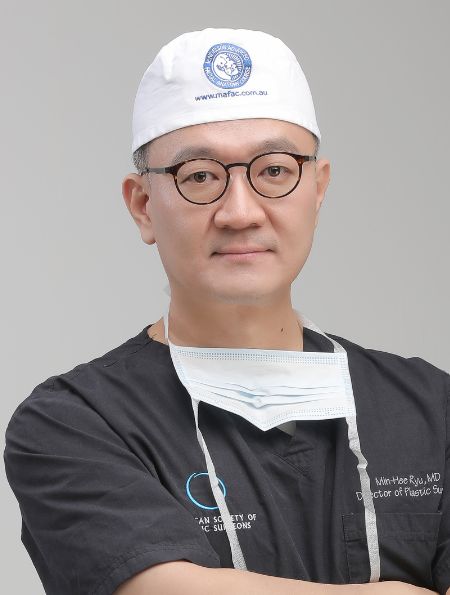
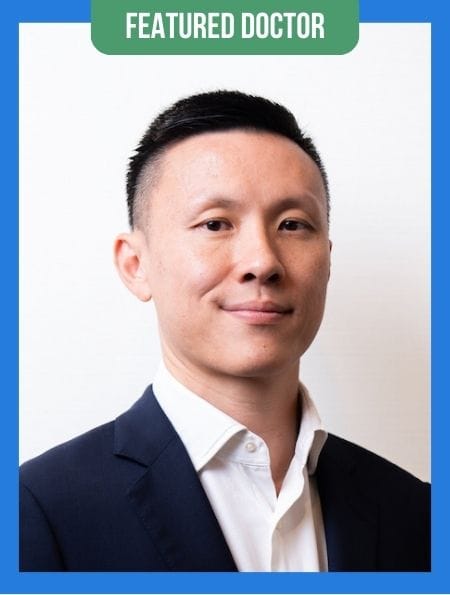
[SG] Featured Doctor
Featured Story
Which Hospitals And Medical Centres Provide Lifting Treatments?
For advanced lifting treatments and dermatological procedures in Seoul, patients can access care across specialised aesthetic clinics and university hospital dermatology departments. Prominent aesthetic centres in Gangnam and Seocho, such as VIEW Plastic Surgery, Banobagi Plastic Surgery Clinic, JK Plastic Surgery Center, and Wonjin Plastic Surgery Clinic, are designed to accommodate international patients.
These centres provide state-of-the-art certified laser platforms, sterile treatment rooms, and in-house multilingual coordinators. Furthermore, university medical centres, including Korea University Anam Hospital, manage complex dermatological conditions and specialized laser therapy.
What Is The Cost Of Lifting Treatments In Seoul?
Treatment fees in Seoul vary depending on the specific technology used, the number of laser shots or threads required, and the operating facility.
| Treatment / Procedure | Clinical Description | Estimated Cost (KRW)* | Estimated Cost (USD)* |
| HIFU / Ultherapy Prime | Ultrasound-based deep tissue tightening targeting the SMAS layer (per 300–600 lines). | ₩1,200,000 – ₩3,500,000 | $900 – $2,600 |
| Thermage FLX (Radiofrequency) | Monopolar RF energy delivery for bulk dermal collagen compaction (600–900 shots). | ₩2,000,000 – ₩4,500,000 | $1,500 – $3,400 |
| RF Microneedling (Potenza) | Fractional radiofrequency combined with microneedling for skin texture and tightening. | ₩500,000 – ₩1,500,000 | $375 – $1,120 |
| PDO Thread Lift (Full Face) | Insertion of absorbable barbed threads to mechanically lift sagging mid-face tissue. | ₩1,500,000 – ₩4,000,000 | $1,120 – $3,000 |
| Combination Lifting Package | Multi-modal protocol combining HIFU, Thermage, and skin boosters for comprehensive rejuvenation. | ₩3,000,000 – ₩7,000,000 | $2,250 – $5,250 |
*Disclaimer: Prices listed are estimates only and do not constitute a fixed quote. Actual costs may vary based on individual skin laxity, clinic tier, device shot counts, and post-treatment care packages. A formal cost breakdown is provided following clinical assessment.
Recovery
Understanding the post-treatment timeline helps international patients plan travel and daily activities:
Standard Recovery Timeline:
| Recovery Phase | Timeline | Patient Action & Clinical Milestones |
| Immediate Recovery | Days 1 – 3 | Mild redness, minor swelling, or temporary tenderness may occur. Apply prescribed moisturisers and high-protection sunscreen. Avoid heavy makeup. |
| Clinical Follow-Up | Days 7 – 10 | Most surface signs of treatment fade completely. For thread lifts, attend a brief check-up to inspect entry points and suture stability. |
| Return to Normalcy | Weeks 2 – 4 | Normal daily routines, skincare regimens, and light exercise can be fully resumed. Mild internal tightness subsides. |
| Collagen Remodeling | Months 2 – 3 | Initial collagen contraction becomes visible. Skin appears visibly firmer and more lifted as neo-collagenesis peaks. |
| Final Results | Months 6 – 12 | Maximum structural lifting and skin tightening effects mature fully. Annual maintenance sessions are commonly recommended. |
Risks
All aesthetic interventions carry potential clinical risks. Being aware of possible complications supports informed decision-making:
- Transient Erythema and Oedema: Mild redness and swelling immediately following energy delivery or thread insertion, which resolves within a few days.
- Temporary Bruising or Numbness: Occurs along needle insertion paths or high-intensity ultrasound treatment zones, resolving spontaneously.
- Asymmetry or Contour Irregularities: Rare uneven tightening or thread displacement, managed through post-treatment clinical adjustments.
- Thermal Burns or Blistering: Extremely rare complications associated with improper device calibration, mitigated by certified practitioners using authentic equipment.
- Infection: Minimised through strict sterile clinic protocols and prescribed topical or oral prophylactic care.
Selecting a certified practitioner and verifying authentic device tips (such as authentic Thermage or Ultherapy verification codes) significantly reduces these risks.
What Are The Insurance And Financing Considerations For Lifting Treatments?
Elective aesthetic lifting procedures are not covered by standard private medical insurance or the Korean National Health Insurance Service. These are elective cosmetic enhancements meant for skin revitalisation and anti-ageing. International patients should consult their private insurance providers before travelling if coverage applies to specific dermatological conditions.
Value-Added Tax (VAT) Refunds
The South Korean government supports visiting medical tourists through a Value-Added Tax (VAT) refund programme. Eligible international patients receiving aesthetic treatments at MOHW-registered medical centres can claim an approximate 7% to 8% tax rebate. Refunds are processed at airport customs desks or designated urban tax-refund kiosks.
FAQs
1. Why is Seoul a popular destination for lifting treatments?
Seoul is globally renowned for its advanced aesthetic dermatology sector, housing cutting-edge certified devices and high volumes of experienced practitioners. Clinics offer transparent tiered pricing, customized multi-modal protocols, and meticulous post-treatment care tailored to international visitors.
2. How long should international patients stay in Seoul after a lifting treatment?
Most non-invasive lifting procedures (such as HIFU or Thermage) require zero downtime, allowing patients to fly home immediately or within 1 to 2 days. For minimally invasive thread lifts, patients are advised to remain in Seoul for 3 to 5 days to allow initial entry-point healing and a follow-up check.
3. Will non-invasive lifting treatments replace a surgical facelift?
Non-invasive lifting devices and thread lifts are highly effective for mild-to-moderate skin laxity and early aging signs. However, they cannot remove excess skin or reposition deep muscle fascia to the same extent as a surgical deep plane facelift. A specialist consultation helps determine which approach matches your anatomical needs.
4. How can I verify that the clinic uses authentic lifting devices?
Reputable clinics in Seoul proudly display official authentication certificates issued by device manufacturers (such as Merz for Ultherapy or Solta Medical for Thermage). Patients can also request to see the single-use treatment tip packaging opened in front of them prior to the procedure.
5. How can patients manage post-treatment follow-up after returning home?
Accredited medical centres in Seoul provide comprehensive aftercare instructions in English. Many clinics conduct scheduled telehealth consultations and coordinate with your local dermatologist should follow-up questions arise.
Contact Us
If you are planning a non-invasive lifting procedure, exploring combination anti-ageing protocols, or seeking a professional skin assessment, we can help arrange a consultation with experienced aesthetic specialists in Seoul. Contact us via the button below.oring revision facial surgery, we can help arrange a consultation with experienced plastic surgeons in Seoul. Contact us via the button below.
Additional Resources
- Korean Society of Plastic and Reconstructive Surgeons (KSPRS).
- Medical Tourism Accreditation | Ministry of Health and Welfare (MOHW), Republic of Korea.
- Patient Safety Standards | International Society of Aesthetic Plastic Surgery (ISAPS).
- Joint Commission International (JCI)