

What Is Eyelid Surgery?
Eyelid surgery—clinically known as blepharoplasty—is a surgical procedure designed to improve the appearance, symmetry, and functional contour of the upper or lower eyelids. The procedure addresses excess skin, protruding orbital fat, and muscle laxity around the periorbital region.
In South Korea, eyelid surgery is one of the most frequently performed cosmetic procedures. It encompasses both functional corrections (such as relieving obstructed peripheral vision caused by drooping upper eyelids or ptosis) and aesthetic enhancements (such as double eyelid creation, epicanthoplasty, and under-eye fat repositioning).
Eyelid Surgery in Seoul
South Korea is recognised globally for its structured aesthetic healthcare system. Seoul operates under strict medical regulations monitored by the Ministry of Health and Welfare (MOHW). Clinics treating international patients must hold specific accreditations, ensuring they comply with high standards of patient safety, transparent pricing, and robust infection control protocols. Consequently, medical tourists benefit from a regulated environment that prioritises clinical precision and structured post-operative care.
What Are the Types of Eyelid Surgery in Seoul?
Plastic surgeons in Seoul provide several surgical techniques tailored to unique anatomical requirements:
- Incisional Double Eyelid Surgery: Creates a permanent natural crease by making a precise incision along the eyelid, removing excess skin and muscle, and securing the dermal layer.
- Non-Incisional / Suture Method (Buried Suture): Uses strategic microscopic punctures and continuous sutures to anchor the eyelid skin to the tarsal plate without skin excision, suited for patients with minimal upper eyelid fat.
- Ptosis Correction (Eye-Muscle Adjustment): Tightens the levator muscle internally to correct drooping eyelids (lazy eye appearance) and enhance eye openness.
- Epicanthoplasty & Lateral Canthoplasty: Modifies the inner (medial) or outer (lateral) eye corners to lengthen horizontal eye width and soften sharp eye slants.
- Lower Blepharoplasty & Fat Repositioning: Re-distributes bulging under-eye fat into tear troughs or excises excess lower eyelid skin to eliminate eyebags and smooth hollows.
- Revision Eyelid Surgery: Corrects asymmetry, overly wide or loose creases, visible scarring, or unnatural tension resulting from previous operations.
Who Is A Suitable Candidate For Eyelid Surgery?
A clinical consultation is recommended if you:
- Desire to create a defined double eyelid crease or improve symmetry between asymmetrical eyes.
- Experience heavy, sagging upper eyelid skin that creates a tired appearance or obstructs your upper visual field.
- Notice prominent under-eye bags, dark shadows, or hollow tear troughs beneath the lower eyelids.
- Have mild upper eyelid muscle weakness (ptosis) that makes your eyes look drowsy or strained.
- Seek restorative revision surgery to correct undesirable outcomes from a prior eyelid procedure.
What Are The Costs Of Pre-Operative Consultation & Diagnostics?
Thorough clinical screening and preoperative planning are vital for safe aesthetic and functional outcomes. Below are the estimated costs for consultations in Seoul:
| Screening / Diagnostic Test | Function & Description | Estimated Cost (Private Sector)* |
| Specialist Consultation | Comprehensive clinical assessment of eyelid skin elasticity, fat volume, and levator muscle function by a board-certified surgeon. | KRW 30,000 – KRW 100,000 (Often waived if surgery is booked) |
| Ophthalmologic & Vision Screening | Evaluates tear production, corneal health, and baseline visual fields to rule out underlying ocular conditions. | KRW 50,000 – KRW 150,000 |
| Pre-Op Health Screening | Mandatory blood tests, coagulation profile, and general health check to ensure fitness for local or sedation anaesthesia. | KRW 100,000 – KRW 200,000 |
*Disclaimer: The above estimates are for premier clinics in Seoul in 2026. Prices will vary depending on the facility and the inclusion of translation services. Please check directly with your chosen healthcare provider for up-to-date pricing.
Which Doctor For Eyelid Surgery?
Aesthetic and functional eyelid surgery requires a coordinated medical team to ensure precision and safety:
- Board-Certified Plastic Surgeon: Your primary specialist must hold certification from the Korean Society of Plastic and Reconstructive Surgeons (KSPRS). They possess comprehensive training in delicate periorbital micro-dissection, muscle alignment, and symmetrical crease anchoring.
- Board-Certified Anaesthesiologist: While most eyelid procedures are performed under local anaesthesia with deep sedation, accredited clinics employ dedicated in-house anaesthesiologists to monitor patient comfort and vital signs continuously throughout the operation.
Preferred Doctors
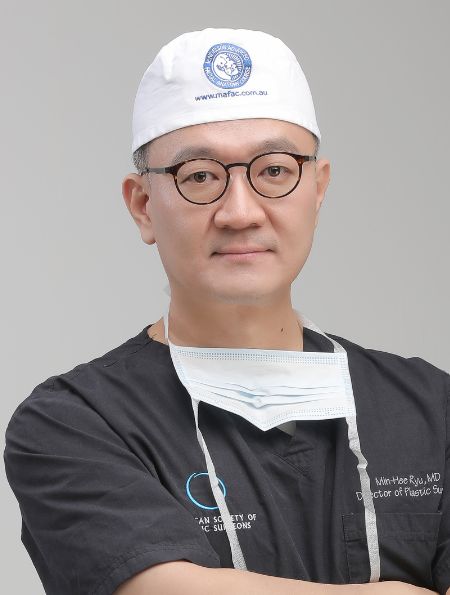
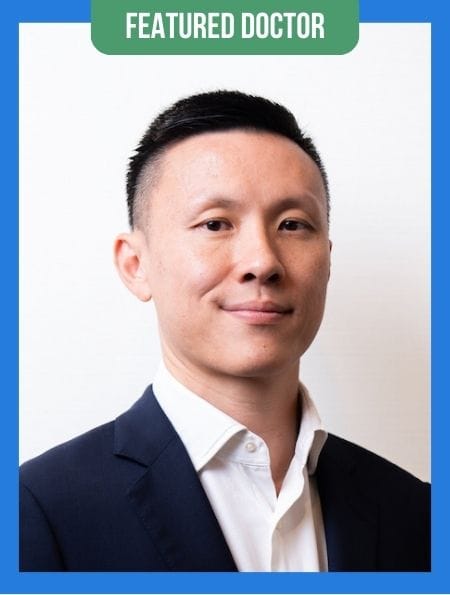
[SG] Featured Doctor
Featured Story
Which Hospitals And Medical Centres Provide Eyelid Surgery?
Seoul features specialised aesthetic medical centres and university hospital plastic surgery divisions. Prominent aesthetic centres in Gangnam and Seocho, such as VIEW Plastic Surgery, Banobagi Plastic Surgery Clinic, JK Plastic Surgery Center, and Wonjin Plastic Surgery Clinic are designed to accommodate international patients.
These centres provide emergency backup systems, sterile operating theatres, and in-house multilingual coordinators. Furthermore, university medical centres, including Korea University Anam Hospital, manage high-complexity functional reconstructions and congenital eyelid abnormalities.
What Is The Cost Of Eyelid Surgery In Seoul?
Surgical fees in Seoul vary depending on the specific technique, surgical complexity, and operating facility.
| Treatment / Procedure | Clinical Description | Estimated Cost (KRW)* | Estimated Cost (USD)* |
| Non-Incisional Double Eyelid Surgery | Buried suture technique creating a natural crease without skin excision. | ₩1,200,000 – ₩2,500,000 | $900 – $1,875 |
| Incisional Double Eyelid Surgery | Full incision method removing excess tissue and anchoring a permanent crease. | ₩2,000,000 – ₩4,000,000 | $1,500 – $3,000 |
| Ptosis Correction (Eye-Muscle Adjustment) | Internal muscle shortening to correct drooping eyelids and improve eye opening. | ₩2,500,000 – ₩5,000,000 | $1,875 – $3,750 |
| Canthoplasty (Epicanthoplasty / Lateral) | Surgical modification of inner or outer eye corners to widen eye shape. | ₩1,000,000 – ₩2,500,000 | $750 – $1,875 |
| Lower Blepharoplasty & Fat Repositioning | Transconjunctival or subciliary approach eliminating eyebags and smoothing tear troughs. | ₩2,500,000 – ₩5,500,000 | $1,875 – $4,125 |
| Revision Eyelid Surgery | Complex corrective surgery addressing asymmetry, scarring, or unfavorable creases. | ₩3,000,000 – ₩7,000,000 | $2,250 – $5,250 |
*Disclaimer: Prices listed are estimates only and do not constitute a fixed quote. Actual costs may vary based on individual anatomical needs, practitioner qualifications, and post-operative care packages. A formal cost breakdown is provided following clinical assessment.
Recovery
Understanding the recovery timeline helps international patients plan travel and time off work:
Standard Recovery Timeline:
| Recovery Phase | Timeline | Patient Action & Clinical Milestones |
| Immediate Recovery | Days 1 – 3 | Rest with the head elevated. Expect moderate swelling, bruising, and tightness around the eyes. Apply cold compresses as instructed. |
| Clinical Follow-Up | Days 5 – 7 | Return to the clinic for incision inspection, stitch removal, and professional deswelling treatments (e.g., LED light therapy). |
| Return to Normalcy | Weeks 2 – 4 | Patients can typically resume desk jobs, light daily activities, and social outings. Major bruising fades significantly. Contact lenses can usually be worn. |
| Physical Activity | Weeks 4 – 6 | Cleared to resume strenuous cardiovascular exercise and heavy lifting. Eye makeup can be safely applied without pulling the skin. |
| Final Results | Months 3 – 6 | Residual swelling resolves entirely. Eyelid creases settle into their final, natural anatomical contours, and scars continue to fade. |
Risks
All surgical interventions carry potential clinical risks. Being aware of possible complications supports informed decision-making:
- Prolonged Oedema and Ecchymosis: Persistent swelling and bruising around the orbital socket, which resolves gradually over several weeks.
- Asymmetry: Minor discrepancies in crease height or contour between both eyes, which may require minor fine-tuning during the healing phase.
- Dry Eyes or Temporary Irritation: Temporary difficulty closing the eyes completely during sleep or dryness, managed with lubricating eye drops.
- Visible Scarring: Although incisions are hidden within natural creases or lash lines, rare hypertrophic scarring can occur.
- Infection or Bleeding: Minimised through strict sterile operating theatre protocols and prescribed prophylactic antibiotics.
Selecting a KSPRS board-certified surgeon and adhering closely to post-operative eye care instructions significantly reduces these risks.
What Are The Insurance And Financing Considerations For Eyelid Surgery?
Elective cosmetic eyelid procedures are not covered by standard private medical insurance or the Korean National Health Insurance Service. However, functional blepharoplasty or ptosis correction prescribed to treat documented visual field impairment or severe functional obstruction may qualify for partial coverage. International patients should consult their insurance providers before travelling.
Value-Added Tax (VAT) Refunds
The South Korean government supports visiting medical tourists through a Value-Added Tax (VAT) refund programme. Eligible international patients receiving aesthetic treatments at MOHW-registered medical centres can claim an approximate 7% to 8% tax rebate. Refunds are processed at airport customs desks or designated urban tax-refund kiosks.
FAQs
1. Why is Seoul a popular destination for eyelid surgery?
Seoul is globally recognised for its advanced periorbital surgical techniques, high concentration of board-certified plastic surgeons, and refined aesthetic philosophies. Medical centres maintain strict safety protocols, transparent pricing, and structured concierge care tailored to international visitors.
2. How long should international patients stay in Seoul after eyelid surgery?
Patients are generally advised to remain in Seoul for 7 to 10 days. This duration allows sufficient time for preliminary healing, wound monitoring, stitch removal (typically performed on day 5 to 7), and medical clearance before boarding an international flight.
3. Will eyelid surgery leave visible scars?
Surgeons in Seoul meticulously place incisions within the natural eyelid creases, along the lash line, or inside the lower eyelid (transconjunctival approach). As healing progresses over 3 to 6 months, these fine incisions fade and become virtually unnoticeable.
4. Can double eyelid surgery be reversed?
If performed using the non-incisional (buried suture) method, the sutures can theoretically be removed or adjusted, though it is best done early. Incisional double eyelid surgery creates permanent structural alterations designed to be lasting, making revision surgery necessary if modifications are desired later.
5. How can patients manage post-operative follow-up after returning home?
Accredited medical centres in Seoul provide comprehensive discharge documentation and aftercare guides in English. Many clinics conduct scheduled telehealth consultations and coordinate with your local primary physician should follow-up questions arise.
Contact Us
If you are planning a primary eyelid procedure, seeking a second opinion, or exploring complex revision eye surgery, we can help arrange a consultation with top plastic surgeons in Seoul. Contact us via the button below.
Additional Resources
- Korean Society of Plastic and Reconstructive Surgeons (KSPRS).
- Medical Tourism Accreditation | Ministry of Health and Welfare (MOHW), Republic of Korea.
- Patient Safety Standards | International Society of Aesthetic Plastic Surgery (ISAPS).
- Joint Commission International (JCI)