

What Is A Deep Plane Facelift?
A deep plane facelift—clinically classified as a sub-SMAS rhytidectomy—is a structural facial rejuvenation surgery designed to address moderate to severe mid-face sagging, deep nasolabial folds, and lower-face jowling. Unlike traditional skin-only facelifts or standard Superficial Musculoaponeurotic System (SMAS) plication techniques, the deep plane approach operates beneath the muscular layer.
During the procedure, the surgeon releases four key facial retaining ligaments (zygomatic, masseteric, mandibular, and cervical) and repositions the composite muscle and fat layers as a single anatomical unit. Because tension is placed entirely on the deep fascia rather than the surface skin, patients achieve long-lasting structural elevation without a stretched or windblown appearance.
Deep Plane Facelift in Seoul
South Korea is recognised globally for its structured aesthetic and reconstructive healthcare system. Seoul operates under strict medical regulations monitored by the Ministry of Health and Welfare (MOHW). Medical centres treating international patients must hold specific government accreditations, ensuring they comply with established standards for patient safety, transparent pricing, and infection control protocols. Consequently, medical tourists benefit from a regulated clinical environment that prioritises anatomical precision and structured post-operative care.
What Are the Types of Facelift Procedures in Seoul?
Plastic surgeons in Seoul perform several facial lifting techniques tailored to a patient’s degree of tissue laxity and facial anatomy:
- Full Deep Plane Facelift: Dissects beneath the SMAS layer and releases facial retaining ligaments to simultaneously elevate drooping malar fat pads (cheeks), deep nasolabial folds, and jawline jowls.
- Extended Deep Plane Facelift with Neck Lift: Extends the sub-SMAS dissection into the neck (platysmaplasty) to correct vertical platysmal bands, submental fat, and loose cervical skin.
- Standard SMAS Facelift: Tightens and suspends the superficial muscular fascia separately from the skin flap to improve lower-face and jawline definition.
- Endoscopic Mid-Face & Forehead Lift: Uses small incisions hidden within the scalp and an endoscopic camera to elevate descended brow tissues and upper cheek volume.
- Mini Facelift (Short-Scar Rhytidectomy): Targets early sagging along the lower third of the face using shorter incisions around the ear, suited for younger patients with mild laxity.
- Revision Facelift: Corrects aesthetic irregularities, widened scars, earlobe distortion (pixie ear), or recurrent tissue descent following a previous facelift operation.
Who Is A Suitable Candidate For A Deep Plane Facelift?
A clinical consultation with a specialist is recommended if you:
- Experience noticeable mid-face volume descent, deep nasolabial folds, or marionette lines.
- Notice loss of jawline definition, jowling, or loose skin and muscle banding along the neck.
- Have undergone non-surgical lifting treatments (such as thread lifts, HIFU, or radiofrequency) or facial fillers that no longer provide adequate structural support.
- Seek natural, tension-free facial rejuvenation that repositions deeper tissues rather than pulling the skin tightly.
- Are in good overall physical health, do not smoke, and have realistic expectations regarding surgical recovery.
What Are The Costs Of Pre-Operative Consultation & Diagnostics?
Thorough clinical screening and preoperative anatomical mapping are essential for safe surgical outcomes. Below are the estimated costs for consultations and diagnostic assessments in Seoul:
| Screening / Diagnostic Test | Function & Clinical Description | Estimated Cost (Private Sector)* |
| Specialist Consultation | Comprehensive clinical assessment of facial bone structure, ligament laxity, and skin elasticity by a board-certified surgeon. | KRW 30,000 – KRW 100,000 (Often waived if surgery is booked) |
| 3D Facial Imaging & CT Scan | Uses 3D imaging and computed tomography to map facial nerve pathways, bone contours, and soft-tissue thickness. | KRW 100,000 – KRW 250,000 |
| Pre-Op Health Screening | Mandatory blood tests, coagulation profile, ECG, and chest X-rays to ensure the patient is fit for general anaesthesia. | KRW 100,000 – KRW 250,000 |
| Facial Soft-Tissue Ultrasound | Screens for residual hyaluronic acid fillers, dissolved threads, or internal scar tissue (fibrosis) from prior procedures. | KRW 100,000 – KRW 200,000 |
*Disclaimer: The estimates above are based on publicly available sources from accredited clinics in Seoul in 2026. Prices vary depending on the facility and the inclusion of translation services. Please check directly with your chosen healthcare provider for up-to-date pricing.ate pricing.
Which Doctor For Body Contouring?
Because the deep plane space contains delicate motor nerves, facial rejuvenation surgery requires a coordinated medical team to ensure patient safety:
- Board-Certified Plastic Surgeon: Your primary specialist must hold certification from the Korean Society of Plastic and Reconstructive Surgeons (KSPRS). They possess specialised training in deep facial anatomy, facial nerve preservation, and sub-SMAS ligament release.
- Board-Certified Anaesthesiologist: A deep plane facelift is performed under general anaesthesia or monitored deep intravenous sedation. Accredited facilities employ dedicated, in-house anaesthesiologists who monitor patient vital signs continuously from induction through recovery.
Preferred Doctors
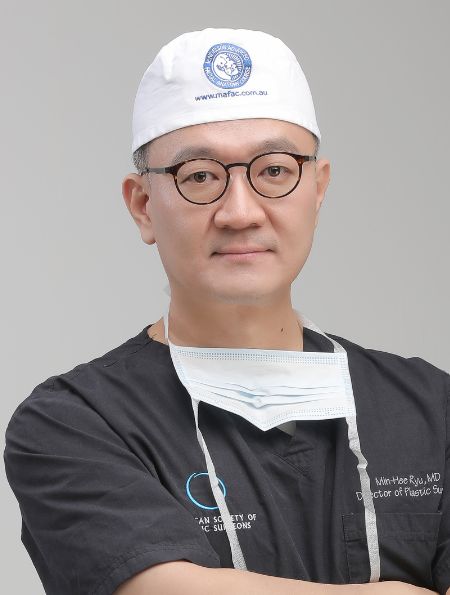
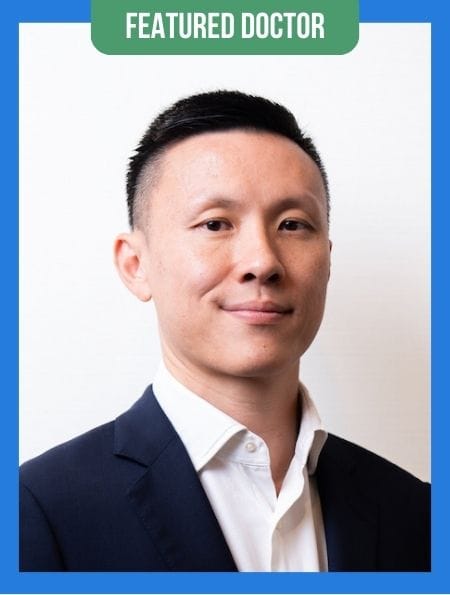
[SG] Featured Doctor
Featured Story
Which Hospitals And Medical Centres Provide Deep Plane Facelift Surgery?
For facial reconstructive and lifting procedures in Seoul, patients can access care across major tertiary university hospitals and specialised plastic surgery centres. In the tertiary sector, established institutions—such as Seoul National University Hospital (SNUH), Asan Medical Center, Samsung Medical Center, and Korea University Anam Hospital—operate comprehensive plastic and reconstructive surgery departments. These university centres frequently manage complex facial palsy reconstructions, craniofacial trauma repairs, and high-risk surgical cases requiring multidisciplinary hospital support.
For elective aesthetic procedures, patients often visit accredited plastic surgery hospitals located within the Gangnam and Seocho districts. Established institutions—such as JK Plastic Surgery Center, VIEW Plastic Surgery, Banobagi Plastic Surgery, Wonjin Plastic Surgery, ID Hospital, and HERSHE Plastic Surgery Clinic—operate dedicated multi-storey surgical facilities. These centres feature in-house anaesthesiology teams, sterile positive-pressure operating theatres, and emergency power backup systems. Additionally, dedicated international patient teams provide multilingual interpretation, airport transfers, and structured post-operative deswelling care (including hyperbaric oxygen therapy and LED recovery treatments).
What Is The Cost Of Deep Plane Facelift Surgery In Seoul?
Surgical fees in Seoul vary depending on whether the procedure is primary or revisional, the inclusion of a neck lift or fat grafting, and the operating facility.
| Treatment / Procedure | Clinical Description | Estimated Cost (KRW)* | Estimated Cost (USD)* |
| Mini Facelift (Lower Face) | Short-scar lifting targeting mild jowling along the lower jawline. | ₩5,000,000 – ₩8,000,000 | $3,750 – $6,000 |
| Endoscopic Forehead / Mid-Face Lift | Minimally invasive endoscopic elevation of the brows and upper cheeks. | ₩5,000,000 – ₩9,000,000 | $3,750 – $6,750 |
| Standard SMAS Facelift | Superficial muscular fascia tightening and excess skin removal for lower-face laxity. | ₩8,000,000 – ₩13,000,000 | $6,000 – $9,750 |
| Full Deep Plane Facelift | Sub-SMAS ligament release and composite repositioning of the mid-face, cheeks, and jawline. | ₩12,000,000 – ₩20,000,000 | $9,000 – $15,000 |
| Extended Deep Plane Facelift + Neck Lift | Comprehensive deep plane facial elevation combined with midline platysmaplasty (neck tightening). | ₩16,000,000 – ₩25,000,000 | $12,000 – $18,750 |
| Revision Facelift Surgery | Secondary corrective surgery addressing scar tissue, asymmetry, or recurrent sagging. | ₩15,000,000 – ₩26,000,000 | $11,250 – $19,500 |
*Disclaimer: Prices listed are estimates only based on publicly available sources and do not constitute a fixed quote. Actual costs may vary depending on individual anatomical complexity, prior thread lifts or fillers, practitioner qualifications, and post-operative care needs. A formal cost breakdown is provided following a clinical assessment.
Recovery
Understanding the recovery timeline helps international patients plan their stay in Seoul and schedule time away from work:
Standard Recovery Timeline:
| Recovery Phase | Timeline | Patient Action & Clinical Milestones |
| Immediate Recovery | Days 1 – 3 | Rest with the head elevated at a 30-degree angle. Expect facial swelling, bruising, and tightness. Surgical drains (if used) are removed within 24 to 48 hours. Wear a facial support garment as directed. |
| Clinical Follow-Up | Days 7 – 14 | Return to the clinic for wound inspection, staged removal of pre-auricular stitches and scalp staples, and professional deswelling treatments (e.g., LED or oxygen therapy). |
| Return to Normalcy | Weeks 2 – 4 | Acute swelling and bruising subside significantly. Patients can typically resume desk jobs, light daily walks, and normal social activities. |
| Physical Activity | Weeks 6 – 8 | Cleared to resume strenuous cardiovascular exercise and strength training. Residual tightness around the ears and neck gradually softens. |
| Final Results | Months 6 – 12 | Deep facial tissues settle completely into their natural position. Hairline and ear-contour incisions mature and fade into inconspicuous lines. |
Risks
All surgical interventions carry potential clinical risks. Being aware of possible complications supports informed decision-making:
- Haematoma and Seroma: Blood or fluid collection beneath the facial flap, which requires prompt clinical drainage to protect skin viability.
- Temporary Facial Nerve Weakness: Because dissection occurs near facial nerve branches, temporary weakness in brow elevation or lip movement (neuropraxia) can occur, typically resolving within weeks to months.
- Temporary Numbness: Reduced skin sensation around the cheeks, ears, and neck, which gradually returns as sensory nerve endings regenerate.
- Delayed Wound Healing or Scarring: Tension or poor blood supply (particularly in smokers) can lead to slow healing or widened scars around the ear creases.
- Infection or Asymmetry: Managed through sterile operating protocols, prophylactic antibiotics, and meticulous preoperative surgical marking.
Selecting a KSPRS board-certified surgeon with extensive sub-SMAS experience and strictly abstaining from nicotine before and after surgery significantly reduces these risks.
What Are The Insurance And Financing Considerations For A Deep Plane Facelift?
Elective facial rejuvenation procedures—including deep plane facelifts, neck lifts, and brow lifts—are not covered by standard private medical insurance or the Korean National Health Insurance Service (NHIS). However, reconstructive facial surgery required to correct congenital craniofacial anomalies, severe facial trauma, or clinical facial nerve paralysis may qualify for partial coverage. International patients should consult their insurance providers before travelling.
Value-Added Tax (VAT) Refunds
The South Korean government supports visiting medical tourists through a Value-Added Tax (VAT) refund programme. Eligible international patients receiving cosmetic procedures at MOHW-registered medical centres can claim an approximate 7% to 8% tax rebate. Refunds are processed at international airport customs desks or designated urban tax-refund kiosks.
FAQs
1. Why is Seoul a popular destination for a deep plane facelift?
Seoul features a high density of board-certified plastic surgeons experienced in both facial bone contouring and deep soft-tissue lifting. Accredited medical centres provide specialized nerve-monitoring equipment, transparent pricing structures, and comprehensive post-operative deswelling care tailored to international patients.
2. How long should international patients stay in Seoul after facelift surgery?
International patients are advised to remain in Seoul for 10 to 14 days following a deep plane facelift. Because sutures around the ears and surgical staples along the scalp hairline are removed in stages between days 7 and 14, staying two full weeks ensures complete stitch removal and medical clearance before flying.
3. What is the difference between a SMAS facelift and a deep plane facelift?
A standard SMAS facelift separates the skin from the underlying muscle layer, tightens the muscle, and pulls the skin back separately. A deep plane facelift keeps the skin and muscle attached as a single composite layer and releases the deeper facial ligaments underneath. This allows the surgeon to lift sagging cheek fat pads and nasolabial folds more effectively while maintaining good blood supply to the skin.
4. Will prior thread lifts or fillers affect my deep plane facelift?
Previous non-surgical treatments such as absorbable threads, permanent fillers, or repeated energy-based treatments (like HIFU) can create internal scar tissue (fibrosis) along the surgical planes. While you can still undergo a deep plane facelift, the surgeon may need to dissolve old fillers beforehand or spend additional surgical time releasing scar tissue. Always disclose your complete aesthetic history during your consultation.
5. How can patients manage post-operative follow-up after returning home?
Accredited medical centres in Seoul provide detailed operative reports and aftercare instructions in English. Many clinics arrange scheduled video consultations to monitor scar maturation and coordinate with your local primary care doctor if any in-person assistance is required.
Contact Us
If you are planning a primary facelift procedure, seeking a second opinion, or exploring revision facial surgery, we can help arrange a consultation with experienced plastic surgeons in Seoul. Contact us via the button below.
Additional Resources
- Korean Society of Plastic and Reconstructive Surgeons (KSPRS).
- Medical Tourism Accreditation | Ministry of Health and Welfare (MOHW), Republic of Korea.
- Patient Safety Standards | International Society of Aesthetic Plastic Surgery (ISAPS).
- Joint Commission International (JCI)