

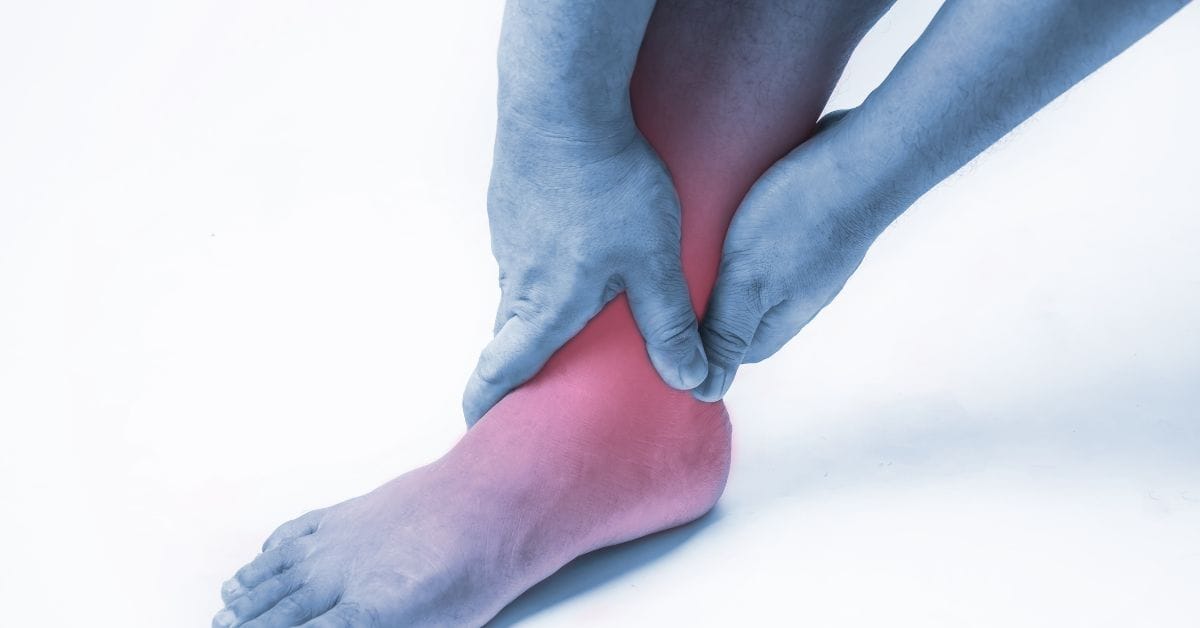
For many individuals living in Singapore, the ability to move without restriction is essential for both work and leisure. However, when chronic joint pain becomes a constant companion, even simple activities such as walking through a shopping mall or visiting family can become daunting. When non-surgical interventions fail to provide lasting relief, ankle fusion surgery (also known as ankle arthrodesis) may stand as an effective procedure to eliminate pain and restore stability to the lower limb.
Back to main channel: Ankle Arthritis Treatment
Schedule a consultation with an Orthopaedic Specialist
What is Ankle Fusion Surgery?
Ankle fusion surgery is a medical procedure designed to permanently join the bones of the ankle joint. This treatment is typically the final step for patients with severe ankle arthritis who have not responded to physiotherapy, bracing, or injections.
By removing the worn-out cartilage and securing the tibia and talus bones together with surgical screws or plates, the joint eventually heals into one solid, pain-free bone. While this removes the “up-and-down” motion of the ankle, most patients find that the significant reduction in pain allows them to walk more comfortably than they did before the surgery.
When Should You Seek Specialist Consultation
Ankle issues may often arise from a history of sports injuries, such as poorly healed fractures or repeated sprains. You may wish to discuss this procedure with a specialist if you experience:
- Persistent Pain: Sharp or aching pain that worsens with weight-bearing activities.
- Joint Instability: A feeling that the ankle might “give way” during movement.
- Stiffness: Reduced range of motion that interferes with daily tasks.
- Deformity: Visible changes in the alignment of the foot or ankle.
The Surgical Process in Singapore
Singaporean orthopaedic centres utilise modern techniques to ensure the best possible outcomes. Depending on the severity of the arthritis, surgeons may perform the procedure via:
- Arthroscopic Fusion: A keyhole technique involving smaller incisions, which may lead to reduced post-operative discomfort and faster wound healing.
- Open Fusion: A traditional approach often necessary for more complex cases where significant bone realignment is required.
Recovery and Rehabilitation
Post-surgery, patients are usually hospitalised for a few days for pain management. The most critical phase is the first 6 to 12 weeks, during which you must avoid putting weight on the operated leg to allow the bones to fuse. Following this, a structured physiotherapy programme is essential to help you adapt your gait and strengthen the surrounding muscles.
Ankle Fusion Surgery Cost in Singapore
When choosing a private specialist and hospital in Singapore, the total bill for ankle fusion surgery (ankle arthrodesis) typically comprises:
- Surgeon’s professional fees
According to publicly available sources and MOH fee benchmarks, recommended surgeon fees for a routine ankle fusion procedure range from approximately S$9,810 to S$13,080 (inclusive of GST). Higher fees may apply for complex cases. - Anaesthetist fees
Although specific anaesthetist fee benchmarks for ankle fusion are not published, anaesthesia costs can be several thousand dollars for orthopaedic procedures generally. - Hospital charges
This includes the operating theatre, ward stay, consumables, medication, nursing care and other facility charges. These costs vary widely depending on hospital choice, length of stay, room class and use of implants or advanced technology.
Medisave and Insurance Coverage
Medisave Claims
Ankle fusion surgery is a claimable surgical procedure under Singapore’s Medisave scheme. Singapore Citizens and Permanent Residents can use Medisave to help pay part of the surgeon, anaesthesia and hospitalisation charges, subject to the applicable withdrawal limits. Medisave withdrawal limits include a daily limit (e.g. up to S$450/day for hospitalisation) and a procedure claim limit based on the type of surgery.
Integrated Shield Plans (IPs) and Riders
Many Singaporeans purchase Integrated Shield Plans with riders that offer broader coverage in private hospitals. These plans can help cover a significant portion of the hospital bill after deductibles and co-payments, depending on your policy terms. However, coverage limits, deductibles and co-payment requirements vary by insurer and plan. It’s important to check your specific policy details and pre-authorisation requirements with your insurer.
Disclaimer
The figures provided are estimates for general reference and may vary based on:
- Complexity and specifics of your case.
- Choice of surgeon and hospital.
- Room type and length of stay.
- Additional procedures or post-operative care required.
Always consult directly with your healthcare provider and insurer for an itemised cost estimate tailored to your situation.
Orthopaedic Surgeons You May Consider
Choosing the right specialist is a critical step in your recovery. Some Orthopaedic Surgeons you may consider:









[SG] Featured Doctor

Featured Story
For inquiries or for an introduction to a specialist, contact us below.
Frequently Asked Questions (FAQs)
Will I walk with a limp after the ankle is fused?
Most patients do not walk with a noticeable limp on level ground. Because the other joints in the foot remain mobile, they naturally compensate for the lack of movement in the ankle joint.
Is the surgery reversible?
Ankle fusion is considered a permanent procedure because the bones grow together into one. While it is technically possible to convert a fusion to an ankle replacement in specific circumstances, this is a complex secondary surgery.
How long does the operation take?
In a typical private setting in Singapore, the surgery takes between 2 to 3 hours, depending on whether it is a straightforward fusion or if bone grafting and deformity correction are required.
When can I return to work?
This depends on your occupation. If you have a desk-based role, you may be able to return within 2 to 3 weeks provided you can keep your leg elevated. For jobs requiring standing or walking, you may need 3 to 4 months of recovery. Your exact timeline will vary based on your healing, pain levels, and your surgeon’s advice. Always follow your doctor’s recommendations before resuming work.
What are the risks of the surgery?
As with any major surgery, risks include infection, blood clots, or the bones failing to fuse (non-union). Choosing an experienced specialist and strictly following post-operative weight-bearing restrictions significantly reduces these risks.