

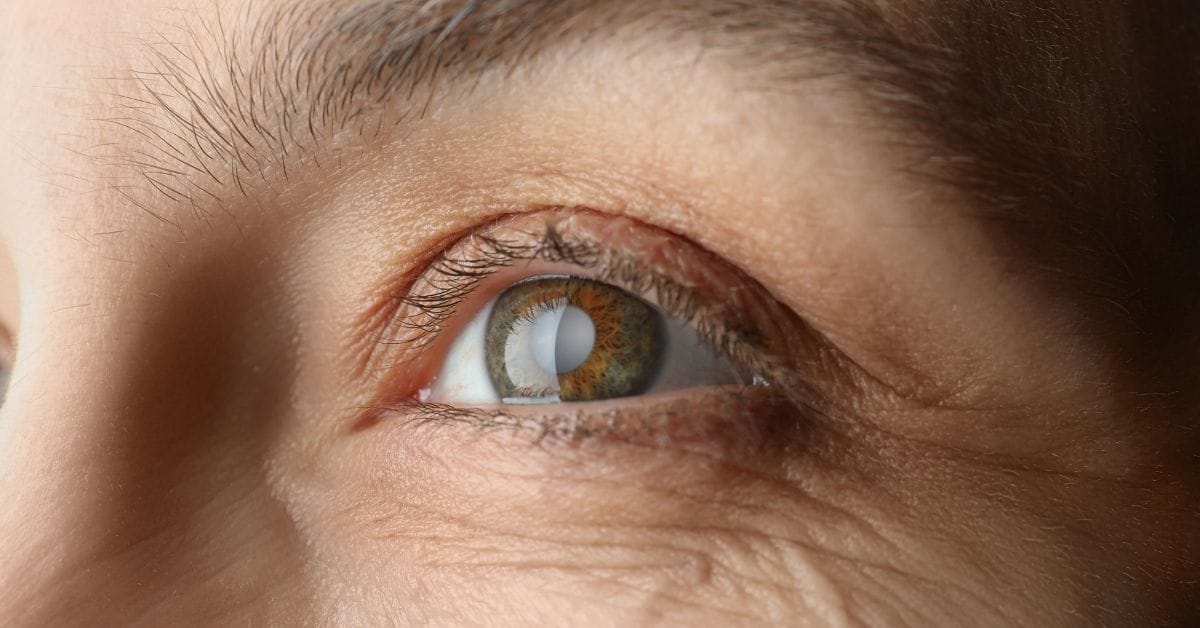
Age-Related Macular Degeneration (AMD) is among the main causes of vision impairment among Singaporeans over the age of 50. As our population ages, understanding the available medical interventions and the financial commitment involved is essential for patients and their families. In this article, we provide an in-depth look at AMD eye disease treatment options in Singapore.
Back to main channel: Retinal Diseases Treatment
Schedule a consultation with an Ophthalmologist
Understanding AMD in Singapore
Findings from the Singapore Epidemiology of Eye Disease (SEED) study and local health resources highlight several key facts about the condition in our local context:
- A Common Ageing Condition: AMD is one of the most frequent eye diseases in Singapore, particularly among those aged 40 and above.
- The Age Factor: The likelihood of developing the condition rises significantly as you grow older. It is a primary concern for the elderly population in Singapore.
- Early Intervention is Key: While vision lost to certain types of AMD cannot always be fully restored, modern treatments can effectively slow or halt disease progression in many patients, helping preserve remaining vision.
Treatment Options for Wet AMD in Singapore
The primary goal of treating wet AMD is to stop the leakage from abnormal blood vessels and stabilise, or even improve, your vision.
1. Anti-VEGF Injections
This is the globally accepted first-line treatment for wet AMD and the most widely used method in Singapore. Medications known as anti-vascular endothelial growth factor (anti-VEGF) are injected directly into the eye (intravitreal injection) to block the protein that promotes abnormal vessel growth.
Commonly used drugs in Singapore include:
- Aflibercept (Eylea)
- Ranibizumab (Lucentis)
- Faricimab (Vabysmo)
- Bevacizumab (Avastin) – Often used “off-label” as a more affordable alternative.
2. Laser Photocoagulation
A high-energy laser beam is used to seal the leaking blood vessels. This is typically reserved for vessels located away from the very centre of the macula, as the laser can cause some scarring of the surrounding retinal tissue.
3. Photodynamic Therapy (PDT)
This involves a two-step process where a light-sensitive drug (Visudyne) is injected into the bloodstream, followed by a “cold” laser to activate the drug only within the abnormal eye vessels.
AMD Treatment Cost in Singapore
The following figures are indicative ranges gathered from publicly available online sources. They are not fixed prices or official MOH fee benchmarks. Actual costs will vary depending on the clinic, hospital, and treatment plan.
| Treatment | Cost (Singapore) |
| Anti-VEGF Injections (Intravitreal Injections) | S$200 – S$1,500 per dose (subsidised injections such as bevacizumab, ranibizumab, and Faricimab) S$9,500 – S$10,500 (unsubsidised injections such as Aflibercept) |
| Laser Photocoagulation | S$2,200 – S$8,900 |
Specialists You May Consider
Selecting a doctor who specialises in “Medical Retina” is crucial for the long-term management of AMD. These specialists have advanced training in diagnosing retinal diseases and performing delicate intravitreal injections.




[SG] Featured Doctor
Featured Story
For enquiries or for an introduction to a specialist, contact us below.
Frequently Asked Questions (FAQs)
Is the injection procedure painful?
No, the eye is thoroughly numbed with local anaesthetic drops or a small local injection before the procedure. Most patients only feel a slight sensation of pressure.
How many injections will I need for AMD eye disease treatment?
Treatment is usually ongoing. Most patients begin with a “loading dose” of one injection per month for three months, after which the frequency is adjusted based on how the eye responds.
Can I drive myself home after the treatment?
It is not recommended. Your pupils may be dilated, and your vision may be slightly blurred for a few hours. It is safer to have a family member accompany you or take a taxi.
Are there any side effects to the injections?
Common side effects include a slight “gritty” feeling or a small red spot on the white of the eye (subconjunctival haemorrhage). Serious complications like infection are very rare, occurring in fewer cases.
Does MediSave cover the full cost of the treatment?
MediSave can be used for intravitreal injections and AMD-related procedures, subject to TOSP withdrawal limits per eye. Depending on the choice of drug and clinic, an out-of-pocket component is usually required.