
What Is RF Skin Tightening?
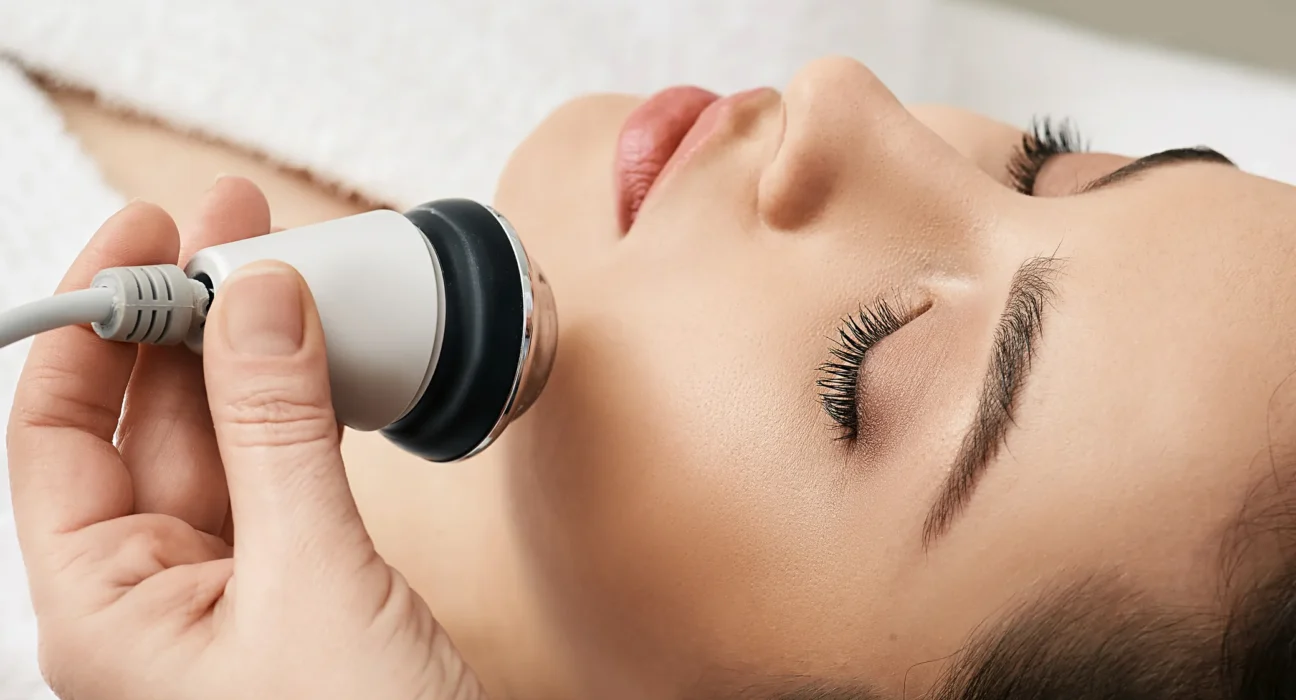
Radiofrequency (RF) skin tightening is a non-invasive aesthetic procedure designed to address skin laxity, fine lines, and the visible loss of facial firmness. By delivering safe, controlled bulk heating deep into the dermal tissue, the procedure stimulates the body’s natural wound-healing response, resulting in deep collagen remodelling and the production of new elastin. This advanced thermal technology allows patients to restore a tighter facial contour without undergoing invasive surgery.
RF Skin Tightening in Seoul
South Korea is globally recognised for its exceptionally high standards in aesthetic healthcare and energy-based device therapeutics. Seoul operates under strict medical regulations monitored by the Ministry of Health and Welfare (MOHW). Clinics treating international patients must hold specific accreditations, ensuring they comply with high standards of patient safety, transparent pricing, and robust infection control protocols. Consequently, medical tourists benefit from a regulated environment that prioritises clinical precision and structural tissue safety.
What Are the Types of RF Skin Tightening in Seoul?
Board-certified dermatologists in Seoul provide several medical-grade radiofrequency technologies tailored to unique dermal thickness and sensitivities:
- Thermage FLX: A premium monopolar RF device that delivers uniform heat deep into the dermis. It is considered the gold standard for comprehensive facial rejuvenation and non-invasive lifting with long-lasting results.
- Oligio RF: A highly popular South Korean monopolar RF system designed specifically to offer a highly comfortable tightening experience tailored for Asian skin types.
- Inmode: A dual-action RF platform (using Forma and MiniFX applicators) that effectively melts stubborn submental fat while simultaneously contouring the jawline and tightening loose skin.
Who Is A Suitable Candidate For RF Skin Tightening?
A clinical consultation is recommended if you:
- Are looking to address skin laxity, fine lines, or a visible loss of facial firmness without undergoing invasive surgery.
- Have noticed descending cheek volume, jowling, or sagging skin around the neck, and wish to restore a tighter contour.
- Require deep collagen remodelling for preventative anti-ageing or are seeking tissue maintenance after a surgical facelift.
- Need expert advice to determine which specific RF technology best suits your dermal thickness and sensitivity.
- Require a second opinion regarding combination therapies, such as pairing RF tightening with HIFU or skin boosters, to maximise rejuvenation.
What Are The Costs Of Pre-Operative Consultation & Diagnostics?
Thorough clinical screening and pre-treatment planning are vital for safe aesthetic outcomes. Below are the estimated costs for consultations in Seoul:
| Screening / Diagnostic Test | Function & Description | Estimated Cost (Private Sector)* |
| Specialist Consultation | Comprehensive clinical assessment of dermal thickness, tissue coagulation needs, and facial symmetry by a board-certified dermatologist. | KRW 30,000 – KRW 100,000 (Often waived if the procedure is booked) |
| Digital Skin Analysis | 3D imaging to evaluate underlying collagen density, fat distribution (for Inmode), and areas of skin laxity. | KRW 50,000 – KRW 100,000 |
*Disclaimer: The above estimates are for premier clinics in Seoul in 2026. Prices will vary depending on the facility and the inclusion of translation services. Please check directly with your chosen healthcare provider for up-to-date pricing.
Which Doctor For RF Skin Tightening?
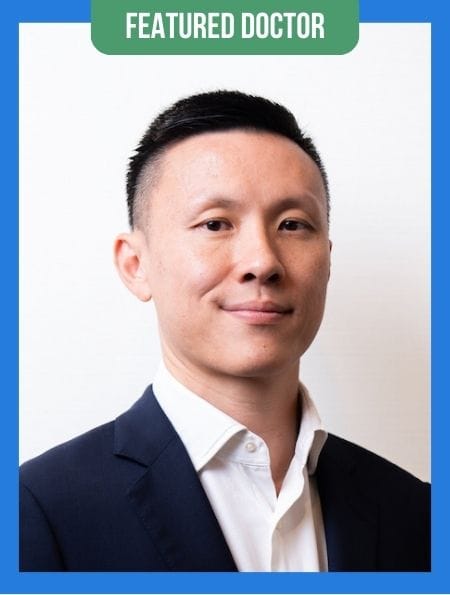
RF skin tightening requires a deep understanding of tissue coagulation and heat distribution. Your primary specialist must be a board-certified dermatologist with years of clinical practice. Many top specialists in Korea hold active memberships with the Association of Korean Dermatologists (AKD).
Preferred Doctors
[SG] Featured Doctor
Featured Story
Which Hospitals And Medical Centres Provide RF Skin Tightening?
Seoul features specialised aesthetic medical centres and university hospital dermatology divisions. Prominent aesthetic centres in Gangnam and Seocho, such as Banobagi Dermatology Clinic, Hus’hu Dermatology Clinic, Modelo Clinic, and Clean Up Dermatology Clinic, are designed to accommodate international patients.
These centres provide emergency backup systems, sterile treatment rooms, and in-house multilingual coordinators. Furthermore, university medical centres, including Chung-Ang University Hospital, manage high-complexity dermatological interventions and severe skin laxity requiring medical-grade dermal reconstruction.
What Is The Cost Of RF Skin Tightening In Seoul?
Procedure fees in Seoul vary depending on the specific device used, the number of shots (lines) required to cover the treatment area, and the clinical facility.
| Treatment / Device | Clinical Description | Estimated Cost (KRW)* | Estimated Cost (USD)* |
| Inmode (MiniFX + Forma) | Jawline contouring and tightening targeting both fat and skin laxity. | ₩300,000 – ₩600,000 | $225 – $450 |
| Oligio RF (300 – 600 Shots) | Korean monopolar RF providing comfortable, effective collagen induction. | ₩400,000 – ₩900,000 | $300 – $675 |
| Thermage FLX (300 Shots) | Premium lower face and jawline bulk heating for long-term firmness. | ₩1,500,000 – ₩1,800,000 | $1,125 – $1,350 |
| Thermage FLX (600 Shots) | Comprehensive full-face and neck non-invasive lifting. | ₩2,200,000 – ₩3,000,000 | $1,650 – $2,250 |
*Disclaimer: Prices listed are estimates only and do not constitute a fixed quote. Actual costs may vary based on individual anatomical needs, practitioner qualifications, and combination therapies. A formal cost breakdown is provided following a clinical assessment.
Recovery
RF Skin Tightening is widely favoured for its minimal downtime, allowing international patients to resume normal activities almost immediately:
- Immediate Recovery (Days 1 – 2): Patients will typically experience mild erythema (redness) and a warm sensation deep within the skin. This usually subsides within 24 hours.
- Return to Normalcy (Immediate): Makeup can be applied immediately post-treatment. Normal daily activities, including desk jobs and social outings, can be resumed the same day.
- Physical Activity (Week 1): Patients are advised to avoid intense cardiovascular exercise, saunas, and extremely hot showers for 3 to 5 days to prevent excessive facial flushing.
- Final Results (Months 2 – 6): While an initial tightening effect is visible immediately due to collagen contraction, the true results of deep collagen remodelling peak between 3 to 6 months post-treatment.
Risks
While RF tightening is highly safe when performed by certified professionals, being aware of possible complications supports informed decision-making:
- Prolonged Erythema: Redness that persists slightly longer than 48 hours, usually resolving naturally.
- Mild Swelling (Oedema): Temporary puffiness along the jawline or cheeks, particularly after intensive treatments like Thermage FLX.
- Thermal Burns or Blisters: Extremely rare, but can occur if the device’s cooling mechanism is not monitored properly. Matching a doctor’s specific expertise to your dermatological requirements drastically improves treatment outcomes and prevents this risk.
- Unwanted Fat Atrophy: If contouring devices (like Inmode) are used incorrectly on patients with already thin faces, it can cause volume loss. Thorough clinical assessment is mandatory.
What Are The Insurance And Financing Considerations?
Elective cosmetic dermatological procedures are not covered by standard private medical insurance or the Korean National Health Insurance Service (NHIS). Because RF skin tightening is classified as an aesthetic anti-ageing enhancement, international patients must bear the cost out-of-pocket.
Value-Added Tax (VAT) Refunds
The South Korean government supports visiting medical tourists through a Value-Added Tax (VAT) refund programme. Eligible international patients receiving aesthetic treatments at MOHW-registered medical centres can claim an approximate 7% to 8% tax rebate. Refunds are processed at airport customs desks or designated urban tax-refund kiosks upon presentation of the clinic’s official VAT refund certificate.
FAQs
1. Why is Seoul a popular destination for RF skin tightening?
Seoul is globally recognised for its advanced energy-based device therapeutics, high concentration of board-certified dermatologists, and highly refined aesthetic philosophies. Medical centres maintain strict safety protocols, transparent pricing, and structured concierge care tailored to international visitors.
2. How long should international patients stay in Seoul after RF skin tightening?
Because the procedure is entirely non-invasive, patients can theoretically fly the next day. However, a stay of 2 to 3 days is generally recommended to allow for a brief follow-up consultation and to enjoy soothing post-care treatments (such as hydration masks or cryotherapy) before boarding a flight.
3. What is the difference between RF Skin Tightening and HIFU?
HIFU (High-Intensity Focused Ultrasound) targets the deeper SMAS muscle layer to provide structural lifting and address heavy tissue sagging. RF (Radiofrequency) targets the dermis with bulk heating, making it superior for treating fine lines, crepey skin, and improving overall skin texture and firmness.
4. Can I combine RF Skin Tightening with other treatments?
Yes. It is highly common to pair RF tightening with other modalities to maximise rejuvenation. Dermatologists frequently combine it with HIFU (for deep lifting) or skin boosters (like Rejuran or Profhilo) to enhance hydration and surface radiance.
Contact Us
If you are planning preventative skin care, seeking a second opinion, or exploring complex non-invasive lifting, we can help arrange a consultation with highly trusted radiofrequency (RF) skin tightening specialists in Seoul. Contact us via the button below.
Additional Resources
- Association of Korean Dermatologists (AKD).
- Medical Tourism Accreditation | Ministry of Health and Welfare (MOHW), Republic of Korea.
- Joint Commission International (JCI).