
What Is HIFU?
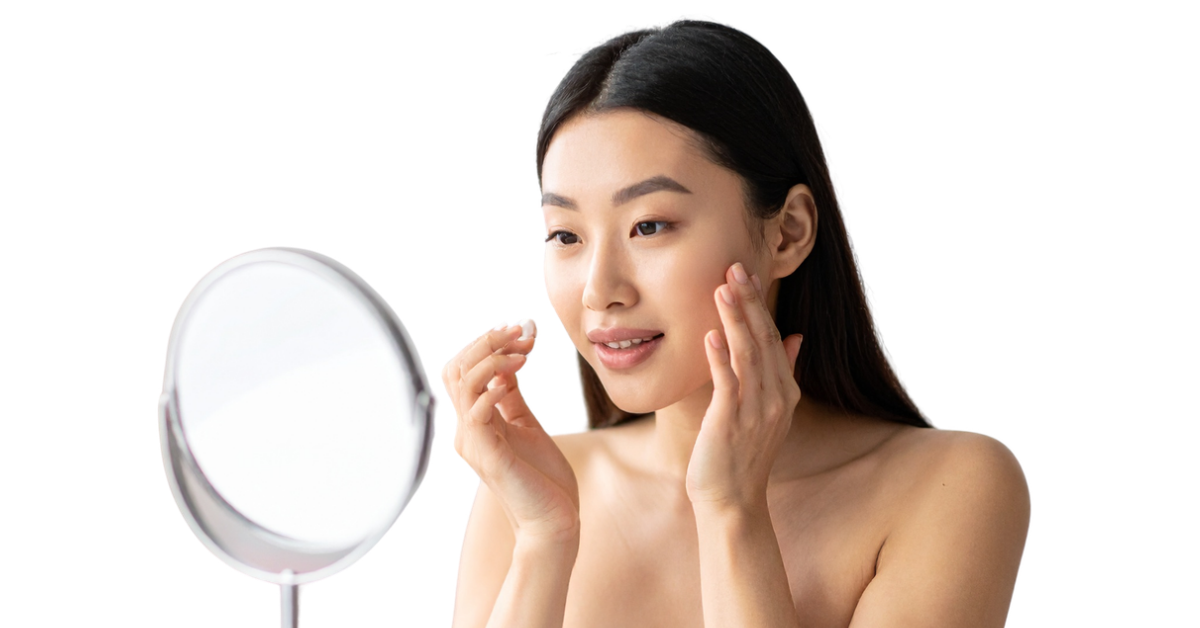
High-Intensity Focused Ultrasound (HIFU) is a premier non-invasive aesthetic procedure designed to lift, tighten, and contour the skin. By delivering focused ultrasonic energy deep into the dermal layers and the SMAS (Superficial Musculoaponeurotic System)—the same tissue layer targeted during a surgical facelift—HIFU stimulates the natural production of collagen and elastin.
In South Korea, HIFU is one of the most highly sought-after treatments for structural anti-ageing. It provides significant facial rejuvenation, addressing skin laxity, fine lines, and descending facial volume without the need for incisions, general anaesthesia, or extended recovery periods.
HIFU in Seoul
South Korea is globally recognised for its highly advanced aesthetic healthcare system. Seoul, particularly districts like Gangnam and Seocho, serves as the epicentre for energy-based dermatological innovations. Clinics treating international medical tourists operate under strict regulations monitored by the Ministry of Health and Welfare (MOHW). This ensures that facilities comply with rigorous patient safety standards, utilise authentic medical-grade equipment, and maintain transparent clinical protocols.
What Are the Types of HIFU Devices in Seoul?
Board-certified dermatologists in Seoul utilise several advanced HIFU platforms, tailoring the choice of device to a patient’s specific skin thickness, pain tolerance, and aesthetic goals:
- Ultherapy: The globally recognised, US FDA-approved gold standard for ultrasound lifting. It features proprietary DeepSEE™ real-time ultrasound imaging, allowing the practitioner to target the SMAS layer with absolute precision.
- Shurink (Ultraformer): A highly popular, KFDA-approved Korean HIFU device. It is widely favoured for its faster treatment times, customisable cartridges for different depths, and excellent cost-effectiveness for preventative anti-ageing.
- Doublo / Doublo Gold: Another premier Korean KFDA-approved system that delivers robust thermal energy to deep tissues, effectively treating thicker skin and prominent jowling with enhanced patient comfort.
Who Is A Suitable Candidate For HIFU?
A clinical consultation for HIFU is highly recommended if you:
- Are looking to address skin laxity, fine lines, or sagging facial contours without undergoing invasive facelift surgery.
- Notice descending cheek volume, a poorly defined jawline, or loose skin around the neck (commonly referred to as jowling).
- Wish to stimulate natural collagen production deep within the dermal layers for long-term structural firmness.
- Require a preventative anti-ageing strategy to maintain tissue elasticity in your late 20s or 30s.
- Are exploring combination therapies, such as pairing HIFU with RF Microneedling or Skin Boosters, to maximise overall dermal rejuvenation.
What Are The Costs Of Pre-Operative Consultation & Diagnostics?
Thorough clinical screening is vital for safe and effective aesthetic outcomes. Dermatologists in Seoul utilise advanced digital imaging to assess dermal thickness before recommending a specific HIFU protocol.
| Screening / Diagnostic Test | Function & Description | Estimated Cost (Private Sector)* |
| Specialist Consultation | Comprehensive clinical assessment of skin laxity, facial anatomy, and SMAS depth by a board-certified dermatologist. | KRW 30,000 – KRW 100,000 (Often waived if the procedure is booked) |
| Digital Skin Analysis (e.g., VISIA, MarkVu) | Evaluates sub-surface pigmentation, collagen degradation, and hydration levels to formulate a bespoke treatment plan. | KRW 30,000 – KRW 50,000 |
*Disclaimer: The above estimates reflect premier clinics in Seoul for 2026. Prices vary depending on the facility and the inclusion of in-house medical translation services.
Which Doctor For HIFU?
Administering HIFU requires a deep understanding of facial anatomy to avoid nerve injury and ensure energy is delivered to the correct fascial plane.
- Board-Certified Dermatologist: Your primary specialist should ideally hold certification from the Association of Korean Dermatologists (AKD). They possess comprehensive training in energy-based device physics and dermal tissue responses.
Preferred Doctors
[SG] Featured Doctor
Featured Story
Which Hospitals And Medical Centres Provide HIFU?
Seoul features specialised aesthetic medical centres and university hospital dermatology divisions. Prominent aesthetic centres in Gangnam and Seocho, such as Gowoonsesang Dermatology Clinic, Banobagi Dermatology Clinic, Oracle Clinic, and ID Hospital are designed to accommodate international patients.
These centres provide emergency backup systems, sterile treatment rooms, and in-house multilingual coordinators. Furthermore, university medical centres, including Chung-Ang University Hospital, manage high-complexity dermatological interventions and severe skin laxity.
What Is The Cost Of HIFU In Seoul?
Treatment costs in Seoul are generally calculated based on the specific device used and the number of “shots” or “lines” administered (typically ranging from 300 to 600 lines for a full-face treatment).
| Treatment Device | Clinical Description | Estimated Cost (KRW)* | Estimated Cost (USD)* |
| Ultherapy (300 – 600 lines) | US FDA-approved, real-time imaging, deep SMAS targeting. | ₩1,200,000 – ₩2,800,000 | $900 – $2,100 |
| Shurink / Ultraformer (300 – 600 shots) | KFDA-approved, fast procedure, ideal for early skin laxity. | ₩150,000 – ₩500,000 | $115 – $375 |
| Doublo Gold (300 – 600 shots) | KFDA-approved, strong thermal coagulation for thicker skin. | ₩200,000 – ₩600,000 | $150 – $450 |
*Disclaimer: Prices listed are estimates representative of accredited dermatology clinics in Gangnam/Seocho for 2026. Actual costs vary based on the required line count, practitioner expertise, and the inclusion of sedation anaesthesia. A formal quotation is provided following a clinical assessment.
Recovery
One of the primary advantages of HIFU is the absence of surgical downtime, making it highly suitable for medical tourists with tight schedules.
- Immediate Recovery (Days 1 – 3): Patients can resume normal activities immediately. Mild erythema (redness) and slight oedema (swelling) may occur but typically subside within hours. Makeup can be applied the same day.
- Short-Term Sensations (Weeks 1 – 2): A mild, deep tissue tenderness (similar to muscle soreness after a workout) along the jawline or cheekbones is entirely normal when touched.
- Final Results (Months 2 – 6): While an initial tightening effect is visible immediately due to tissue contraction, the primary results develop gradually. Neocollagenesis (new collagen production) peaks at 3 to 6 months, yielding maximum lifting and firming.
Risks
While HIFU is a highly safe, non-invasive procedure, being aware of potential clinical risks supports informed decision-making:
- Prolonged Erythema or Oedema: Minor swelling or redness that lasts longer than 48 hours, resolving naturally.
- Temporary Neuropraxia: In very rare cases, if ultrasound energy is delivered improperly near superficial nerves, patients may experience temporary tingling or numbness. This resolves over several weeks.
- Subcutaneous Fat Atrophy: Excessive energy delivered to the wrong depth can unintentionally melt facial fat.Selecting a board-certified dermatologist who understands facial anatomy and uses authentic cartridges drastically mitigates these risks.
What Are The Insurance And Financing Considerations For HIFU?
HIFU and other energy-based anti-ageing devices are classified strictly as elective aesthetic procedures. Consequently, they are not covered by the South Korean National Health Insurance Service (NHIS) or international private medical insurance panels.
Value-Added Tax (VAT) Refunds
The South Korean government supports visiting medical tourists through a Value-Added Tax (VAT) refund programme. Eligible international patients receiving aesthetic treatments at MOHW-registered dermatology clinics can claim an approximate 7% to 8% tax rebate. Refunds are processed efficiently at airport customs desks or designated urban tax-refund kiosks.
FAQs
1. Why is Seoul a leading destination for HIFU treatments?
Seoul is at the forefront of aesthetic technology. Clinics here offer a high concentration of board-certified dermatologists who are highly experienced in treating diverse skin types. Furthermore, the competitive market ensures access to the latest medical-grade devices at highly transparent, regulated prices.
2. How long should international patients stay in Seoul for HIFU?
Because HIFU involves zero incisions and no surgical downtime, a brief stay of 1 to 3 days is generally sufficient. Many medical tourists schedule their HIFU appointment on the final days of their holiday before flying home.
3. Is HIFU treatment painful?
Comfort levels vary by individual and the device used. Ultherapy typically induces a deep, warm prickling sensation. Most clinics in Seoul manage this effectively using prescription-strength topical numbing cream. For highly sensitive patients, clinics can provide mild intravenous (IV) sedation administered by an anaesthesiologist.
4. Can HIFU be combined with other aesthetic procedures?
Yes. To maximise rejuvenation, dermatologists frequently recommend combining HIFU (for deep structural lifting) with RF Microneedling (such as Sylfirm X or Potenza for surface texture) or Skin Boosters (like Rejuran Healer for dermal hydration).
5. How can I verify a clinic’s or doctor’s credentials in South Korea?
Ensure your chosen specialist is certified by the Association of Korean Dermatologists (AKD). Additionally, international patients should seek clinics officially accredited by the Ministry of Health and Welfare (MOHW) to serve foreign medical tourists.
Contact Us
If you are exploring preventative skin care, seeking a second opinion, or considering comprehensive non-invasive lifting, we can help arrange a consultation with top board-certified dermatologists in Seoul. Contact us via the button below.
Additional Resources
- Association of Korean Dermatologists (AKD).
- Medical Tourism Accreditation | Ministry of Health and Welfare (MOHW), Republic of Korea.
- Aesthetic Treatments – Learn About HIFU, Thermage, And More.