

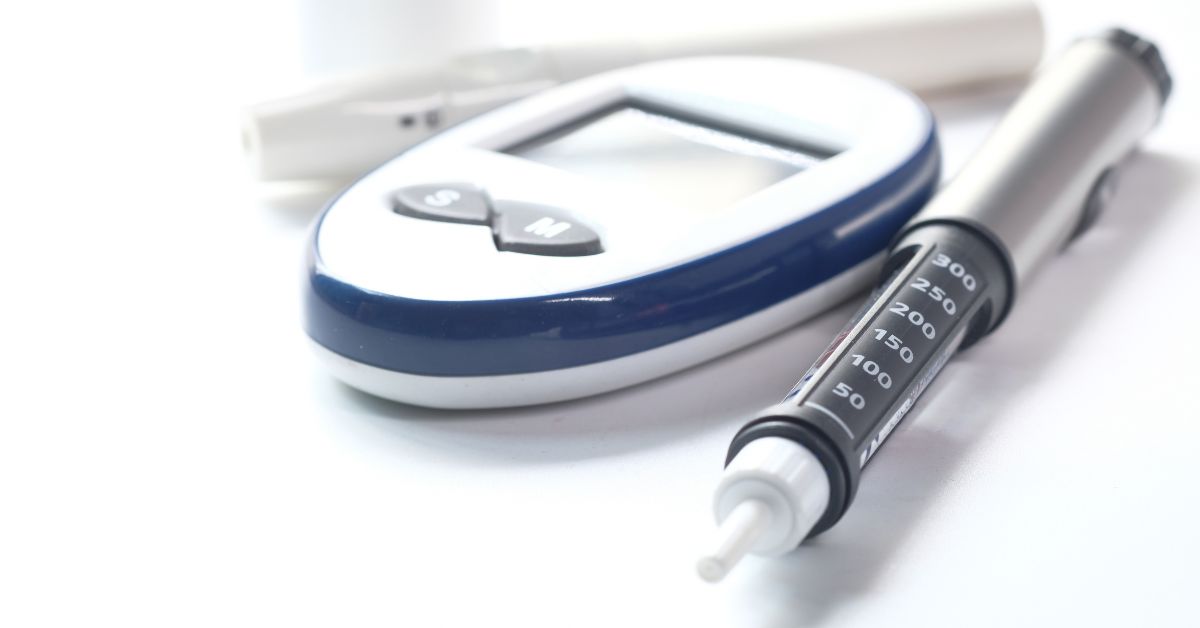
Type 1 diabetes is a chronic condition in which the body does not produce enough insulin, a hormone essential for regulating blood sugar levels. Unlike type 2 diabetes, type 1 diabetes often develops at a young age and requires lifelong management. Effective type 1 diabetes treatment is crucial to prevent complications such as kidney disease, nerve damage, and cardiovascular problems.
In Singapore, patients have access to a wide range of medical services and lifestyle interventions designed to manage type 1 diabetes effectively. In this article, we provide a detailed overview of treatment options, specialist care, cost considerations, and lifestyle measures that can support long-term health.
Back to main channel: Diabetes Management
Schedule a consultation with an Endocrinologist
Understanding Type 1 Diabetes
Type 1 diabetes is an autoimmune condition in which the immune system attacks insulin-producing cells in the pancreas. Without sufficient insulin, the body cannot regulate blood glucose, leading to high blood sugar levels. Common symptoms include excessive thirst, frequent urination, unexplained weight loss, fatigue, and blurred vision.
Early diagnosis and prompt management are essential to reduce the risk of serious complications. In Singapore, patients typically consult endocrinologists or diabetes specialists to establish a personalised treatment plan.
Medical Treatment Options in Singapore
Treatment of type 1 diabetes primarily revolves around insulin therapy, blood glucose monitoring, and regular follow-ups with specialists.
1. Insulin Therapy
Insulin therapy is the cornerstone of type 1 diabetes treatment. There are several types of insulin available:
- Rapid-acting insulin: Helps manage blood sugar spikes after meals.
- Short-acting insulin: Works within about 30 minutes and lasts a few hours.
- Intermediate-acting insulin: Helps control blood sugar between meals.
- Long-acting insulin: Provides a steady level of insulin throughout the day and night.
A diabetes specialist in Singapore will tailor an insulin regimen based on your lifestyle, blood sugar patterns, and overall health condition.
2. Blood Glucose Monitoring
Regular monitoring of blood glucose is essential to track your response to treatment. Patients may use:
- Finger-prick glucose meters: Portable and widely available.
- Continuous glucose monitoring (CGM) systems: Provide real-time glucose readings and trends, helping specialists adjust insulin doses more accurately.
3. Specialist Care and Check-Ups
Endocrinologists and diabetes specialists in Singapore are experienced in managing type 1 diabetes. Routine visits allow for:
- Adjustments to insulin doses.
- Monitoring for complications.
- Guidance on lifestyle changes.
Cost of Type 1 Diabetes Treatment in Singapore
Managing type 1 diabetes involves ongoing costs for insulin, monitoring, and specialist care. Here is a simplified overview:
| Treatment Component | Typical Cost Estimate | Notes |
| Insulin injections (basic) | S$17 – S$120 per cartridge/vial | Cost varies by insulin type and brand |
| Specialist visits & screening | S$5 – S$50+ per visit | Cost varies by public/private clinic |
| Insulin pump device (one-time) | S$2,500 – S$9,000 | Plus monthly consumables (S$150 – S$200 a month) |
Lifestyle Considerations
While medical treatment is essential, lifestyle interventions complement insulin therapy and improve overall health.
1. Healthy Diet
A balanced diet helps stabilise blood sugar levels. Focus on:
- Whole grains, lean protein, and vegetables.
- Limiting sugary drinks and refined carbohydrates.
- Monitoring carbohydrate intake to match insulin doses.
2. Regular Physical Activity
Exercise helps improve insulin sensitivity and cardiovascular health. Activities such as brisk walking, swimming, or cycling are recommended. Always monitor blood sugar levels before and after exercise to avoid hypoglycaemia.
3. Stress Management
Chronic stress can affect blood sugar levels. Techniques such as meditation, yoga, and mindfulness can support better diabetes control.
4. Adequate Sleep
Quality sleep plays a vital role in regulating blood sugar and maintaining overall health. Aim for seven to nine hours per night.
Choosing the Right Specialist in Singapore
Finding the right endocrinologist or diabetes specialist is critical for successful management. Consider specialists who:
- Have experience treating type 1 diabetes.
- Offer personalised care plans.
- Are accessible for regular follow-ups and monitoring.
Specialists You May Consider
For inquiries or to get connected with a diabetes specialist, contact us today.
Frequently Asked Questions (FAQs)
1. Can type 1 diabetes be cured?
Currently, there is no cure for type 1 diabetes. Management focuses on controlling blood sugar levels and preventing complications.
2. How often should I see a diabetes specialist?
Most patients are advised to have consultations every three to six months, with more frequent visits if there are complications or insulin adjustments.
3. Can diet alone control type 1 diabetes?
No. Unlike type 2 diabetes, type 1 diabetes requires insulin therapy. However, a healthy diet supports better glucose management.
4. Are insulin pumps available in Singapore?
Yes. Insulin pumps are available for patients seeking continuous insulin delivery. A diabetes specialist can determine if this option is suitable.
5. What are the complications of poorly managed type 1 diabetes?
Complications can include cardiovascular disease, kidney disease, nerve damage, eye problems, and increased risk of infections.