


Finding a lump in your neck can be a source of significant anxiety. In Singapore, thyroid nodules are a common clinical finding, often detected during routine health screenings or ultrasound scans. While many nodules are benign (non‑cancerous), thyroid nodule surgery becomes a necessary consideration if there is suspicion of malignancy, if the nodule is causing symptoms, if it produces excess thyroid hormone, or for other clinical reasons.
Back to big story: Thyroid Nodules Treatment
Schedule a consultation with a specialist
Understanding the Necessity of Surgery
Not every thyroid nodule requires surgical intervention. In Singapore, clinicians typically follow a structured diagnostic pathway involving clinical examination, ultrasound imaging, and Fine Needle Aspiration Cytology (FNAC) to assess cancer risk.
Surgery is generally recommended under the following circumstances:
- Suspected or Confirmed Malignancy: If biopsy results indicate thyroid cancer or if imaging and clinical features strongly suggest cancer.
- Compressive Symptoms: Large nodules that cause difficulty in swallowing (dysphagia) or breathing (dyspnoea).
- Hyperthyroidism Resistant to Medication: Nodules that autonomously produce thyroid hormones and do not respond to medical therapy (toxic nodules).
- Patient Preference: In select cases, surgery may be considered for benign nodules causing discomfort or cosmetic concern.
Common Surgical Procedures in Singapore
The type of surgery depends on the nature, size, and clinical suspicion associated with the nodule. Your surgeon will discuss the most appropriate option:
- Hemithyroidectomy (Lobectomy): Removal of one thyroid lobe. Often sufficient for benign nodules confined to one side or small cancers.
- Total Thyroidectomy: Complete removal of the thyroid gland. Typically recommended for larger or more aggressive cancers, toxic multinodular goitre, or when nodules are present in both lobes.
- Endoscopic or Robotic Thyroidectomy: For selected patients who are keen to minimise visible neck scarring, some centres in Singapore offer remote-access approaches (e.g., transaxillary, post-auricular, or transoral vestibular techniques). These approaches are suitable only for certain patients after careful evaluation.
Estimated Costs of Thyroid Nodule Surgery in Singapore
The surgeon and anaesthetist fees are benchmarked by the Ministry of Health (MOH) to guide reasonable charges in Singapore.
Typical Professional Fee Estimates (Inclusive of GST):
| Procedure | Surgeon Fee (SGD) | Anaesthetist Fee (SGD) | Inpatient Doctors’ Attendance Fees |
|---|---|---|---|
| Hemithyroidectomy | ~$7,848 – $10,355 | ~$1,853 – $2,725 | ~$230 – $450 |
| Total/Subtotal Thyroidectomy | ~$7,848 – $13,952 | ~$2,180 – $3,161 | ~$230 – $450 |
Disclaimer: These figures do not include hospital admission charges, consumables, diagnostic tests, medications, or other related fees. Actual bills vary by hospital, ward class, length of stay, and patient-specific factors.
Inpatient Doctors’ Attendance Fee range is for office hours only and does not include the costs of medications, injections, operations, special procedures, investigations (e.g., radiological and laboratory tests).
Healthcare Financing in Singapore
- MediShield Life: Provides universal insurance coverage for inpatient and day surgery charges, subject to claim limits and co‑insurance.
- MediSave: Singaporeans and Permanent Residents can withdraw savings to pay for hospitalisation costs where approved. Thyroid surgery is usually claimable under current MediSave rules.
- Integrated Shield Plans: Supplementary private insurance plans may cover higher ward classes and portions of bills “as‑charged”, subject to plan details.
Specialists You May Consider
Choosing the right surgeon is crucial for a successful outcome and minimising risks such as recurrent laryngeal nerve injury. In Singapore, experienced General / Endocrine Surgeons commonly perform thyroid surgery.
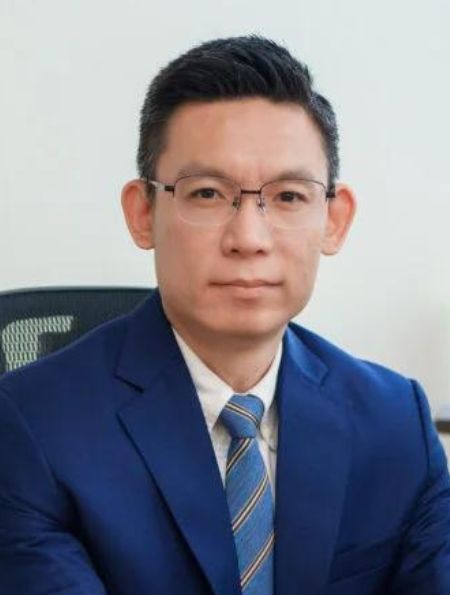
Dr Tan Wee Boon
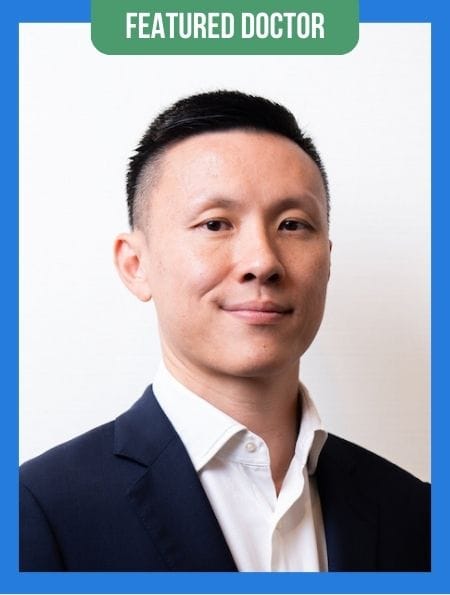
[SG] Featured Doctor
Featured Story
For inquiries or for an introduction to a general surgeon, contact us below.
Frequently Asked Questions (FAQs)
1. Will I lose my voice after thyroid nodule surgery?
There is a small risk of temporary or, very rarely, permanent hoarseness if the nerves supplying the vocal cords are injured. Modern techniques often use intraoperative nerve monitoring.
2. How long is the recovery period?
Most patients stay in hospital for 1–2 nights. Light activity and desk work are usually possible within 1–2 weeks; avoid heavy lifting or strenuous exercise for 3–4 weeks.
3. Will I need lifelong thyroid medication?
After a total thyroidectomy, lifelong thyroid hormone replacement is necessary. After a hemithyroidectomy, the remaining lobe may suffice, but regular monitoring is recommended.
4. Will the surgical scar be visible?
Incisions are typically placed within natural neck creases. Scars fade over time. Minimally invasive or remote-access approaches may be offered for suitable patients.
5. Can I use MediSave to pay for the surgery?
Yes, thyroid surgery is generally claimable under MediSave rules. Confirm eligibility and withdrawal limits with your hospital financial counsello